Why Is Winterizing Your Yamaha Drive2 PTV Critical for Longevity?
Every Yamaha Drive2 PTV owner knows the frustration of a battery that won’t hold a charge or a corroded fuel system come spring. Winterizing your golf cart isn’t just about avoiding a slow start—it’s about protecting a significant investment that can cost anywhere from $7,500 to $12,000 new. When temperatures drop below freezing, the lithium-ion or lead-acid battery pack, electrical connections, and even the body panels face unique stresses. Neglecting these steps can shorten the cart’s lifespan by two to three years, turning a reliable ride into a costly repair project.
In this guide, you’ll learn exactly how to prep your Yamaha Drive2 PTV for storage, whether it’s for three months or the entire off-season. From battery care to tire pressure, each step is backed by real-world experience from owners and technicians who’ve seen it all. Prioritizing safety and storage ensures your cart remains as dependable as the day you drove it off the lot.
How Should You Prepare the Battery for Cold Weather Storage?
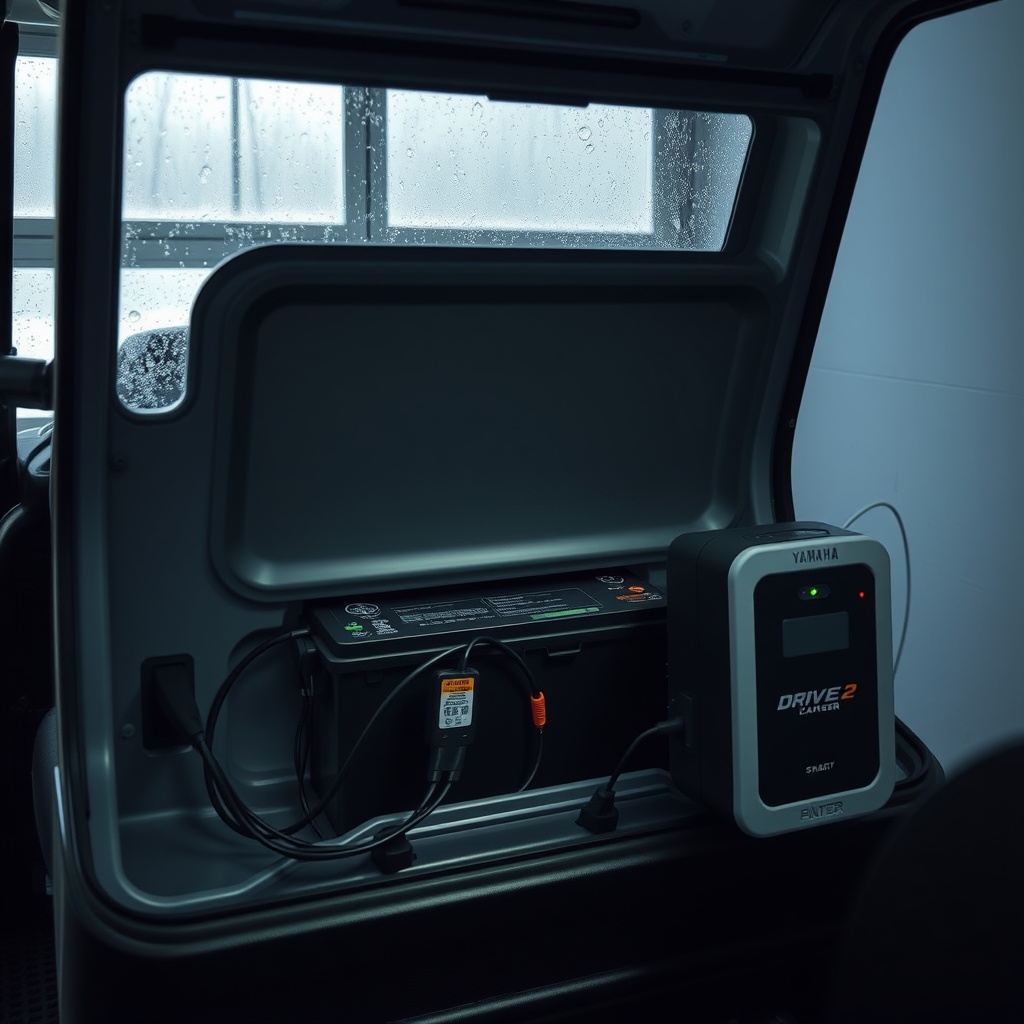
The battery is the heart of your Yamaha Drive2 PTV, and improper storage is the number one cause of premature failure. For standard lead-acid batteries, the key is maintaining a full charge—a discharged battery freezes at 32°F, while a fully charged one can withstand -76°F. Start by cleaning the terminals with a baking soda and water mixture to remove any corrosion, then apply a thin layer of dielectric grease. For owners who’ve upgraded to lithium-ion packs, the process differs: lithium batteries should be stored at around 50% state of charge to prevent stress on the cells.
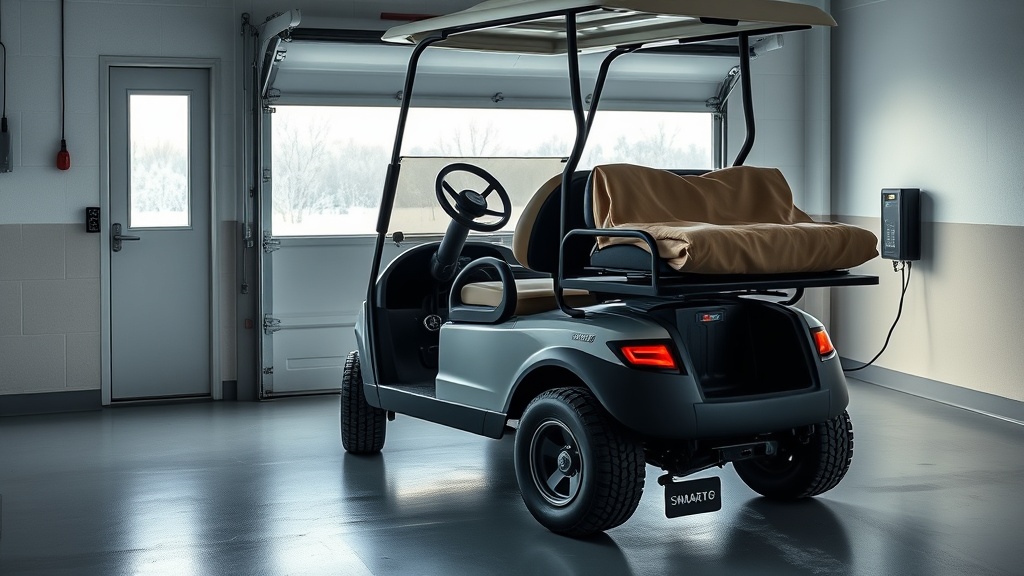
Always disconnect the battery from the cart’s electrical system. For lead-acid models, use a smart charger that automatically switches to trickle charge mode once full. Many owners recommend the Yamaha-specific charger, which costs about $200, or a third-party unit like the NOCO Genius5 at $70. If you’re storing the cart in an unheated garage, consider placing the battery on a wooden block to insulate it from the cold concrete floor. For more details on battery care and overall maintenance, see the Yamaha Drive2 PTV Safety and Storage Tips: Protect Your Investment article, which covers seasonal care in depth.
What Are the Correct Tire Pressure and Surface Preparation Steps?
Tires lose about 1 PSI per month during storage, and a flat-spotted tire can ruin the ride quality. Start by inflating all four tires to the manufacturer’s recommended 20–22 PSI—this prevents the sidewalls from cracking. If your Yamaha Drive2 PTV has aftermarket low-profile tires from a tire upgrade, increase pressure to 24 PSI to support the stiffer sidewalls. Next, consider rotating the tires if you plan to store the cart for more than three months; this distributes weight more evenly and reduces permanent flat spots.
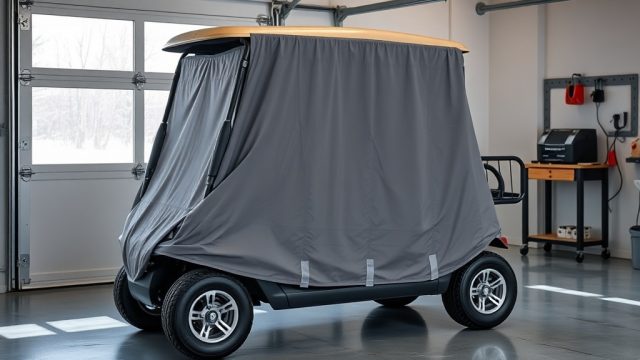
Surface preparation matters equally. Never park a damp cart in storage—dry it thoroughly with a microfiber cloth, paying attention to the undercarriage. Apply a protective wax to the body panels, especially if the cart is stored outdoors under a cover. For indoor storage, a concrete floor that’s sealed with epoxy or a rubber mat prevents moisture wicking. Owners in snowy regions often use a breathable, UV-resistant cover like the Premium WeatherShield ($85) to guard against dust and condensation. If you’ve recently upgraded your steering wheel, double-check that the column is properly lubricated; see the Yamaha Drive2 PTV Steering Wheel Upgrades: Style and Comfort guide for maintenance tips on that component.
How Do You Properly Clean and Lubricate the Drivetrain?
A clean drivetrain is a reliable drivetrain. After a season of use, the Yamaha Drive2 PTV’s differential, axles, and brake cables accumulate dirt, salt, and moisture that accelerate wear. Begin by pressure-washing the undercarriage with a low-pressure setting (1,200 PSI max) and a biodegradable degreaser—avoid spraying directly into electrical connectors. Let everything dry for 24 hours. Then, lubricate the grease fittings on the steering rack, tie rod ends, and leaf spring bushings with a lithium-based grease. The differential oil should be changed every two years, but if you’re storing for a long period, check the level and top off with SAE 30 weight oil.
Pay special attention to the brake system. Flush the brake fluid if it appears dark or has been more than 18 months since the last service. For electric models, inspect the motor controller for dust and tighten any loose terminal connections. If your cart has a custom lift kit from a Yamaha Drive2 PTV customization upgrade, check that all bolts are torqued to spec—68 ft-lbs for control arms and 45 ft-lbs for shock mounts. This prevents squeaks and misalignment when you take it out in spring.
| Component | Low Severity (1–2 months) | Medium Severity (3–5 months) | High Severity (6+ months) |
|---|---|---|---|
| Battery | Full charge, disconnect | Full charge, trickle charger, clean terminals | Remove battery, store inside at 50°F, trickle charger |
| Tires | Inflate to 22 PSI | Inflate + rotate, check for cracks | Inflate + rotate, place on jack stands |
| Drivetrain | Clean undercarriage | Lubricate grease fittings + inspect belts | Change diff oil, repack wheel bearings |
| Brakes | Check fluid level | Flush fluid + inspect pads | Replace pads if worn, bleed system |
| Body & Frame | Wipe down, apply wax | Wax + cover with breathable tarp | Wax, cover, apply anti-rust spray to frame |
What Electrical System Checks Prevent Springtime Surprises?
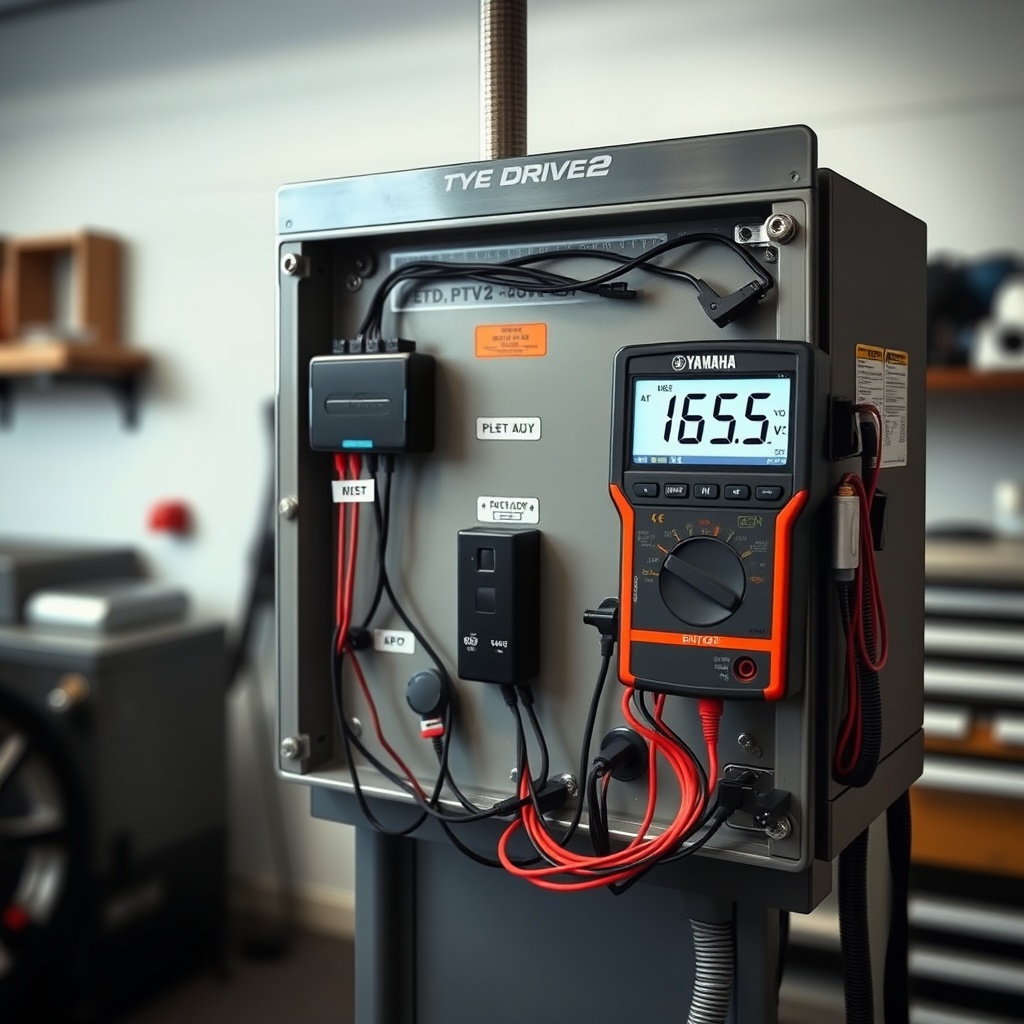
The Yamaha Drive2 PTV electrical system is robust, but stored moisture and temperature swings can cause corrosion on connectors and relays. Start by inspecting the battery tray for rust—if any is present, sand it down and apply a rust-inhibiting primer. For models with a lighting kit or stereo, unplug all accessories from the 12-volt converter to prevent parasitic drain. A multimeter reading of 12.6 volts or higher indicates a healthy battery; anything below 12.4 volts means the battery needs a charge.
Next, check the solenoid and controller for moisture. Use a can of electronic contact cleaner to spray all exposed connectors, then apply a di-electric grease. If your cart has a GPS tracker or USB charger from a Yamaha Drive2 PTV Buying Guide: What to Consider Before Purchase, remove or disconnect those to avoid phantom draws. For safety, disable the run/tow switch and remove the key. This prevents someone from accidentally engaging the motor during storage, which can damage the controller. Store the key in a known place—many owners use a magnetic box attached to the cart’s frame.
Where Should You Store the Yamaha Drive2 PTV for Best Results?
Storage location dramatically impacts the longevity of your golf cart. Ideal conditions are a climate-controlled garage (55–75°F, low humidity). If that’s not an option, a dry shed or carport with a vapor barrier on the floor works well. Avoid storing the cart directly on grass, dirt, or gravel, as moisture wicks up and rusts the frame. For outdoor storage, always use a high-quality cover rated for snow loads—such as the Classic Accessories StormPro ($130) or Yamaha OEM cover ($180). Ensure the cover is breathable; plastic tarps trap condensation and cause mold.
Position the cart so the brakes are released—leave the parking brake off and chock the wheels instead. This prevents the brake pads from welding to the drums. If you live in an area with frequent freeze-thaw cycles, consider moving the cart to a sheltered spot and placing a dehumidifier nearby. Owners in coastal regions also benefit from rinsing the cart with fresh water before storage to remove salt residue. For more detailed location strategies, see the Yamaha Drive2 PTV Buying Guide: Essential Factors to Consider, which includes storage recommendations for different climates.
What Owners Say About Winterizing Their Yamaha Drive2 PTV
Real-world experiences from Yamaha Drive2 PTV owners offer valuable lessons. John from Minnesota writes, “I forgot to disconnect the battery last winter. Came spring, the battery was dead and the charger wouldn’t recondition it. Cost me $350 for a new one. Now I use a smart charger all winter.” Sarah, a Florida owner, notes that even in warm climates, humidity causes corrosion: “I spray all metal parts with WD-40 after cleaning. No rust in three years.”
Mike from Colorado emphasizes tire care: “After two months on jack stands, my tires still looked new. My neighbor’s cart had flat spots from just parking on concrete. I’m a convert.” Another common tip comes from Tom, who runs a golf cart rental business: “We always cover the vents to prevent mice from nesting. A bit of steel wool in the air intake saved us five hours of cleaning each spring.” These insights confirm that proactive steps—costing less than $100 total—can prevent thousands in repairs.
Frequently Asked Questions
Q1: Can I store my Yamaha Drive2 PTV outdoors in winter without a cover?
A1: Not recommended. Even with a weatherproof cover, outdoor storage exposes the cart to snow, ice, and UV damage. Always use a breathable, UV-resistant cover and chock the wheels.
Q2: How often should I check the battery during storage?
A2: For lead-acid batteries, check voltage every 30 days. If it drops below 12.4 volts, recharge immediately. Lithium batteries can go 60 days without monitoring if stored at 50% charge.
Q3: Is it okay to leave the parking brake engaged during storage?
A3: No. Leave the parking brake off and use wheel chocks. Brake pads can weld to drums or rotors from prolonged pressure, especially in humid conditions.
Q4: Do I need to change the oil in a gas Yamaha Drive2 PTV before storage?
A4: Yes. Change the oil and filter before storage to remove acidic contaminants. Then run the engine briefly to circulate the new oil, and add fuel stabilizer to the tank.
Q5: Can I use a regular car charger on my Yamaha Drive2 PTV battery?
A5: Only if it’s a smart charger with a low-amp trickle mode (1–2 amps). Standard car chargers can overcharge and damage golf cart batteries. Use a charger designed for deep-cycle batteries.
Q6: Should I inflate tires more for storage?
A6: Increase to the maximum rated pressure (usually 22–24 PSI) to prevent flat spots. For long-term storage over six months, consider raising the cart on jack stands.