Yamaha Drive2 PTV Customization: Top 10 Upgrades for Style and Performance
The Yamaha Drive2 PTV is already a benchmark in the personal transport vehicle segment, combining rugged reliability with surprising versatility. However, owners quickly discover that with the right upgrades, this platform transforms from a trustworthy hauler into a personalized expression of style and enhanced performance. From assertive street presence to silky-smooth rides over rough terrain, the customization possibilities are nearly endless.
Whether you’re navigating a gated community, a sprawling golf course, or a private estate, the right modifications can elevate your Drive2 PTV experience. This guide breaks down the ten most impactful upgrades, balancing aesthetics with tangible performance gains. We’ll cover essential areas like suspension, wheels, lighting, and powertrain tweaks, ensuring your cart stands out and performs at its peak.
What Are the Must-Have Wheel and Tire Upgrades for the Yamaha Drive2 PTV?
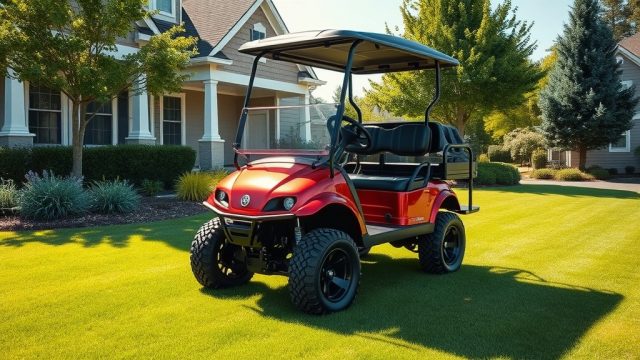
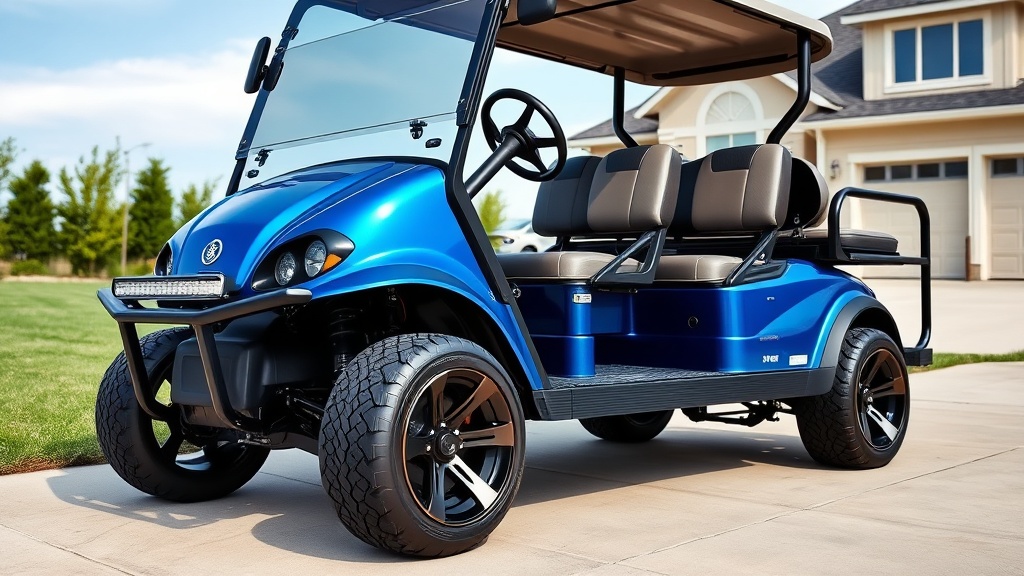
The most immediate visual and functional transformation for any Yamaha Drive2 PTV comes from swapping the stock wheels and tires. Factory tires are designed for turf traction and minimal rolling resistance, but they lack the aggressive stance and grip needed for diverse surfaces. Upgrading to a 14-inch or 15-inch alloy wheel wrapped in a low-profile street tire immediately changes the cart’s personality.
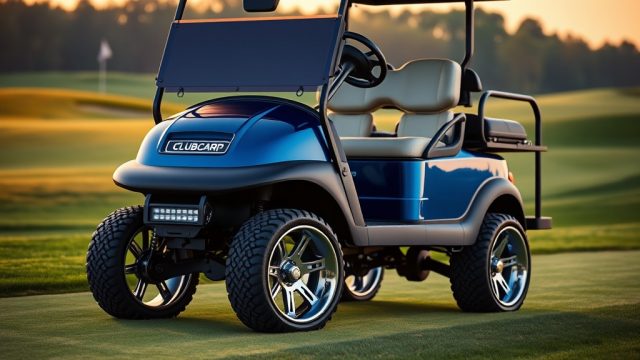
For a sportier look, consider black or machined-finish wheels with an offset that pushes the tires flush with the wheel wells. This not only looks more aggressive but also improves stability at higher speeds. A popular choice is the “Dune” style wheel in a 14×7 inch size, paired with 205/50-14 touring tires. This combination provides a smoother ride on paved roads and better handling in wet conditions. Expect to invest between £800 and £1,200 for a quality set of four wheels and tires, including mounting and balancing.
How Can Suspension Upgrades Improve Ride Quality and Control?
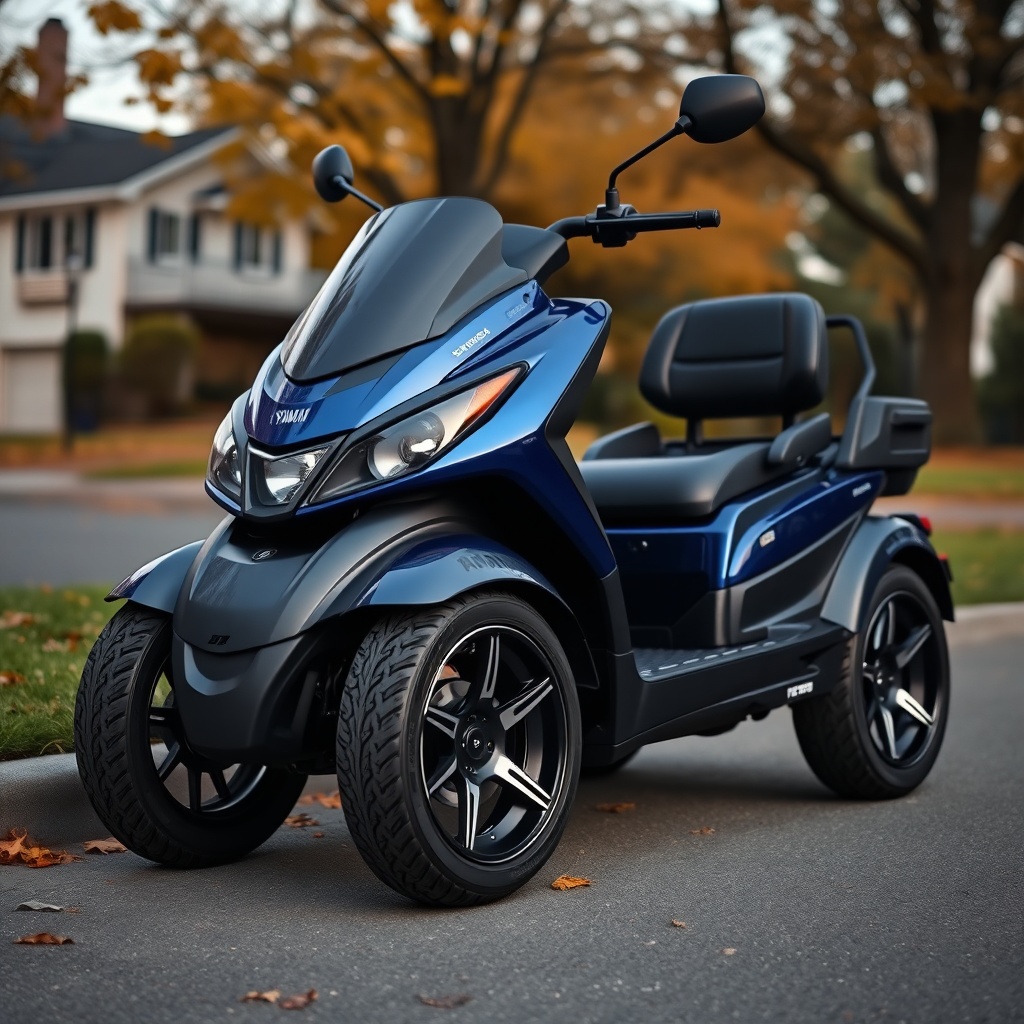
Stock suspension on the Drive2 PTV is adequate for smooth pathways but can feel bouncy and uncontrolled over bumps or when carrying a heavy load. Upgrading the suspension is one of the most effective performance modifications you can make. A coilover conversion kit from brands like Jakes or All Sports replaces the original leaf springs with adjustable coil springs and shocks.
This provides several benefits: adjustable ride height (lowering for stability or raising for off-road clearance), progressive spring rates that absorb small bumps yet resist bottoming out, and improved damping control for less body roll in corners. For a street-focused build, a 2-inch drop with a stiffer damping setting is ideal. For a more versatile setup, consider a 2-inch lift with heavy-duty shocks, especially if you plan to add weight with rear seats or cargo boxes. A quality suspension kit costs between £400 and £700. For a deeper dive into specific suspension options, read our guide on Yamaha Drive2 PTV Suspension Upgrades: Enhance Comfort and Control.
What Lighting Upgrades Dramatically Improve Visibility and Style?
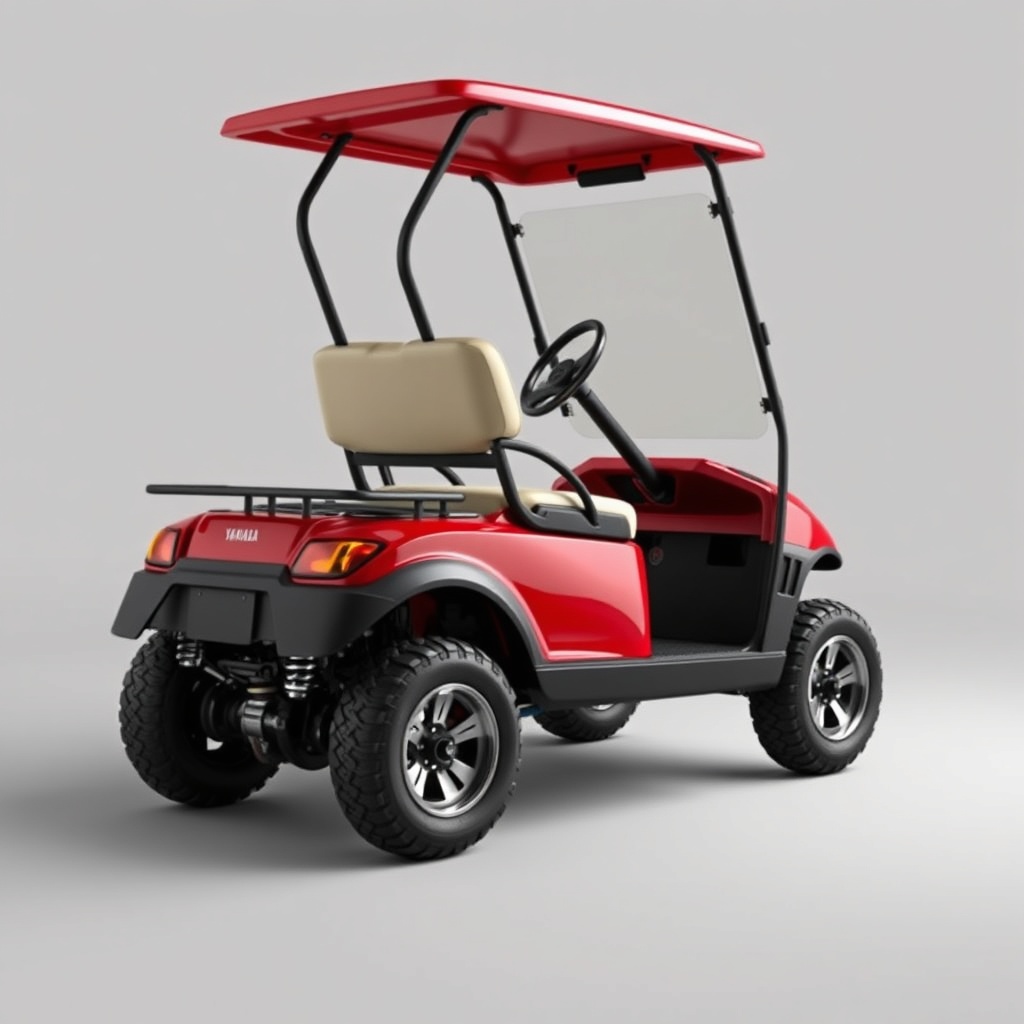
Factory lighting on the Yamaha Drive2 PTV is functional but underwhelming, especially for nighttime use in unlit areas. An LED headlight conversion is the single most practical upgrade. Complete LED headlight assemblies from companies like MadJax or Yamaha’s own accessory line offer a clean, modern look with vastly superior output. These units often feature integrated turn signals and daytime running lights (DRLs) that mimic automotive-grade lighting.
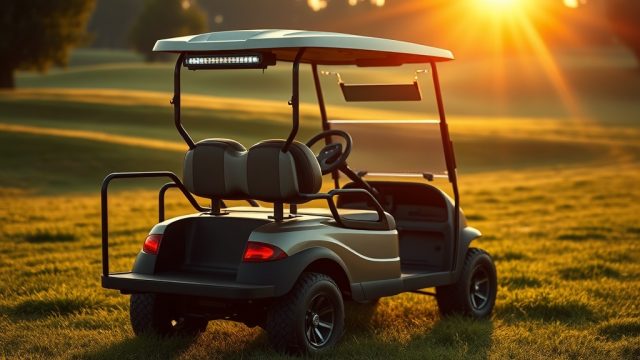
Beyond headlights, consider adding a light bar or auxiliary fog lights mounted on the front bumper or roof. A 12-inch LED light bar offers flood and spot beam patterns, illuminating the trail ahead for over 200 meters. For the rear, LED tail lights with sequential turn signals and brake lights ensure you are seen. Don’t forget interior LED strips for the floorboards or under-seat lighting. A complete lighting overhaul—headlights, tail lights, and a light bar—typically runs between £250 and £500. Always ensure wiring is waterproof and properly fused. Electrical upgrades can be tricky; if you encounter issues, our Yamaha Drive2 PTV Troubleshooting: Common Electrical Issues and Fixes guide can help.
What Interior Comfort and Storage Upgrades Are Worth the Investment?
The cabin of the Drive2 PTV is where you spend all your time, so upgrading comfort and storage transforms the daily experience. Start with a premium marine-grade vinyl seat cover set. These are UV-resistant, easy to clean, and come in two-tone color schemes to match your cart’s paint. A bolster-style front seat with added lumbar support greatly improves long rides.
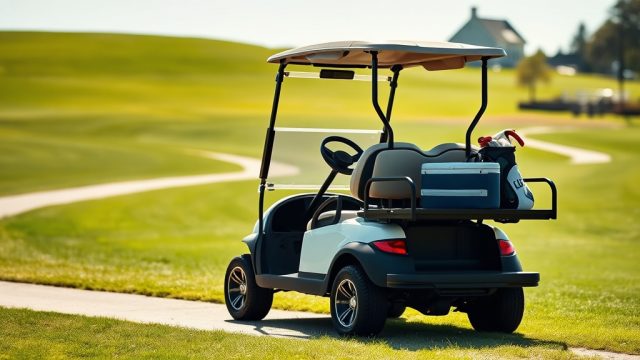
Storage is equally critical. A lockable glove box or center console provides a secure place for phones, wallets, and keys. For the rear (if you have a rear seat kit), add a folding rear seat cargo bag or a lockable trunk box underneath. A rear seat with bedliner coating doubles as a cargo area. For families or utility use, a custom-fit floor mat set made of heavy rubber traps mud and debris. Expect to pay around £150 to £400 for seat covers, £100 for a console, and £200 for a storage trunk. If you’re choosing between gas and electric, our comparison Yamaha Drive2 PTV Gas vs Electric: Which Powertrain Suits You? will help you decide based on usage.
What Performance Upgrades Increase Speed and Torque?
For those who crave a bit more urgency from their Drive2 PTV, performance upgrades unlock hidden potential. For electric models, the most effective upgrade is installing a high-speed motor controller. The factory controller limits top speed to around 12 mph (19 km/h). An aftermarket programmable controller, like those from Navitas or Alltrax, can safely raise the speed to 20-25 mph (32-40 km/h) while improving throttle response and torque for hills.
For gas-powered models, upgrading the clutch weights to a lighter profile or installing a performance exhaust system (such as a stainless steel tuned pipe) adds 2-3 mph and a throatier exhaust note. A high-flow air filter also helps the engine breathe better. For electric carts, you may also consider a lithium battery conversion, which reduces weight by over 80 pounds and provides consistent power delivery. However, this is a larger investment, often £1,000 to £2,000. Proper battery maintenance is crucial for electric models; see our tips on Yamaha Drive2 PTV Battery Charging Tips: Optimize Performance and Longevity.
The table below summarizes the key performance upgrades and their expected outcomes:
| Upgrade Component | Typical Cost (GBP) | Performance Gain | Best For |
|---|---|---|---|
| High-Speed Controller (Electric) | £500 – £1,000 | +8 to +13 mph speed; better torque | Electric Drive2 PTV owners |
| Lighter Clutch Weights (Gas) | £100 – £200 | +2 to +3 mph top speed; quicker acceleration | Gas Drive2 PTV owners |
| Performance Exhaust (Gas) | £250 – £400 | +2 mph; improved throttle response; aggressive sound | Gas Drive2 PTV owners |
| Lithium Battery Conversion (Electric) | £1,000 – £2,000 | Reduced weight; instant torque; longer range | Electric Drive2 PTV owners (heavy users) |
| High-Flow Air Filter (Gas) | £50 – £100 | Marginal power gain; better engine breathing | Gas Drive2 PTV owners (budget upgrade) |
What Owners Say About Their Customized Yamaha Drive2 PTVs
Owners consistently report that customization transforms their Drive2 PTV from a utility vehicle into a source of pride. John, a retiree from Florida, shares: “I installed a 4-inch lift with 22-inch tires and a light bar. Now I can cruise the beach dunes and the neighborhood with no issues. It’s a total head-turner.” Sarah, who uses her cart for a large horse farm, notes: “Adding a rear seat with a cargo bed was a game-changer. I can haul feed bags or take two workers with me. The factory suspension was too soft, but the heavy-duty shocks solved that.”
Another common theme is the satisfaction of personalizing the interior. Mike, a frequent golfer, says: “I put in custom two-tone leather seats and a Bluetooth stereo system. Now I look forward to getting to the course early just to sit in it. The factory seats were plastic-y and uncomfortable.” Overall, the consensus is that the Drive2 PTV is a fantastic platform that rewards thoughtful upgrades, with owners appreciating the balance of increased capability and enhanced aesthetics.
Frequently Asked Questions About Yamaha Drive2 PTV Customization
1. Will upgrading the wheels and tires void my warranty?
Generally, yes, if the modifications directly cause a failure (e.g., larger tires stressing the drivetrain). However, many dealers are customization-friendly. It’s best to check with your Yamaha dealer before installing major modifications. Stick to popular sizes like 14-inch wheels to minimize drivetrain risk.
2. How much does a full customization typically cost?
A comprehensive build with wheels, suspension, lighting, seats, and performance controller can range from £2,000 to £5,000 or more. However, you can start with a single upgrade like wheels (£800) and build over time. The key is to prioritize what matters most for your use case.
3. Can I install a sound system in my Drive2 PTV?
Absolutely. Many owners install a marine-grade Bluetooth head unit with weatherproof speakers. You can mount speakers in the dash or overhead console. Be sure to use a dedicated 12V power line with an in-line fuse. A basic system costs around £150 to £400.
4. Is it legal to drive a modified Drive2 PTV on public roads?
Regulations vary by location. In most areas, modified PTVs need a street-legal kit (head/tail lights, turn signals, horn, rearview mirror) and must not exceed local speed limits (often 25 mph). Always check your local Department of Motor Vehicles (DMV) guidelines.
5. What is the easiest DIY upgrade for a beginner?
Installing LED headlights is straightforward and provides immediate safety and style benefits. Many kits are plug-and-play, requiring only basic hand tools. Another easy upgrade is a steering wheel replacement—swap the stock wheel for a smaller diameter sports wheel for better feel.
6. Will a lift kit affect the ride quality?
Yes, a lift kit can change ride quality. A high-quality spindle or A-arm lift (not a budget block lift) can actually improve ride quality by providing better geometry and shock clearance. However, large lifts combined with stiff tires may produce a firmer ride. A 2-inch lift is usually the best compromise for street and light off-road use.