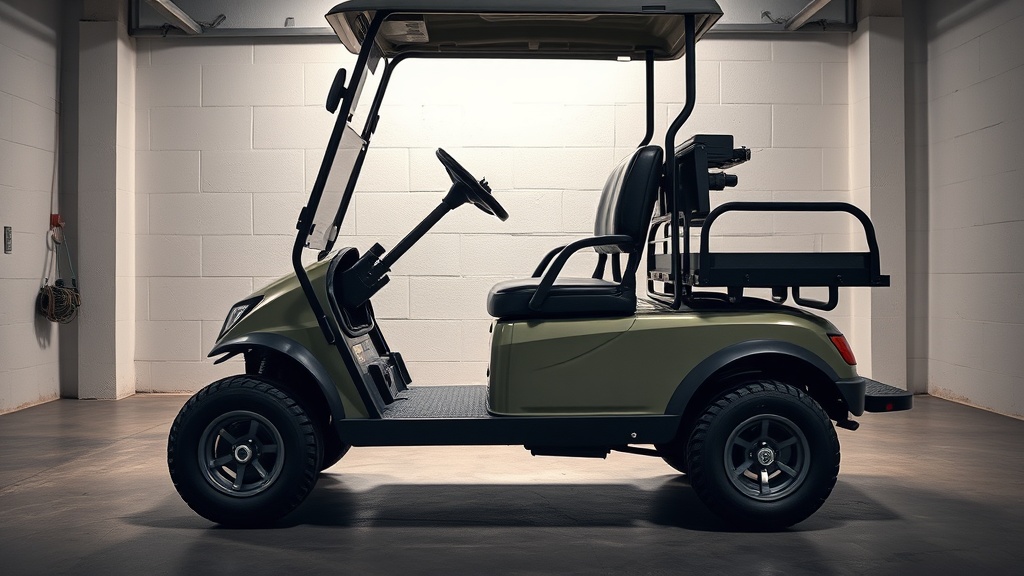
Why Is Safe Storage Critical for Your Yamaha Drive2 PTV?
Owning a Yamaha Drive2 PTV represents a significant investment — typically ranging from $8,500 to $12,000 USD for a pre-owned model in good condition. Proper safety and storage practices are the most cost-effective ways to extend its lifespan and maintain peak performance. This guide covers essential tips every owner should know to protect their vehicle from weather, theft, and mechanical wear.
Whether you use your Drive2 PTV for golf, neighborhood commuting, or light utility work, a few simple habits can save you hundreds in repairs. Let’s explore the key areas: storage environment, battery care, theft prevention, and seasonal maintenance.
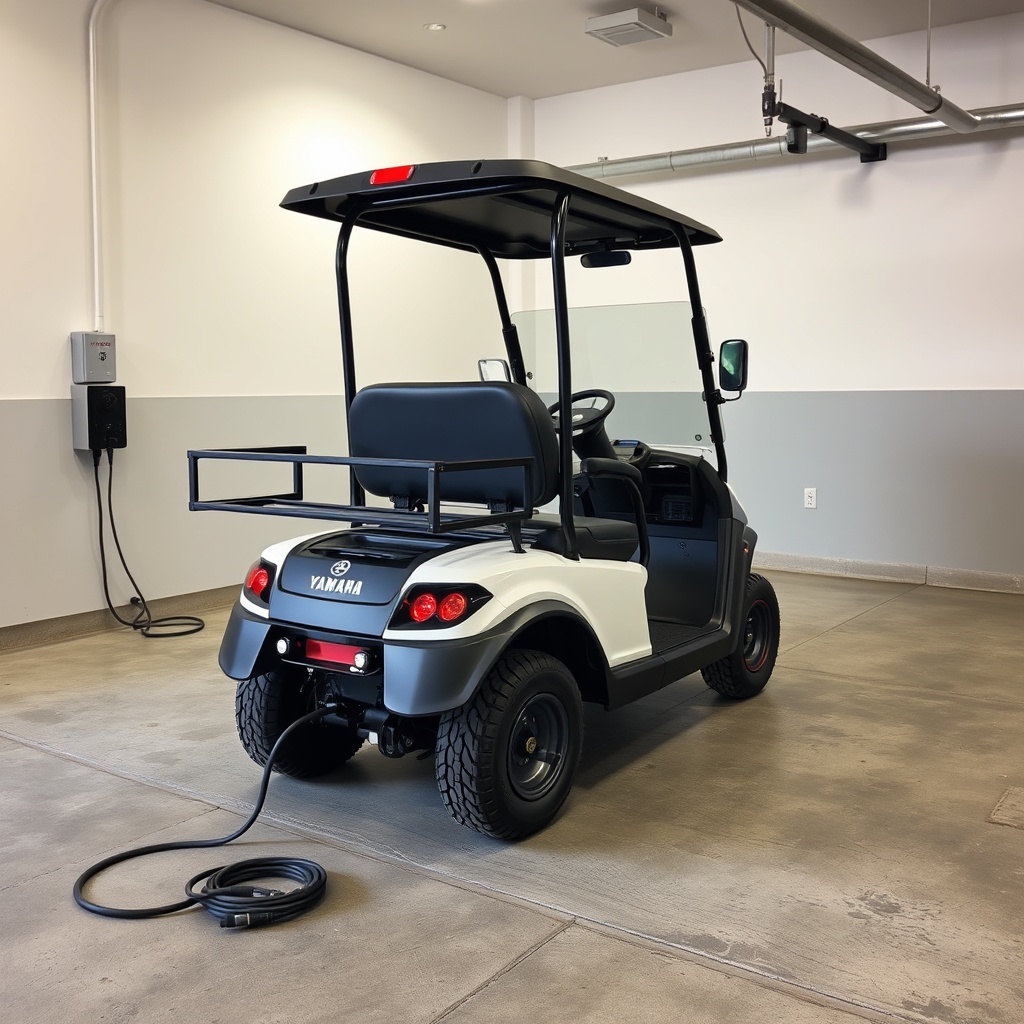
Should You Store Your Yamaha Drive2 PTV Indoors or Outdoors?
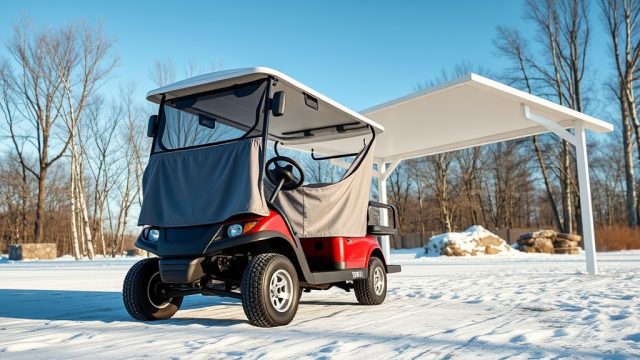
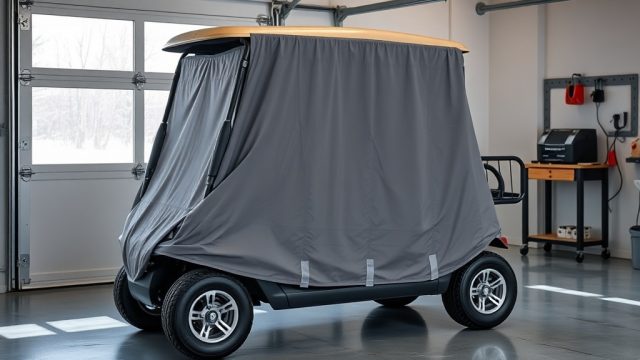
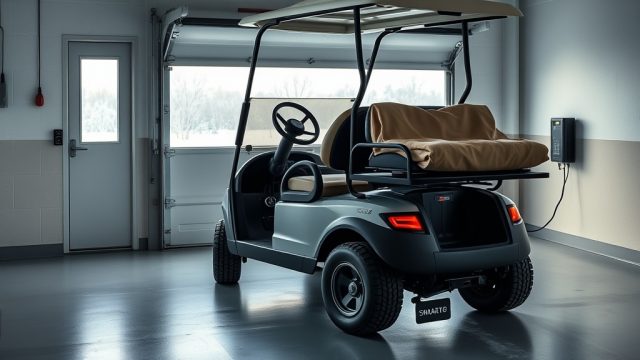
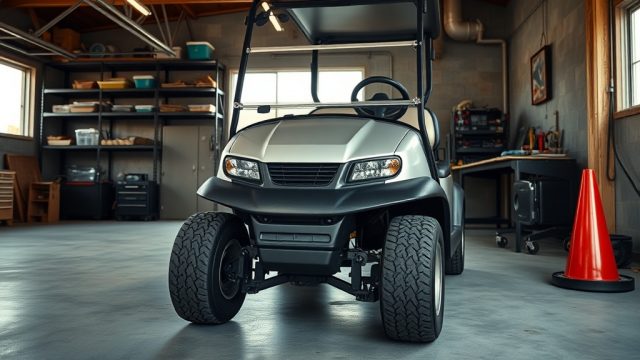
Indoor storage is always the first choice. A garage, shed, or dedicated golf cart shelter protects the Driv2 PTV from rain, snow, UV damage, and temperature extremes. When that’s not possible, a high-quality waterproof cover rated for golf carts is a must — expect to spend $80 to $150 USD for a durable model.
If you must store outside, choose a shaded spot and avoid areas where leaves or debris can accumulate. Elevate the cart slightly using wheel chocks (about $25 USD) to prevent flat spots on tires after prolonged sitting.
How Do You Prepare the Battery for Long-Term Storage?
The battery is the most expensive component on an electric Yamaha Drive2 PTV — a replacement costs between $900 and $1,500 USD. Preparing it correctly prevents sulfation and extends life by 2–3 years. Follow these steps:
- Fully charge the battery before storage. A 100% charge prevents lead sulfate crystals from forming.
- Disconnect the negative terminal to eliminate parasitic drain. Use a terminal puller ($12 USD) to avoid damage.
- Use a smart battery maintainer (around $60–$100 USD) that cycles automatically. Never use a standard car charger — it can overheat the battery.
- Check water levels in flooded lead-acid batteries monthly. Fill with distilled water only; do not overfill.
For detailed charging protocols, see our Yamaha Drive2 PTV Battery Charging Tips: Optimize Performance and Longevity guide.
What Are the Essential Safety Checks Before Each Use?
Before driving your Yamaha Drive2 PTV, a quick 2-minute inspection prevents accidents and breakdowns:
- Brakes: Press the pedal — it should feel firm. If it sinks to the floor, inspect hydraulic fluid (DOT 3 or 4, about $15 USD per liter).
- Tires: Check pressure using a gauge (ideal: 18–22 psi). Uneven wear signals misalignment; visit a shop for adjustment (~$50–$100 USD).
- Lights and signals: Test headlights, taillights, and turn indicators. Replace a burned-out bulb for about $8–$15 USD.
- Seat belt: On PTV models with belts, verify the buckle clicks securely and the webbing isn’t frayed.
If you experience brake or steering issues, our Yamaha Drive2 PTV Troubleshooting: Common Electrical Issues and Fixes article can help diagnose problems.
How to Secure Your Yamaha Drive2 PTV Against Theft?
Golf carts are tempting targets. A Yamaha Drive2 PTV with basic security commands a resale value of $6,500–$9,000 USD, so invest in these measures:
- Steering wheel lock: A club-style lock costs $25–$40 USD and deters casual thieves.
- GPS tracker: Devices like the LandAirSea 54 (about $50–$80 USD, plus optional monthly subscription) let you monitor location via smartphone.
- Kill switch: A hidden toggle switch installed by a dealer ($100–$200 USD) cuts power when flipped.
- Locking key storage: Never leave keys in the cart. Use a magnetic box ($10–$15 USD) placed under the seat.
For custom security upgrades, check the Yamaha Drive2 PTV Customization: Top 10 Upgrades for Style and Performance list.
Seasonal Storage Table: Best Practices by Season
| Season | Storage Action | Estimated Cost (USD) | Frequency |
|---|---|---|---|
| Winter (colder than 40°F) | Store indoors with battery maintainer; inflate tires to 25 psi to prevent flat spots; disconnect battery terminals | $60–$160 | Before first freeze |
| Spring/Summer | Check tire pressure weekly; clean battery terminals monthly; inspect brake fluid level | $10–$30 | Before each trip |
| Fall | Seal any exposed wires with dielectric grease ($12 USD tube); apply anti-rust spray to undercarriage ($15 USD) | $25–$40 | Once |
| Rainy season | Use waterproof cover; check for water pooling under floor mats; verify drain holes are clear | $80–$150 | After each heavy rain |
Note: Desert climates require extra UV protection — a UV-resistant spray for plastic trim costs around $18 USD and should be applied every 3 months.
What Owners Say About Yamaha Drive2 PTV Storage and Safety?
Real owners from golf course communities and private users share common themes:
- @GreenFairwayTom: “I store my 2021 Drive2 PTV in a shed with a battery maintainer. After three winters, the original battery still holds 90% capacity — saved me $1,200.”
- @LindaFromArizona: “Desert heat kills batteries fast. I installed a heat shield under the seat (about $45 USD) and always park in shade. My cart runs like new.”
- @MikeGolfer2020: “Had a near hit-and-run. After installing a steering lock and GPS tracker, I feel much safer leaving it at the course. Worth every penny.”
- @PinehurstRentalGuy: “We have 12 Drive2 PTVs in fleet. Using the tire pressure table above cut flat-spot complaints from 10 per season to zero.”
Many owners emphasize that consistent attention is easier than repair. For a deeper look at performance upgrades, read our Yamaha Drive2 PTV Suspension Upgrades: Enhance Comfort and Control article.
Frequently Asked Questions
1. Can I leave my Yamaha Drive2 PTV plugged in all winter?
No — a standard charger will overcharge and damage the battery. Use a smart maintainer that switches to float mode, or disconnect after full charge and recharge monthly.
2. What should I do if my cart won’t start after storage?
Check the battery charge first. If it’s low, charge with a maintainer. If the charge is fine, inspect the solenoid and key switch. See our Troubleshooting Electrical Issues for details.
3. How do I clean battery terminals to prevent corrosion?
Mix 1 tablespoon baking soda with 1 cup water, scrub with a brush ($8 USD), rinse with distilled water, dry, then apply petroleum jelly. Do this every 3 months.
4. Is a cover enough for outdoor storage in Florida?
Florida’s humidity can cause mold under covers. Use a breathable cover ($120–$150 USD) and add a moisture-absorbing pack ($10 USD) under the seat. Check for mildew monthly.
5. Should I lift the cart off blocks for storage?
Only if storing 6+ months. Use jack stands rated for 1,000 lbs (about $40 USD per pair) under the frame. Never use bricks or wood — they can slip.
6. What’s the best security upgrade for a used Drive2 PTV?
Start with a steering lock ($30 USD) and a kill switch ($150 USD installed). A GPS tracker is next if parking in public areas. For more ideas, browse our Top 10 Customization Upgrades.