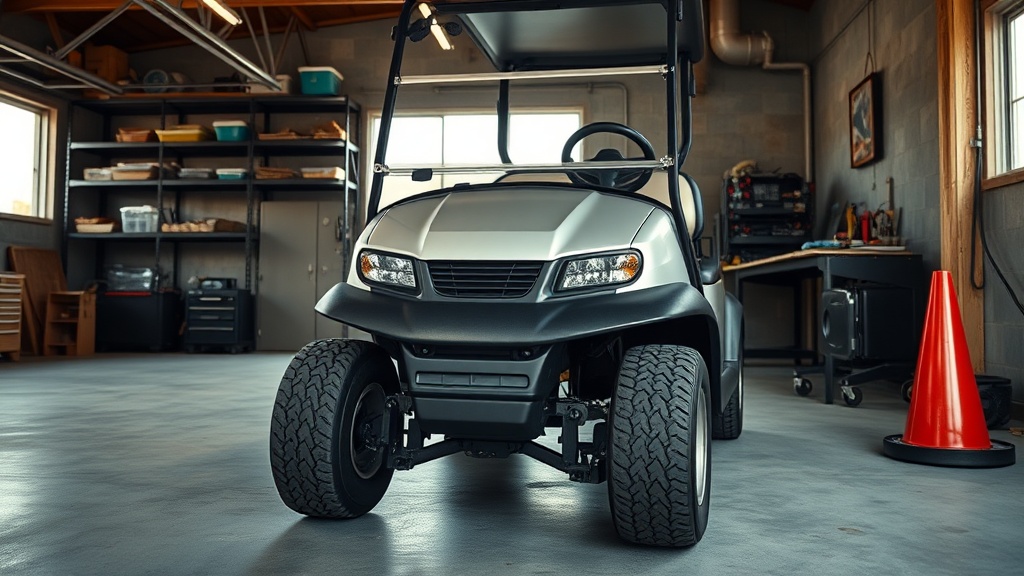
Why Is Proper Storage Essential for the Club Car Onward HP?
The Club Car Onward HP is a premium investment for golf enthusiasts and property owners alike, combining luxury with high-performance electric or gas powertrains. Proper storage and safety practices directly impact the vehicle’s lifespan, from preserving the battery pack on electric models to preventing corrosion on gas-powered variants. Neglecting these protocols can lead to expensive repairs, reduced range, and safety hazards—especially for lithium-ion systems common in newer Onward HP units.
By following manufacturer-recommended storage routines, owners can maintain peak torque output and smooth acceleration for years. This guide covers the essential safety and storage strategies, including climate considerations, security measures, and seasonal maintenance, ensuring your Club Car Onward HP remains a reliable partner on residential communities and golf courses.
What Are the Top Safety Risks When Storing the Club Car Onward HP?
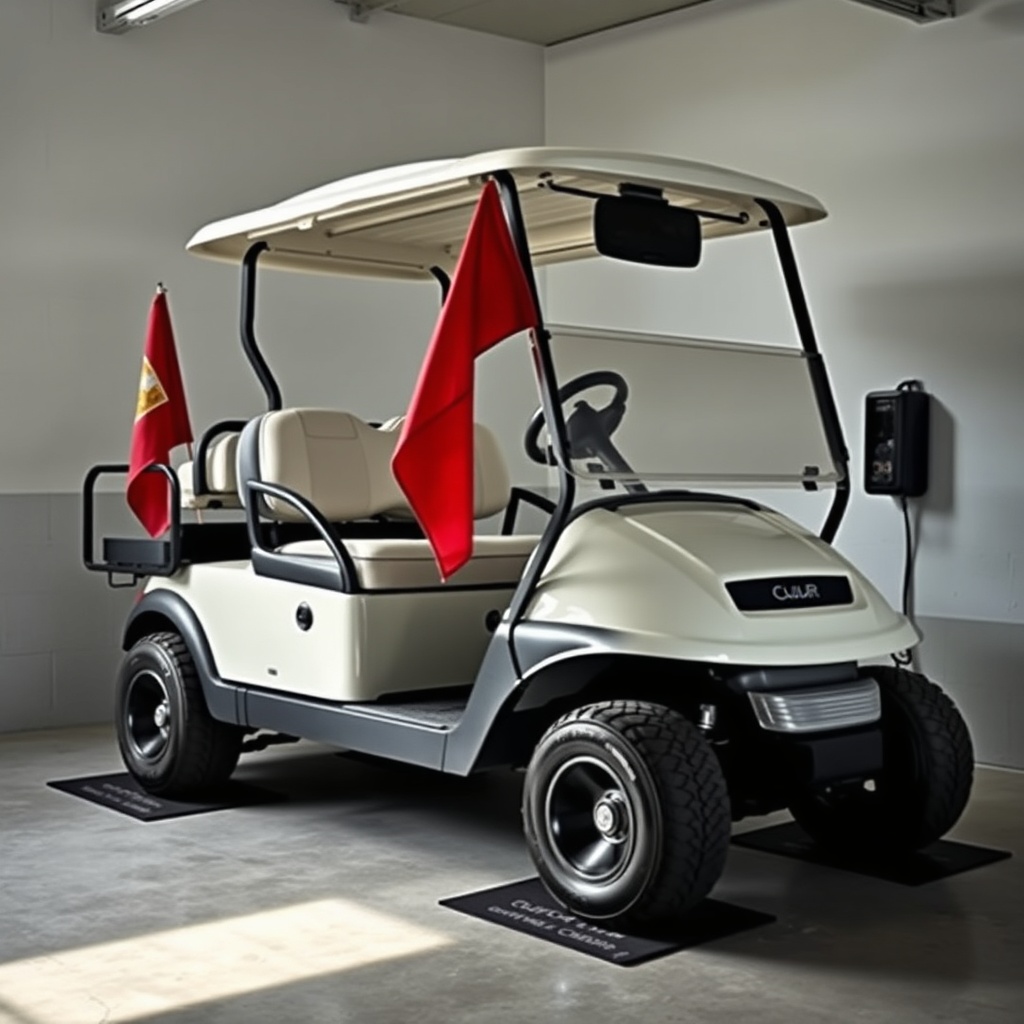
Storing a golf cart improperly can create fire hazards, electrical malfunctions, or mechanical deterioration. The Club Car Onward HP electric model uses high-voltage lithium-ion batteries that require specific environmental conditions. Gas models carry combustible fuel and produce flammable vapors—storage in enclosed spaces without ventilation is dangerous. Common risks include:
- Battery overcharge and thermal runaway: Leaving the charger plugged indefinitely with lithium packs can cause swelling, fires, or cell failure.
- Fuel system leaks: Gasoline components can degrade in hot garages, leading to vapor buildup near ignition sources.
- Tire dry rot: Flat spots and sidewall cracks occur when the cart sits on concrete for months without movement.
- Pest intrusion: Wires, air intakes, and floor mats attract rodents that chew insulation, causing short circuits.
- Unintentional movement: If the parking brake fails or is dislodged, a stored cart can roll into obstacles or people.
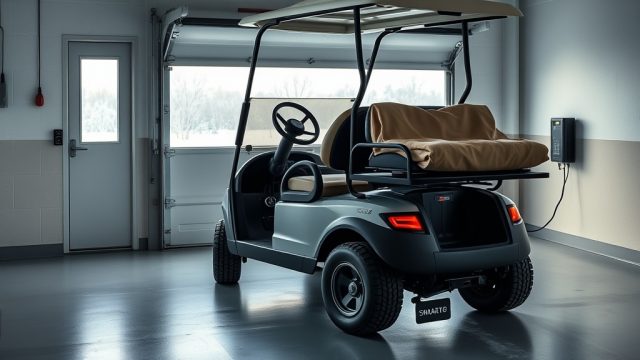
Always store the Club Car Onward HP in a well-ventilated, temperature-controlled location. Use wheel chocks for added security and never store gasoline cans near the cart. For electric versions, follow the battery charging tips to avoid deep discharges that damage the battery management system.
How Should You Prepare the Club Car Onward HP for Long-Term Storage?
Preparing the Onward HP for storage involves more than just parking it. A systematic approach prevents corrosion, battery drain, and mechanical binding. Use the checklist below for storage periods exceeding one month:
| Component | Action | Severity if Ignored |
|---|---|---|
| Battery (electric) | Charge to 50–60% (not full), disconnect negative terminal | High — risk of fire or irreversible damage |
| Fuel system (gas) | Add fuel stabilizer, run engine 5 minutes, fill tank to prevent condensation | Medium — gumming and moisture in carburetor |
| Tires | Inflate to max PSI, place on cardboard or carpet to avoid concrete moisture | Medium — flat spots and cracking within 2 months |
| Paint and chassis | Wash thoroughly, apply wax, treat rubber seals with UV protectant | Low — fading and oxidation |
| Interior | Clean with mild soap, leave seat folded or elevated to prevent moisture trapping | Low — mildew and odor |
For electric models, the battery management system (BMS) draws a small current even when off—disconnecting the terminal is crucial. Gas owners should change the oil before storage to remove acidic impurities. These steps align with upgrades covered in the steering wheel upgrades guide, ensuring your cart remains comfortable and functional when it returns to use.
What Climate Factors Affect Club Car Onward HP Storage?
Extreme temperatures and humidity accelerate component wear. Lithium-ion batteries in the Onward HP electric version suffer capacity loss above 95°F (35°C) and below 32°F (0°C). In hot climates, store the cart in a shaded structure or climate-controlled garage. Direct sunlight degrades the UV-coated dashboard and seat vinyl within weeks. For cold climates, prevent battery freezing by maintaining a partial charge—lithium packs can be permanently damaged if fully discharged and frozen.
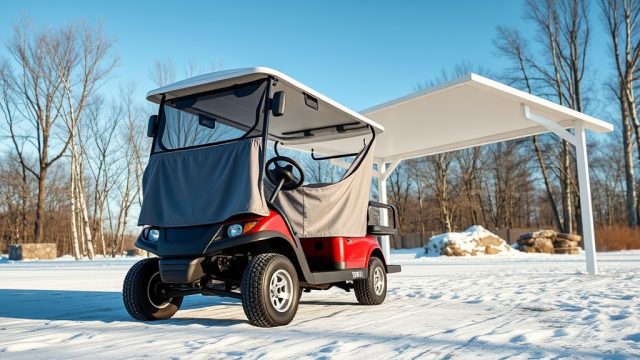
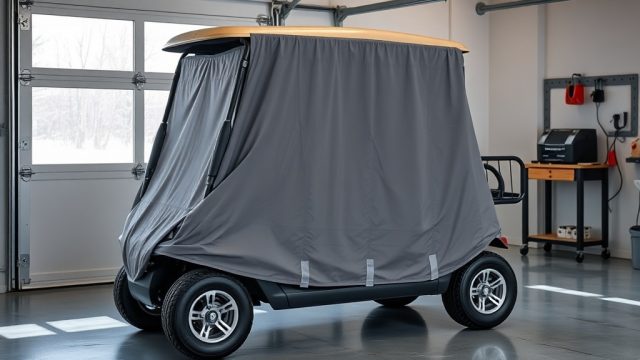
Gas models face carburetor icing in near-freezing conditions, while rubber seals harden and crack. Use a dehumidifier in humid regions to prevent electrical contact corrosion. If outdoor storage is unavoidable, invest in a breathable waterproof cover (not plastic, which traps moisture). The gear in top upgrades includes weather-resistant seat covers and battery insulation kits that extend storage viability.
How Do You Secure the Club Car Onward HP During Storage to Prevent Theft?
Golf carts are easy targets in quiet neighborhoods or country club lots. The Club Car Onward HP’s keyed ignition offers basic protection, but upgrading to a steering wheel lock or GPS tracker is recommended. For storage in sheds or garages, install a ground anchor and chain that loops around the front axle. Never leave the cart with the keys in the ignition or stored overhead—documented thefts occur even from locked golf course bins.
For extra security, remove the spark plugs (gas) or battery (electric) when storing for more than two months. This not only prevents theft but also deters unauthorized operation. Consider adding a hidden kill switch—instructions for this can be found alongside the custom steering wheel installation. Always record the vehicle identification number (VIN) and take photos for insurance claims.
What Preventive Maintenance Should Be Done After Storage on the Club Car Onward HP?
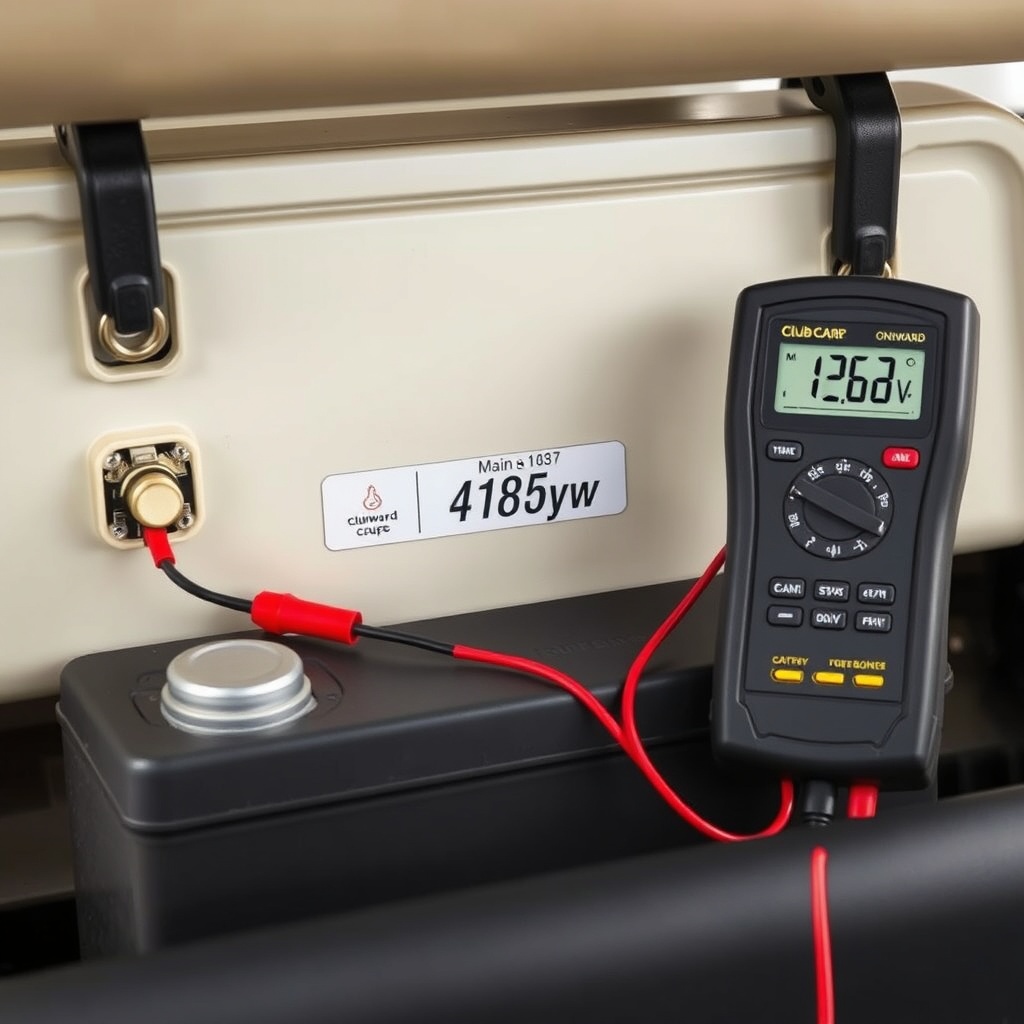
Bringing the Onward HP back to active use requires a careful inspection. For gas models, check the fuel for contamination—if it smells sour, drain and refill with fresh gasoline. For electric versions, reconnect the battery terminal and verify the voltage—a reading below 12.0V on the auxiliary battery indicates replacement. Perform these steps before driving:
- Brake system: Test pedal travel and parking brake engagement. Moisture can cause pads to glaze.
- Tires: Inspect for cracks or bulges; reinflate to manufacturer specs (18–22 psi).
- Electrical: Turn on lights and horn to confirm no rodent damage to wires.
- Undercarriage: Look for rust or oil leaks on the differential and motor.
- Cool-down test: Drive a short loop and listen for unusual noises—this is covered in the engine troubleshooting guide.
Always take the cart out of storage on a low-speed loop first. If the cart has been idle over three months, flush the brake fluid to prevent corrosion. Following these steps ensures the Club Car Onward HP maintains its responsive handling and quiet operation without unexpected breakdowns.
What Owners Say About Club Car Onward HP Storage and Safety
Longtime owner Mark T. from Arizona notes: “After storing my 2023 Onward HP electric for four months, I disconnected the battery and left the charger unplugged. It started right up with full range—zero issues. I also added a steering wheel lock and a cover after reading about thefts in my area.” Jennifer R., a golf course manager in Florida, adds: “We store 15 Onward HPs in a ventilated shed. Humidity was killing our lithium packs until we installed a dehumidifier and used the 50% charge rule. Now they last two seasons longer.”
Several owners emphasize that the high-quality paint and trim hold up better with wax applied pre-storage. “I use a ceramic coating spray—six months in storage, no swirl marks,” says Tom K. from Texas. For gas models, the Club Car community recommends removing the carburetor bowl and draining old fuel before winter storage. If you’re considering switching powertrains, the gas vs electric comparison includes owner feedback on storage difficulty and cost.
Frequently Asked Questions
Q: Can I store the Club Car Onward HP outdoors in winter?
A: Not recommended. Lithium batteries lose capacity under 32°F (0°C), and gas engines suffer carburetor icing. Covering with a waterproof, breathable tarp only protects partially—use a garage or shed to maintain performance.
Q: How often should I start the engine during storage?
A: For gas models, start the engine every 30 days and run it for 10 minutes to circulate oil. Electric models do not require starting—just check the battery voltage monthly.
Q: What type of battery tender is safe for the Onward HP?
A: Use a lithium-specific charger (e.g., Club Car’s OEM unit or a Brand-certified 4-amp tender). Never use a lead-acid trickle charger—it can overcharge the BMS and cause battery failure.
Q: Should I leave the parking brake engaged during storage?
A: Yes, but release it slightly to relieve tension on cables. Use wheel chocks for long-term stability, especially on slopes.
Q: How do I clean rodent-proofing spray?
A: Apply peppermint oil mix or commercial repellent around air intakes, wiring harnesses, and floor mats. Inspect monthly for droppings, and seal gaps with steel wool.
Q: Where can I find a storage checklist for the Club Car Onward HP?
A: Club Car’s official owner’s manual details storage steps for each model year. The buying guide also includes a prep worksheet for first-time buyers.