Introduction
When shopping for a used or new Yamaha Drive2 PTV, buyers quickly discover that this model stands out for its durability, smooth ride, and extensive aftermarket support. This buying guide covers the essential factors to consider before making a purchase, helping you avoid costly mistakes and ensuring you get the best value for your money. Whether you are a first-time buyer or a seasoned golf cart enthusiast, understanding the nuances of the Drive2 PTV will lead to a more satisfying ownership experience.
What is the Real-World Price Range for a Yamaha Drive2 PTV?
Pricing for the Yamaha Drive2 PTV varies widely based on model year, battery condition, and included accessories. As of early 2025, private-party listings for a clean, used drive2 PTV typically fall between $5,500 and $8,500 USD. Dealerships often ask $7,000 to $10,500 for reconditioned units with warranties. A brand-new, fully loaded model with lithium batteries can exceed $14,000 USD. Always factor in a $200–$500 buffer for immediate repairs or upgrades, such as those covered in our Yamaha Drive2 PTV Troubleshooting: Common Electrical Issues and Fixes guide.
| Condition | Typical Price Range (USD) | What to Expect |
|---|---|---|
| Used (5–10 years old, lead-acid) | $5,500 – $7,000 | May need battery replacement, cosmetic wear, standard tires |
| Used (3–5 years old, lithium) | $7,500 – $9,500 | Good battery health, minor scratches, possible upgraded wheels |
| Dealer reconditioned | $8,000 – $10,500 | Warranty, new tires, detailed, often includes charger |
| New (current model year) | $12,000 – $14,500 | Full warranty, lithium or advanced lead-acid, top trim |
How Important is Battery Type and Condition?
The battery system is the heart of any electric golf cart. The Yamaha Drive2 PTV originally shipped with flooded lead-acid batteries, but many owners upgrade to lithium-ion. Lithium batteries offer longer range (up to 40–50 miles per charge vs. 25–30 for lead-acid), lighter weight (saving about 100–150 lbs), and faster charging. However, a used Drive2 with lithium will command a premium of $1,500–$3,000. When inspecting a used cart, ask for the battery’s manufacture date and perform a load test. If the cart struggles to climb a moderate hill or the voltage drops significantly under load, factor in a $600–$1,200 replacement cost for a quality lead-acid set. For more details on keeping your batteries healthy, see our Yamaha Drive2 PTV Safety and Storage Tips: Protect Your Investment article.
Should You Prioritize the Motor and Controller?
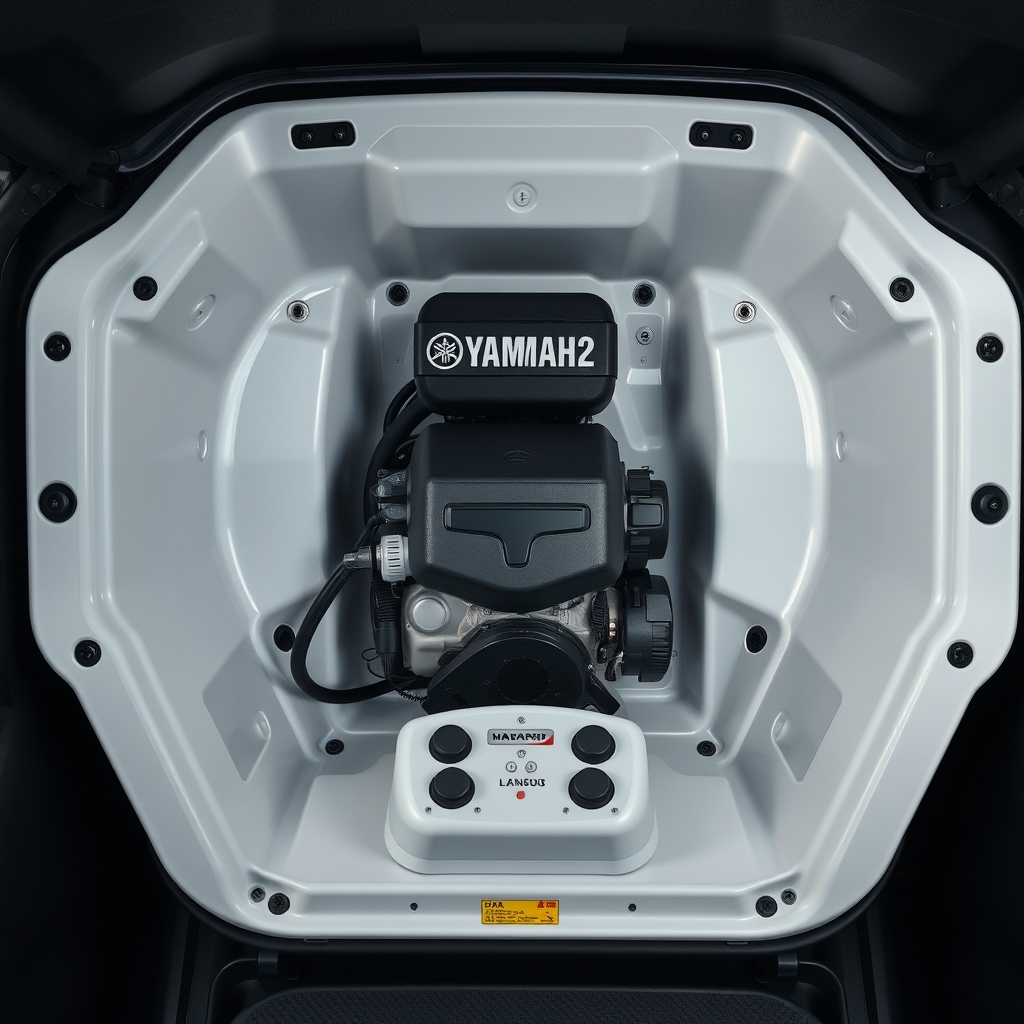
The Yamaha Drive2 PTV uses a Yokohama or similar 3.5 HP DC motor paired with a Curtis or Yamaha-branded controller. These components are robust, but the controller is a known failure point if the cart has been exposed to moisture or heavy modifications. A healthy controller should allow smooth acceleration from 0 to 12 mph without jerking. Ask the seller if the speed sensor or controller has ever been replaced. If you plan to lift the cart or use larger tires, verify that the controller can handle the added load—or budget $400–$700 for an upgraded controller. For tire-related upgrades, read our Yamaha Drive2 PTV Tire Upgrades: Improve Grip and Ride Quality guide.
What Does the Suspension and Ride Quality Tell You?
The Drive2 PTV features leaf spring rear suspension and independent front suspension, providing a comfortable ride for four passengers. However, worn bushings or sagging leaf springs cause excessive sway and bottoming out. During a test drive, listen for clunks over bumps and check for uneven tire wear. A well-maintained suspension will feel planted. Replacement leaf spring packs cost about $150–$250 per pair, while bushing kits are under $50. If the cart has aftermarket shock absorbers or a lift kit, check that the alignment is correct—otherwise, you will chew through tires quickly. Many owners upgrade the steering wheel for better grip; see our Yamaha Drive2 PTV Steering Wheel Upgrades: Style and Comfort article for options.
How Do You Verify the Charger and Electrical System?
The original Yamaha charger for the Drive2 PTV uses a Delta-Q or Lester unit, typically 48V at 15–20 amps. A missing or third-party charger can signal neglect. Test the charging port for corrosion and ensure the charger cycles properly (most stop at 85–90% charge). Also inspect the wiring harness for rodent damage or previous repairs—this is a common issue in carts stored in sheds or barns. If the headlights dim when you press the accelerator, the battery pack or controller may be weak. For a full list of electrical pitfalls, refer to our Yamaha Drive2 PTV Troubleshooting: Common Electrical Issues and Fixes guide.
What Upgrades and Customizations Add the Most Value?
A used Yamaha Drive2 PTV with tasteful upgrades is often a better buy than a stock unit. Look for LED light kits, a rear seat kit, and a windshield—these add $500–$1,200 in value if already installed. Custom wheels and tires (12-inch or 14-inch) improve aesthetics and ride, but ensure they are not oversized enough to stress the motor. For those wanting performance, a speed upgrade (from 12–14 mph to 19–20 mph) often requires a controller reflash, costing $200–$400. Our Yamaha Drive2 PTV Customization: Top 10 Upgrades for Style and Performance article highlights the best modifications. Avoid carts with hacked wiring or missing safety features—stick to professionally installed parts.
What Owners Say
Owners consistently praise the Yamaha Drive2 PTV for its reliability and smooth ride, even on rough terrain. Many mention that the cart “feels new” after five years of ownership with basic maintenance. Common complaints include the factory tires being slippery on wet pavement and the plastic body panels showing scratches easily. A frequent piece of advice is to upgrade the steering wheel for a more comfortable grip—exactly what our Yamaha Drive2 PTV Steering Wheel Upgrades: Style and Comfort guide addresses. Overall, buyers report high satisfaction, especially when they buy a well-maintained example with lithium batteries.
Frequently Asked Questions
Q1: What is the typical lifespan of a Yamaha Drive2 PTV battery?
With proper care, flood lead-acid batteries last 4–6 years; lithium batteries often last 8–12 years. Regular charging and avoiding deep discharges extend battery life significantly.
Q2: Can I upgrade the speed of my Yamaha Drive2 PTV without a new motor?
Yes. A controller reflash or replacement can increase top speed to 19–20 mph. Some models may require a motor upgrade for higher speeds. Always update the braking system accordingly.
Q3: How much does a used Yamaha Drive2 PTV weigh?
With batteries, the cart weighs approximately 600–650 lbs for lead-acid and 450–500 lbs for lithium. This affects towing and storage requirements.
Q4: Is the Yamaha Drive2 PTV suitable for hills?
Yes. The stock motor handles moderate grades (up to 20%) well. Heavier loads or steeper hills may benefit from a motor or controller upgrade. Check the torque specs before buying.
Q5: What common issues should I inspect before buying?
Check for rust on the frame, corrosion in the battery tray, worn suspension bushings, and any warning lights on the dash. Test acceleration and braking thoroughly.
Q6: Where can I find replacement parts for the Drive2 PTV?
Yamaha dealerships, online retailers, and specialized golf cart shops carry parts. Many owners also use salvage yards. Our guides cover sourcing components for upgrades and repairs.