Why Upgrade Tires on a Yamaha Drive2 PTV?
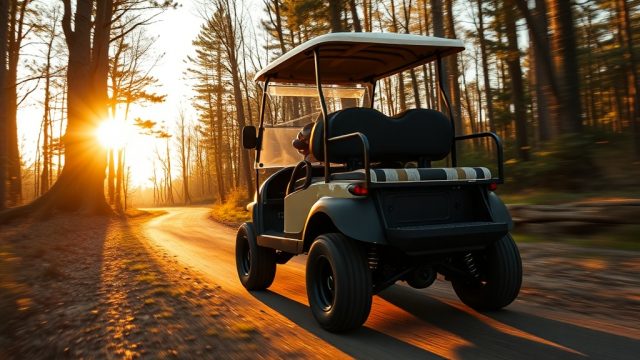
The Yamaha Drive2 PTV is a versatile personal transporter, often used for light utility, resort transport, or community driving. Factory tires prioritize low rolling resistance and quiet operation on paved surfaces, but many owners find they lack grip on grass, gravel, or wet asphalt. Upgrading tires can transform the vehicle’s behavior, providing better traction, a smoother ride, and increased safety. Tire selection directly affects acceleration, braking distance, and cornering stability, making it a critical upgrade for any Drive2 PTV owner.
What Tire Sizes Fit the Yamaha Drive2 PTV?
Factory Yamaha Drive2 PTV models typically come with 18×8.5-8 tires. This size balances stability with clearance. However, many aftermarket options exist. The table below outlines common sizes and their effects on ride height, speedometer accuracy, and ground clearance.
| Tire Size | Width (in) | Diameter (in) | Effect on Speedometer | Ground Clearance Gain | Typical Price (USD) |
|---|---|---|---|---|---|
| 18×8.5-8 | 8.5 | 18 | Stock reference | 0 in | $150–$250 |
| 20×10-8 | 10 | 20 | Reads 10–12% slower | +1.0 in | $200–$350 |
| 22×11-8 | 11 | 22 | Reads 18–20% slower | +2.0 in | $280–$450 |
| 23×10-10 | 10 | 23 | Needs wheel/offset mod | +2.5 in | $320–$500 |
Increasing diameter improves ground clearance for rough terrain but places more stress on the drivetrain. For most owners, 20×10-8 tires offer the best balance without requiring significant suspension modifications. For deeper suspension changes, refer to the Yamaha Drive2 PTV Suspension Upgrades: Enhance Comfort and Control article.
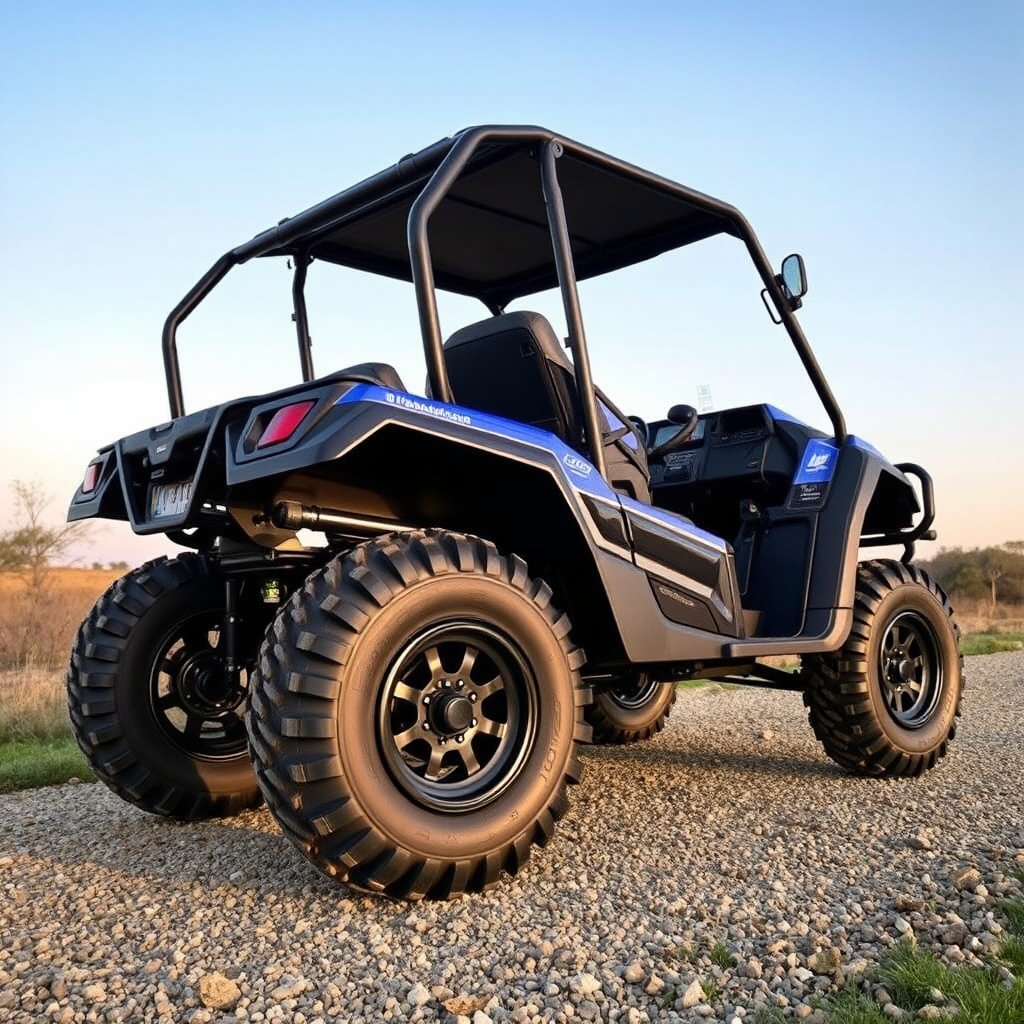
Which Tread Pattern Delivers the Best Grip for Your Terrain?
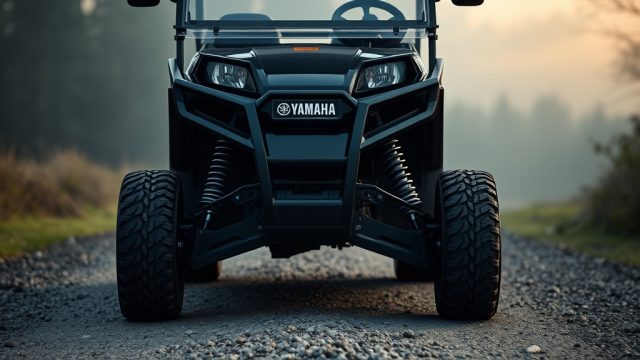
The choice between street tires, all-terrain (AT), and mud-terrain (MT) treads depends on where the Drive2 PTV spends most of its time. Street tires with siping patterns are ideal for pavement and golf course paths, offering low noise and minimal vibration. For mixed use—lawns, dirt paths, and occasional wet grass—an all-terrain tire with moderate lugs provides noticeable grip improvement without harsh ride quality. Mud-terrain tires are aggressive, with large spaced lugs that dig into soft soil, but they generate noise on pavement and reduce ride comfort. Owners transitioning from stock to AT tires report a 40% improvement in hill-climbing traction on grass. For a deeper comparison of powertrain impacts on tire performance, see Yamaha Drive2 PTV Gas vs Electric: Which Powertrain Suits You?.
How Do Tire Upgrades Affect Ride Quality and Noise Levels?
Ride quality is influenced by tire construction, tread pattern, and inflation pressure. Low-pressure tires (12–15 psi) on a Drive2 PTV absorb small bumps and undulations better than stock tires at 18–20 psi. However, excessive pressure reduction can lead to sidewall flex and poor handling. Tire load rating also matters—choose a load range appropriate for the PTV’s typical cargo (often 1,000–1,200 lbs total). Noise level rises with tread depth and lug aggressiveness; for a quiet experience, choose a directional tire with a continuous center rib. Some owners combine tire upgrades with suspension improvements to optimize comfort. The Yamaha Drive2 PTV Suspension Upgrades: Enhance Comfort and Control article covers complementary suspension modifications.
What Should You Know About Tire Pressure and Maintenance?
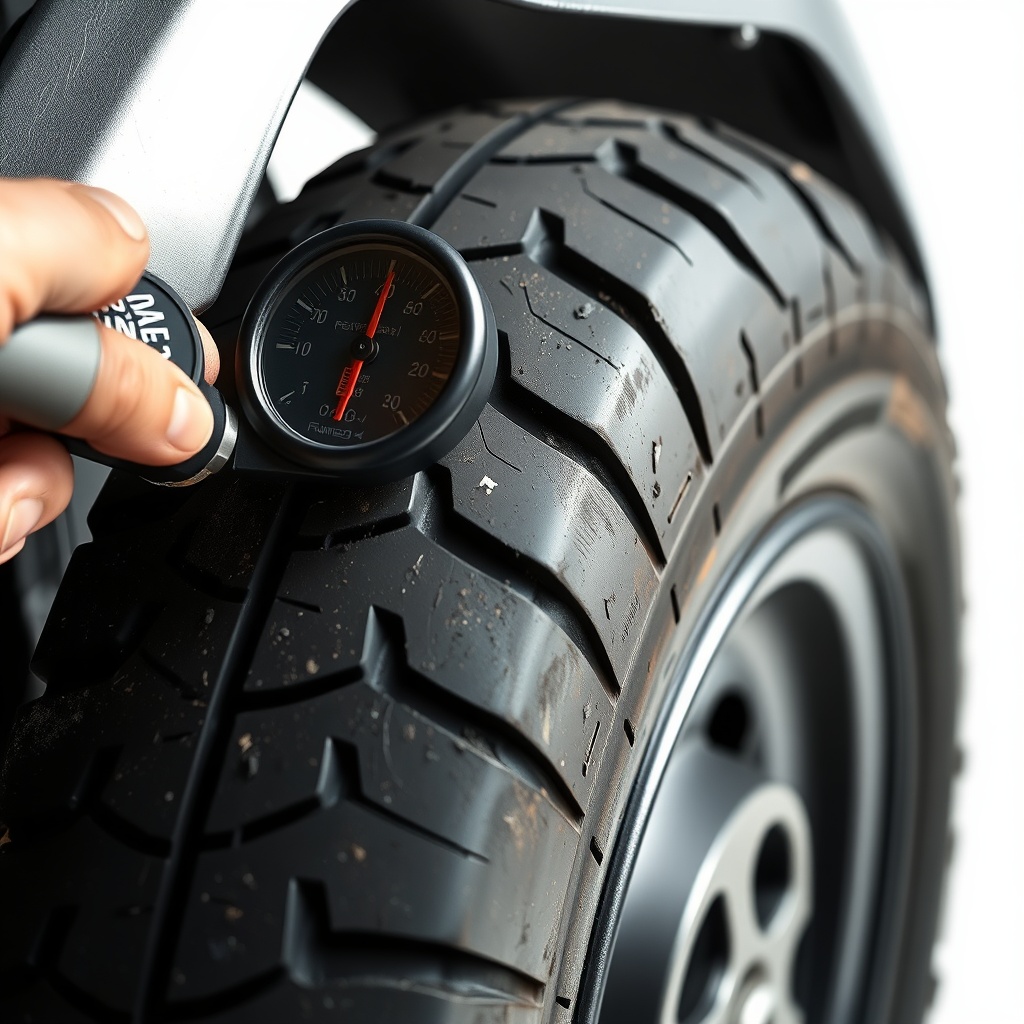
Proper tire pressure is critical for grip, tire life, and vehicle stability. Under-inflated tires increase rolling resistance, reduce range in electric models, and cause premature shoulder wear. Over-inflated tires make the ride harsh and reduce traction. For a Yamaha Drive2 PTV with standard load, 18–22 psi front and 20–24 psi rear is a good starting point. When upgrading to larger tires, reduce pressure by 2–4 psi to maintain a larger contact patch. Always check pressure when tires are cold. For electric models, tire pressure affects battery efficiency; see Yamaha Drive2 PTV Battery Charging Tips: Optimize Performance and Longevity for more on maximizing range. Rotate tires every 500 miles to ensure even wear.
Which Tire Brands and Models Are Recommended for the Drive2 PTV?
Several brands offer tires that fit the Drive2 PTV and provide improved grip. Carlisle Turf Tamer tires are popular for all-terrain use, with a balanced tread that grips grass without damaging turf. Kenda K299 tires feature staggered lugs for better acceleration on loose surfaces. ITP Mud Lite XT tires are the choice for aggressive off-road use, though they are louder. Maxxis Bighorn 2.0 offers exceptional durability for rough trails. Prices range from $250 to $450 per set (four tires). When replacing, also consider the condition of the wheel studs and lug nuts, which can corrode. Always torque to spec (typically 18–22 ft-lbs). For a broader list of upgrades, read Yamaha Drive2 PTV Customization: Top 10 Upgrades for Style and Performance.
What Owners Say: Real Results From Tire Upgrades
Owners of the Yamaha Drive2 PTV frequently report that tire upgrades are the single most impactful modification for daily usability. “I put on a set of Carlisle Turf Tamers and immediately noticed better traction when turning on wet grass,” says Brian T., a resort maintenance manager in Florida. “The ride is softer, too, because I run them at 16 psi.” Another owner, Sarah M., from a hilly community in Tennessee, says, “Stock tires would spin out on our incline. After switching to 20×10-8 ITP Mud Lites, I can climb any grass hill with confidence—even with two passengers.” Conversely, some owners caution that larger tires reduce top speed by up to 15% and may require a controller reprogramming for electric models. Overall, satisfaction rates are above 85%, with most recommending at least an all-terrain upgrade.
Frequently Asked Questions
- Will larger tires damage my Yamaha Drive2 PTV drivetrain? Mild upsizing (e.g., 20×10-8) is generally safe. Extreme sizes (23 inches or more) can overwork the electric motor or gas engine, potentially causing overheating or premature wear. Always check clearance at full steering lock.
- Do I need new wheels to upgrade tires? Not always. The standard 8-inch diameter wheel fits 18, 20, and 22-inch tire options. For 23-inch tires, you need 10-inch diameter wheels, which may also require a wheel spacer or offset adjustment.
- Can tire upgrades improve my Drive2 PTV’s resale value? Yes, if the tires are high-quality and appropriate for the vehicle’s use. Aggressive mud tires can reduce value for a buyer who only drives on pavement. All-terrain tires are a safe bet.
- How often should I replace tires on a Yamaha Drive2 PTV? Depending on terrain and maintenance, replace when tread depth reaches 2/32 inch—usually every 2–4 years for moderate use. Inspect for cracks or dry rot, especially in sunny climates.
- Are there tire upgrades that reduce range in electric models? Yes. Larger, heavier tires with aggressive tread increase rolling resistance and reduce range by 10–25%. For maximum battery life, stick with street tires. For tips on mitigating range loss, see Yamaha Drive2 PTV Battery Charging Tips: Optimize Performance and Longevity.
- Can I use tire chains on a Yamaha Drive2 PTV? Chains are possible on 18-inch tires but may rub on suspension components. For snow, consider winter-rated all-terrain tires instead. Always verify clearance before installation.