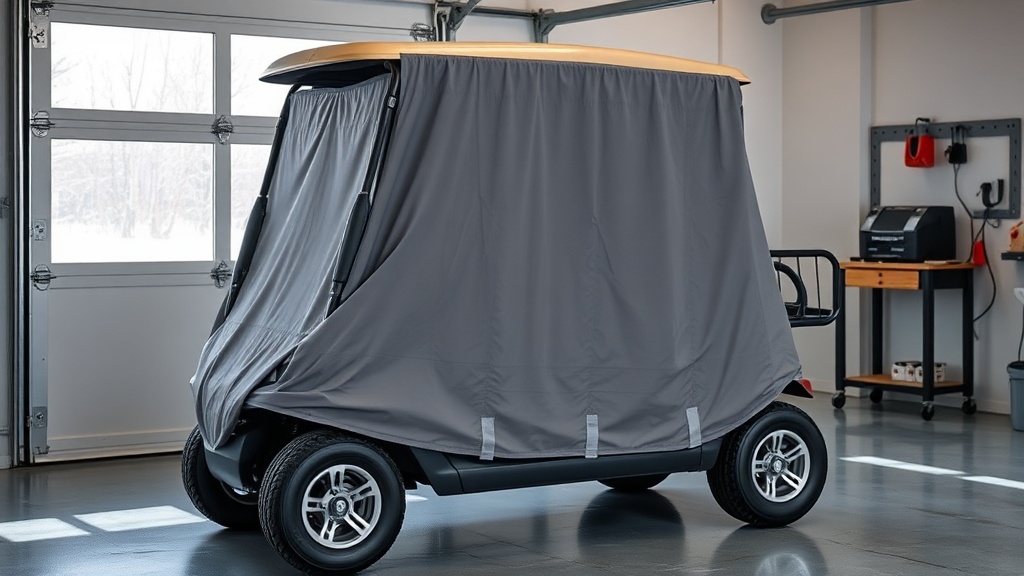
Why Is Winterizing Your Club Car Onward HP Critical for Cold Months?
Winter can be brutal on your Club Car Onward HP, especially if you live in an area where temperatures drop below freezing. Without proper preparation, cold weather can damage the battery, freeze water in the engine, and cause drivetrain corrosion. Winterizing isn’t just about parking it—it’s about preserving your investment and ensuring a smooth spring start.
For electric models, the lithium-ion or lead-acid battery pack is particularly vulnerable. For gas-powered units, fuel system stabilization and engine protection are paramount. Both require a systematic approach to avoid costly repairs. Neglecting winter storage can lead to repair bills exceeding $1,200—far more than a few hours of preparation.
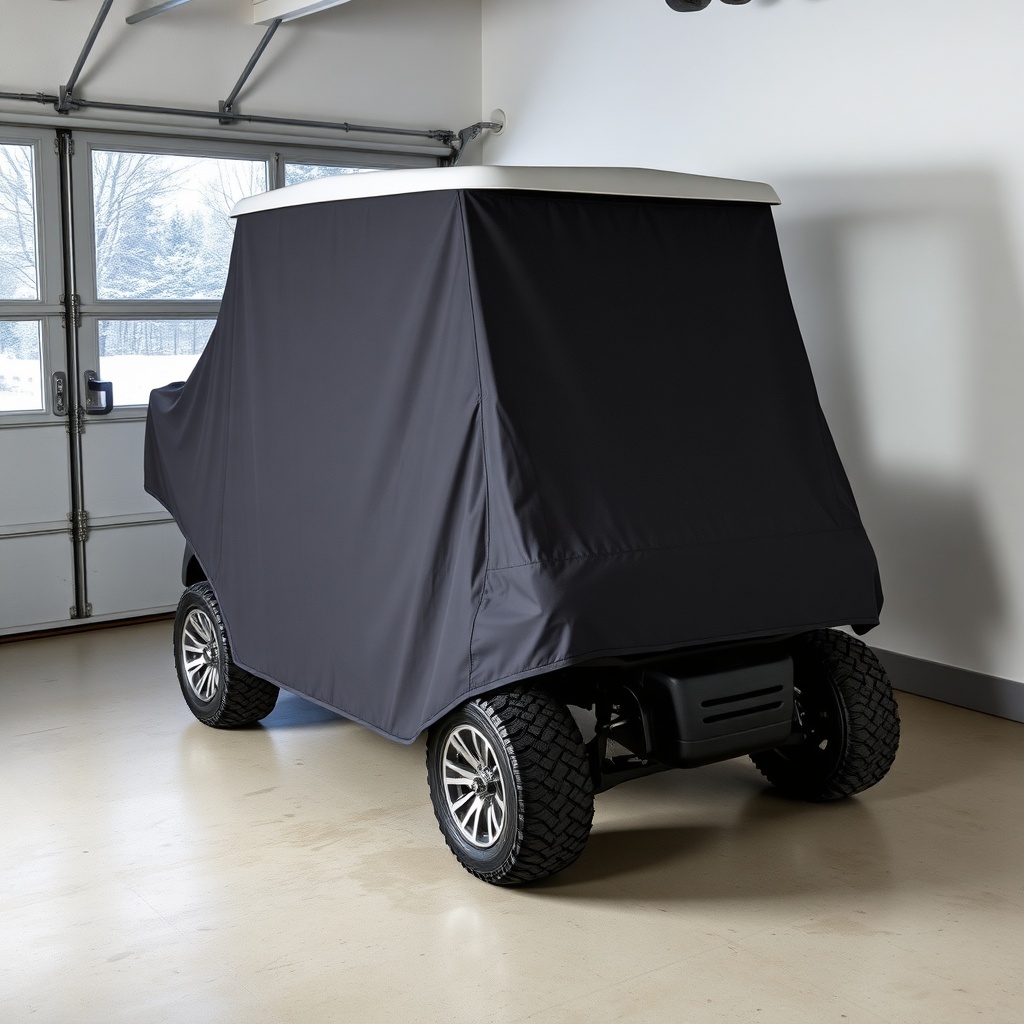
How Should You Prepare the Battery for Storage?
The battery is the heart of any Club Car Onward HP. Whether you own an electric or gas model, battery care during winter storage is non-negotiable.
Electric Models (Lithium-Ion and Lead-Acid)
- Charge to 50%-60%: For lithium-ion batteries, never store at 100% charge. Level at 50%-60% to prevent degradation. Lead-acid batteries should be fully charged before storage to avoid sulfation.
- Disconnect terminals: Remove the negative cable first, then positive. This prevents parasitic drain from onboard electronics.
- Store in a climate-controlled space: If possible, remove the battery and store it above 32°F (0°C). Battery performance drops by 20% below 50°F.
- Check monthly: Lead-acid batteries need a trickle charge every 4-6 weeks. Use a smart charger designed for golf carts.
Gas Models
Even gas-powered Onward HP carts have a battery for starting. Disconnect it and store in a warm area. Clean terminals with a baking soda solution to prevent corrosion.
For detailed charging best practices, read our Club Car Onward HP Battery Charging Tips: Optimize Performance and Longevity.
What Steps Protect the Fuel System in Gas Models?
Gasoline degrades over time, forming gum and varnish that can clog carburetors and fuel injectors. For your Club Car Onward HP gas model, fuel system winterization is vital.
- Add fuel stabilizer: Pour a quality stabilizer (e.g., STA-BIL) into the tank and run the engine for 5 minutes to circulate it through the system.
- Fill the tank: A full tank minimizes condensation. Leave 5% expansion space.
- Run the carburetor dry: Turn off the fuel valve and let the engine idle until it stops. This prevents stale fuel from sitting in the float bowl.
- Change oil: Old oil contains acids and moisture that can corrode engine components. Perform an oil change before storage.
Which Components Need Lubrication and Rust Prevention?
Corrosion is a silent killer during winter. Moisture, road salt, and humidity can rust steel parts and seize joints. Use this checklist:
| Component | Action | Severity of Neglect |
|---|---|---|
| Steering linkage | Apply lithium grease to all moving joints | High (seizure risk) |
| Brake cables | Spray with silicone lubricant | Medium (sticking) |
| Leaf springs | Coating with rust inhibitor spray | Low (but reduces lifespan) |
| Battery tray | Clean and apply dielectric grease to terminals | Medium (corrosion) |
| Undercarriage | Pressure wash, dry, then apply fluid film | High (rust from salt) |
| Tires | Inflate to max PSI (35-40 psi) | Medium (flat spots) |
Don’t skip the tires. Under-inflation can cause permanent flat spots in cold storage. Overinflate slightly to maintain shape.
What Is the Correct Procedure for Long-Term Storage?
Proper storage location and method determine how your Club Car Onward HP will emerge in spring. Follow these steps:
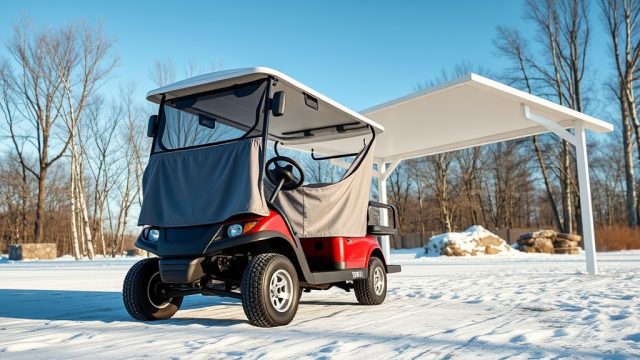
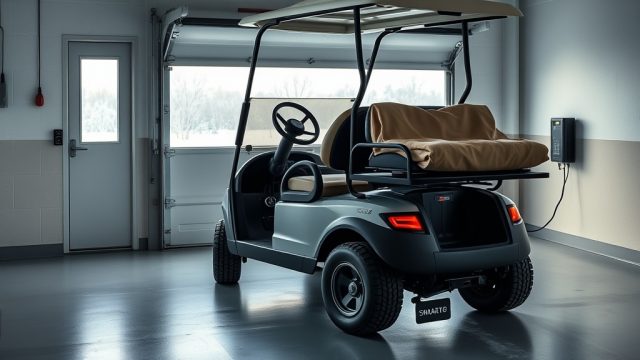
- Indoor storage is best: A garage or shed protects from snow, wind, and temperature swings. If outdoors, use a heavy-duty, breathable cover—plastic traps moisture.
- Elevate the frame: Place jack stands under the frame (not the suspension) to take weight off tires. This prevents flat spots and reduces spring fatigue.
- Block the wheels: Do not engage the parking brake—it can freeze or stretch cables. Use wheel chocks instead.
- Leave doors and cup holders open: Prevents mold and mildew. Remove any food wrappers or organic matter.
- Disconnect electronics: GPS trackers, lights, and accessories can drain the battery slowly. Disconnect them or install a master kill switch.
For gas models, also remove the spark plug and spray fogging oil into the cylinder. Crank the engine a few times (without the plug) to coat the cylinder walls.
If you’re considering upgrades before next season, check our Club Car Onward HP Customization: Top 10 Upgrades for Style and Performance for ideas.
What Owners Say About Winter Storage Tips
Real-world experiences from Club Car Onward HP owners highlight common pitfalls and successes:
- Mike from Minnesota: “I skipped fuel stabilizer one year, and my gas Onward HP wouldn’t start in April. Cost me $350 for a carburetor rebuild. Now I drain the tank religiously.”
- Linda from Colorado: “My lithium battery lost 15% capacity after leaving it at 100% charge all winter. The dealer told me to store at 60%. Lesson learned.”
- Carlos from New York: “I used jack stands on the frame, not the axles. The suspension settled fine, no flat spots after 5 months. Also, I cover the windshield with a blanket to prevent cracking.”
- Susan from Maine: “I thought the parking brake was safe, but it seized. Had to replace the cable. Use wheel chocks!”
- Tom from Canada: “I installed a battery disconnect switch for $45. Best investment. My battery voltage stays stable all winter.”
- Jennifer from Michigan: “I pressure-washed the undercarriage before storage to remove salt. Then sprayed with WD-40 specialist corrosion inhibitor. No rust after 3 winters.”
These anecdotes confirm that a little effort saves significant money. For more on safety and storage, visit our Club Car Onward HP Safety and Storage: Best Practices for Longevity page.
Frequently Asked Questions
1. How cold is too cold for my Club Car Onward HP?
Most gas and electric models can handle temperatures down to -20°F, but battery performance drops significantly below 32°F. Never let a lithium battery freeze—it can cause permanent damage. Store indoors if temperatures dip below -10°F.
2. Should I run the battery down before storage?
No. For lead-acid, fully charge before storage. For lithium-ion, charge to 50%-60%. Running it dead can ruin the battery.
3. Can I use a standard car cover?
No. Car covers trap moisture, leading to mold and rust. Use a breathable golf cart cover specifically for the Club Car Onward HP.
4. How do I restart after winter?
Reconnect the battery, check the tire pressure (30-35 psi), inspect all fluids (gas models), and look for rodent nests. If the engine won’t start, check the spark plug and fuel system. For electric models, simply press the accelerator.
5. What rodent prevention works best?
Place dryer sheets or peppermint oil cotton balls inside the cart, especially under the seat and in the engine bay. Avoid toxic baits that can poison pets or wildlife.
6. Can I store my Onward HP outdoors with just a tarp?
Not recommended. Tarps trap moisture, causing rust and mildew. If you must store outdoors, use a heavy-duty, waterproof yet breathable cover and ensure the cart is raised off the ground to prevent moisture wicking.