How Does Cold Weather Affect Your Yamaha Drive2 PTV’s Performance?
Winterizing a Yamaha Drive2 PTV isn’t just about keeping it clean—it’s about preserving the battery, sealing the engine (if gas-powered), and preventing freeze damage to electronics. When temperatures drop below 40°F, lead-acid batteries lose up to 35% capacity, and condensation can corrode terminals. For electric models, the 48-volt system demands special care: if the battery charge drops below 50%, sulfation accelerates, permanently reducing range. Gas-powered versions face fuel degradation and carburetor gumming if ethanol-rich fuel sits for months.
To protect your investment—valued at $6,500 to $11,000 depending on trim—you need a step-by-step plan. The Yamaha Drive2 PTV’s sealed wiring harnesses are robust, but water intrusion in the controller area can still happen. Below, we cover the critical questions every owner asks before storing their cart from November to March.
What Steps Should You Take to Prepare the Battery for Winter Storage?
The battery is the most expensive component on any electric Yamaha Drive2 PTV, costing between $800 and $1,200 for a set of six 8-volt deep-cycle batteries. Skipping winter prep can lead to a $600 replacement. Start by fully charging the battery pack to 100% using a Yamaha-approved charger. Then, disconnect the negative terminal first to avoid short circuits.
For gas models, the 12-volt starting battery requires a trickle charger (maintainer). Set it to 1.5 amps and leave it connected. Here’s a quick severity table for common battery issues:
| Issue | Severity | Cost to Fix (USD) |
|---|---|---|
| Sulfated cells (below 50% charge) | High | $400–$700 |
| Corroded terminals | Medium | $30–$80 |
| Electrolyte freezing | Critical | $800–$1,200 |
| Parasitic drain (key off) | Low | $50–$150 |
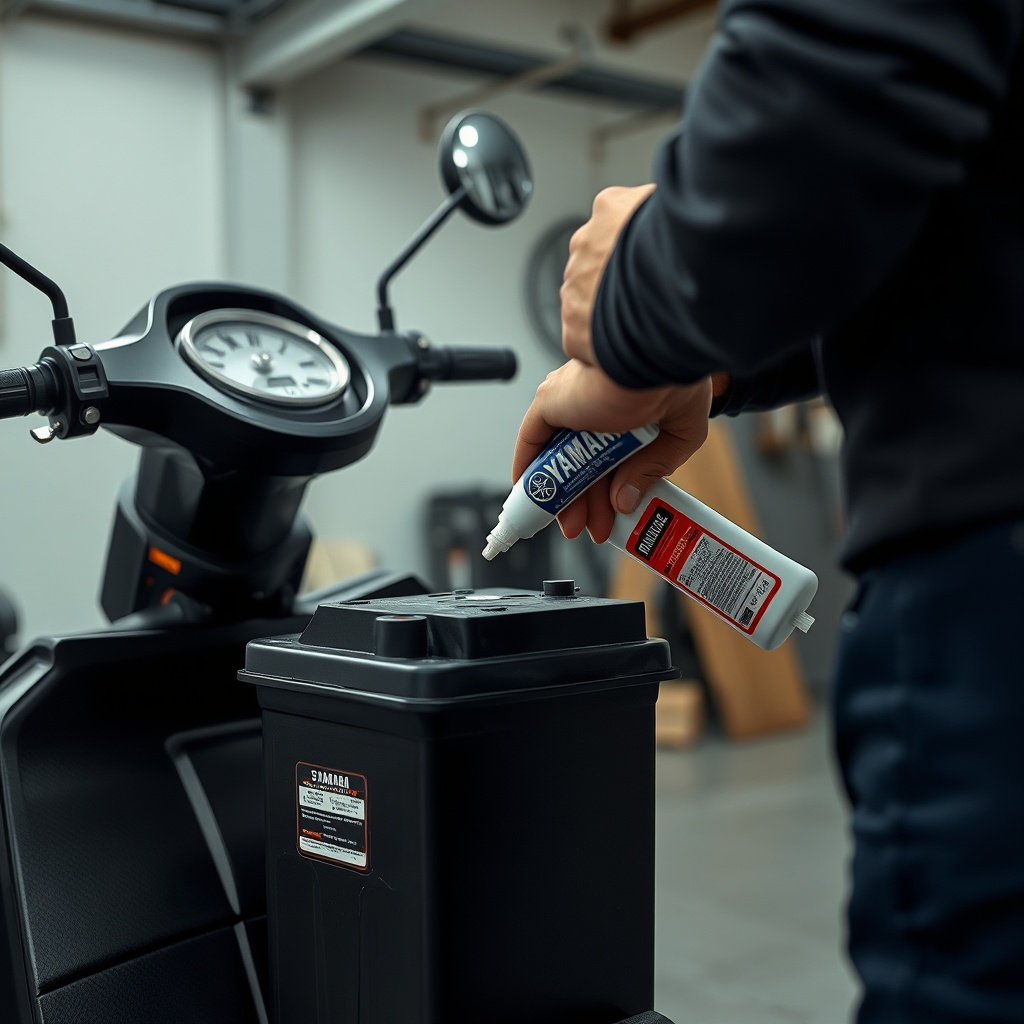
If you own a gas-powered cart, consider adding a fuel stabilizer like Sta-Bil to the tank. Run the engine for 5 minutes to circulate it through the carburetor. For both types, clean the battery top with baking soda and water to neutralize acid residue, then apply anti-corrosion spray.
How Should You Store a Yamaha Drive2 PTV Indoors vs. Outdoors?
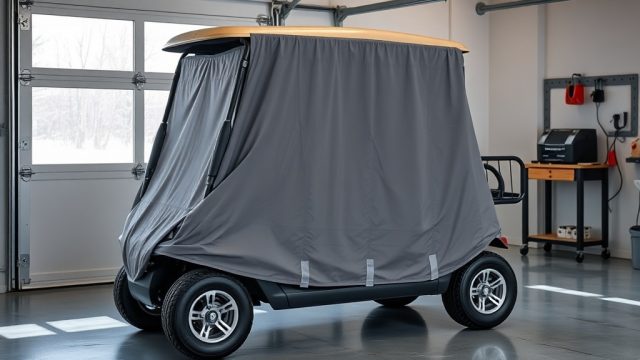
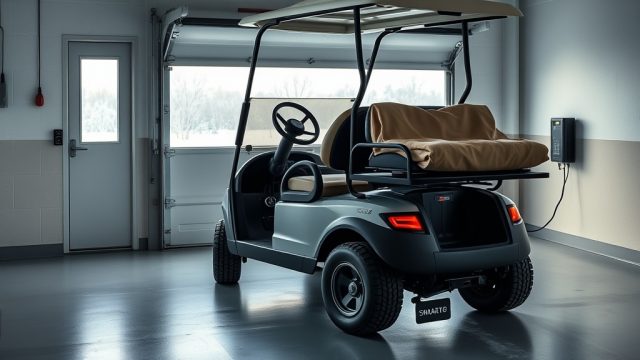
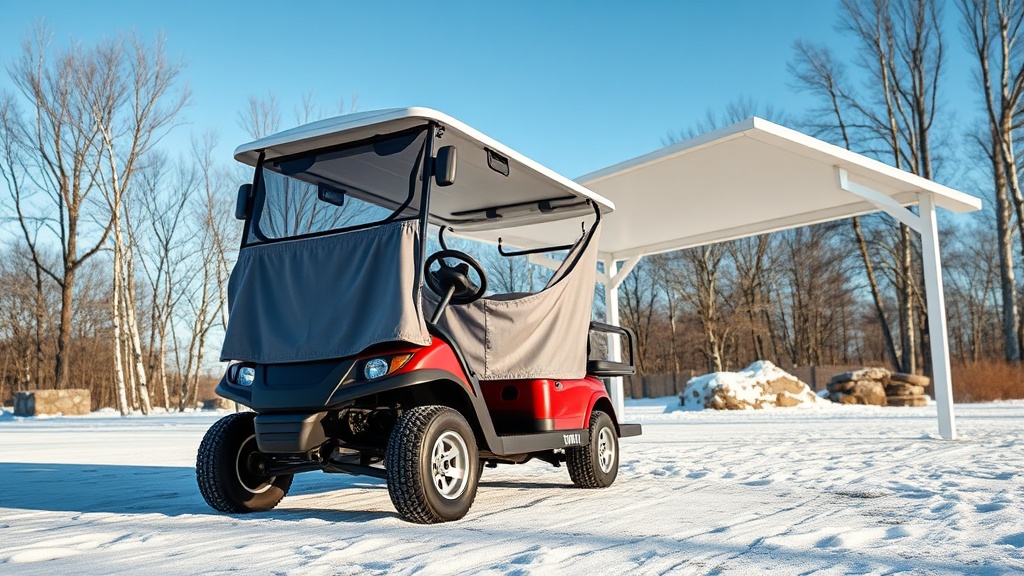
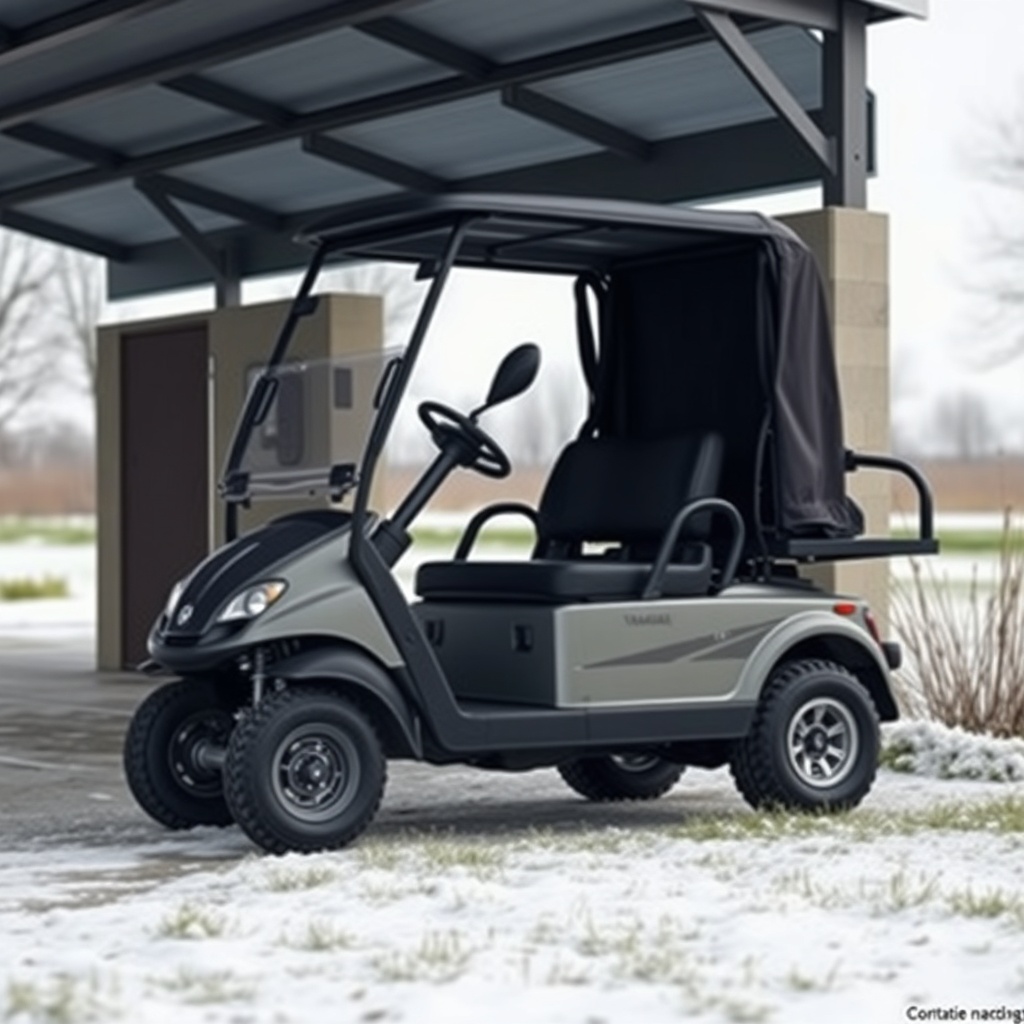
Indoor storage is ideal, but many owners rely on garages, sheds, or covered patios. Temperatures should stay above 32°F—a heated garage at 45–55°F is perfect. Outdoors, use a breathable, waterproof cover (ventilated to prevent condensation). Never use a tarp that traps moisture. The Yamaha Drive2 PTV’s plastic body can handle UV exposure for a few months, but the tires and seat foam degrade faster in sunlight.
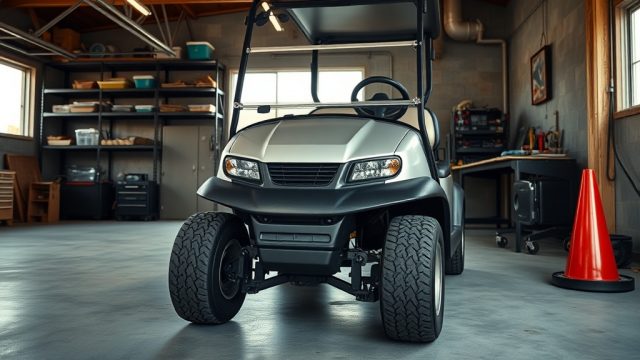
Raise the cart on jack stands or tire cradles to prevent flat spots. The stock 18-inch tires lose pressure in cold weather—check them at 18-22 psi monthly. If you must store outdoors, position the cart facing north to minimize sun damage, and lock the steering column. For additional security, install a GPS tracker; thefts of PTVs rise 20% in winter months in some regions.
Remember, the Yamaha Drive2 PTV Battery Maintenance: Extend Your Battery Life guide explains how to maintain charge cycles over winter—essential reading if you keep the cart plugged in.
What About the Engine and Fuel System for Gas-Powered Models?
Gas Yamaha Drive2 PTVs use a 357cc OHV engine with a single-cylinder design. Ethanol-blended fuel (E10 or E15) attracts moisture, leading to corrosion in the carburetor and fuel lines. Drain the carburetor float bowl by loosening the drain screw underneath. Then, add fuel stabilizer at the recommended ratio (1 ounce per 2.5 gallons). Run the engine for 2-3 minutes to ensure stabilized fuel reaches the injector or carburetor.
Change the oil and oil filter if you’re storing for more than 3 months. Use SAE 10W-30 oil (capacities ~1.1 quarts). Old oil contains acids that can etch bearings. Also, spray the spark plug wire with dielectric grease and remove the plug to spray fogging oil into the cylinder. Crank the engine twice (without the plug) to coat the cylinder walls, then reinstall the plug. This prevents rust during storage.
If you suspect suspension issues affecting storage stability, check our Yamaha Drive2 PTV Suspension Upgrades: Enhance Comfort and Control article to ensure the shocks aren’t leaking—they can cause the cart to sag and create tire flat spots.
How Do You Protect the Electrical Components and Brakes from Winter Corrosion?
Start by disconnecting the main harness connector under the seat. Wipe down all exposed pins with contact cleaner (CRC 2-26) and apply a thin coating of dielectric grease. The motor controller—located on the driver’s side frame rail—is the most vulnerable. Seal the vent holes with silicone tape if you expect prolonged dampness. For gas models, cover the ignition coil and regulator/rectifier with a plastic bag secured by a zip tie (leave a small breath hole).
The brake system needs attention too. Flush the brake fluid (DOT 3 or 4) every two years, but before storage, check the level. If it’s low, you may have a leak. Spray all brake cables (mechanical drum brakes) with a Teflon-based lubricant to prevent freezing inside the housings. The parking brake should be released—if left engaged for months, cable tension can stretch, causing premature wear.
For a deeper look at keeping your PTV’s steering precise, see the Yamaha Drive2 PTV Steering Wheel Upgrades: Style and Comfort article—though winter storage makes that a good time to upgrade before next season.
What Should You Inspect Before Using the Cart After Winter?
When spring arrives, don’t just turn the key. For electric models, reconnect the battery terminals with the charger unplugged. Check each battery cell water level—if low, fill with distilled water (not tap) to 1/4 inch below the fill tube. Charge the pack fully before driving. For gas models, check the oil level (should be clean after change), reinstall the spark plug, and prime the carburetor (5–7 pumps on the accelerator).
Inspect the tires for cracks or dry rot—the rubber compound ages faster in temperature swings. Inflate to recommended psi (20–22 psi). Test the brakes: if the pedal feels spongy, air may have entered the lines; bleed the brakes if needed. Also, grease the suspension fittings and steering bushings with a marine-grade lithium grease. The Yamaha Drive2 PTV has four zerk fittings on the front suspension—lubricating them prevents squeaks and binding.
Take a slow test drive in a safe area before using it on the course. Listen for grinding from the rear axle, which could indicate gear oil contamination—replace with 75W-90 gear oil if it smells burnt. For comprehensive troubleshooting, read our Yamaha Drive2 PTV Troubleshooting: Common Suspension Issues and Fixes guide if you notice any clunks.
What Owners Say About Winterizing Their Yamaha Drive2 PTV
Most owners who live in regions with freezes (like the Midwest or Northeast) report that battery maintenance is the number one challenge. One owner from Minnesota noted, “I forgot to disconnect my battery one winter, and the BMS failed. Cost me $900 for a new set. Now I use a smart maintainer.” Another from Colorado shared, “I stored my gas cart in an unheated shed with a tarp—the seat cracked from moisture. Invest in a premium cover.”
A Florida owner (who stores briefly) said that “even in mild winters, condensation builds inside the charge port. A simple cap prevents it.” For gas models, owners emphasize fuel stabilizer—one had a gummed carburetor that took $200 to rebuild. Overall, the consensus: spend 90 minutes on winter prep to avoid $500+ repairs. Many owners also recommend upgrading to a lithium battery (for electric models) for zero maintenance in storage, though it adds $1,500 to the initial cost.
Frequently Asked Questions
Q1: Can I use a car battery charger for my Yamaha Drive2 PTV lithium battery?
No. Lithium batteries require a specific charge profile. Using a standard lead-acid charger can damage the battery management system (BMS). Always use the Yamaha Drive2 PTV OEM charger or a compatible lithium charger. Refer to the Yamaha Drive2 PTV Battery Maintenance: Extend Your Battery Life article for recommended chargers.
Q2: How often should I charge the battery during winter storage?
For lead-acid, check the charge every 4-6 weeks and top up to 100% if it drops below 70%. Lithium packs can stay at 50-60% charge for the season, but check monthly. Trickle maintainers are best.
Q3: Is it safe to store the Yamaha Drive2 PTV outdoors under a metal carport?
Yes, but ensure the cover is breathable and that snowfall doesn’t pile on the roof. Use rubber mats under the tires to insulate from cold concrete.
Q4: What tire pressure should I maintain during storage?
Inflate to 22 psi (cold) and monitor monthly. Tires lose 1-2 psi per month in cold weather. Overinflating to 30 psi can cause uneven wear.
Q5: Should I remove the spark plug on a gas model for storage?
Yes, remove it, spray fogging oil, and reinstall the plug finger-tight. This prevents moisture from entering the cylinder and causing rust during long storage.
Q6: How do I know if my suspension needs attention before winter storage?
If the cart leans to one side or the shocks show oil leakage (wet spots), address it through our Yamaha Drive2 PTV Suspension Upgrades: Enhance Comfort and Control guide before storing—fixing it now avoids spring repair delays.