Yamaha Drive2 PTV Buying Guide: What to Consider Before Purchase
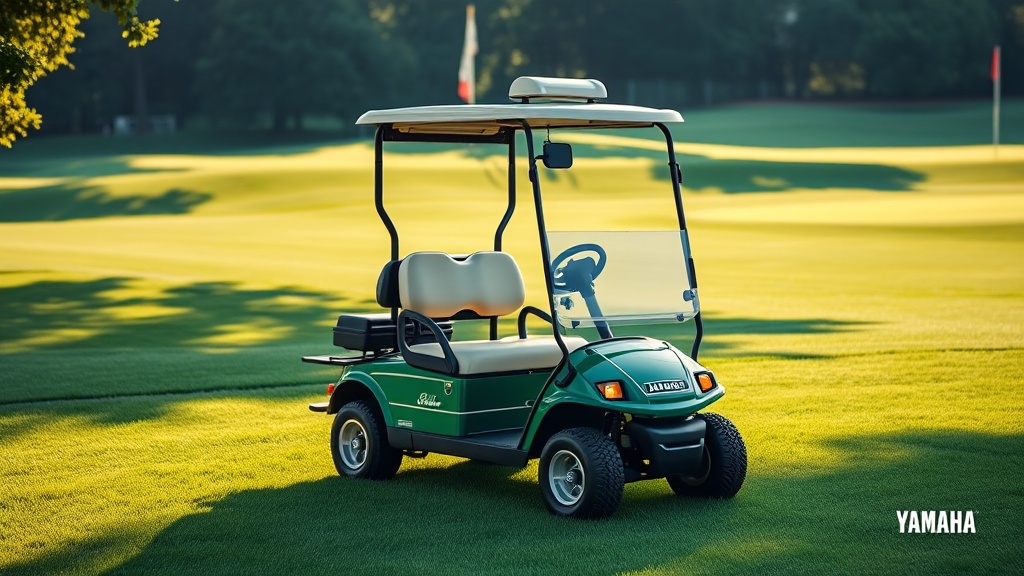
The Yamaha Drive2 PTV (Personal Transportation Vehicle) stands as a robust choice for golfers, resort communities, and private property owners seeking reliable electric mobility. With its proven drivetrain and customizable platform, this model demands careful evaluation before committing to a purchase. This guide breaks down six critical factors to weigh, from powertrain selection to ownership costs, ensuring you invest wisely.
1. Electric vs Gas Powertrain: Which Suits Your Daily Use?
The most fundamental decision when buying a Yamaha Drive2 PTV is choosing between the electric and gas powertrain versions. The electric model operates silently, requires no fuel, and offers lower ongoing maintenance costs—ideal for noise-sensitive environments like gated communities or courses with early tee times. The gas version, however, delivers continuous runtime without recharging pauses and suits properties lacking convenient charging infrastructure.
Consider your typical daily distance: electric models provide about 35–45 miles per full charge, while a gas tank lasts for 50–70 miles depending on load and terrain. For a deeper breakdown, read our dedicated comparison at Yamaha Drive2 PTV Gas vs Electric: Which Powertrain Suits You?.
2. What Is the True Cost of Ownership?
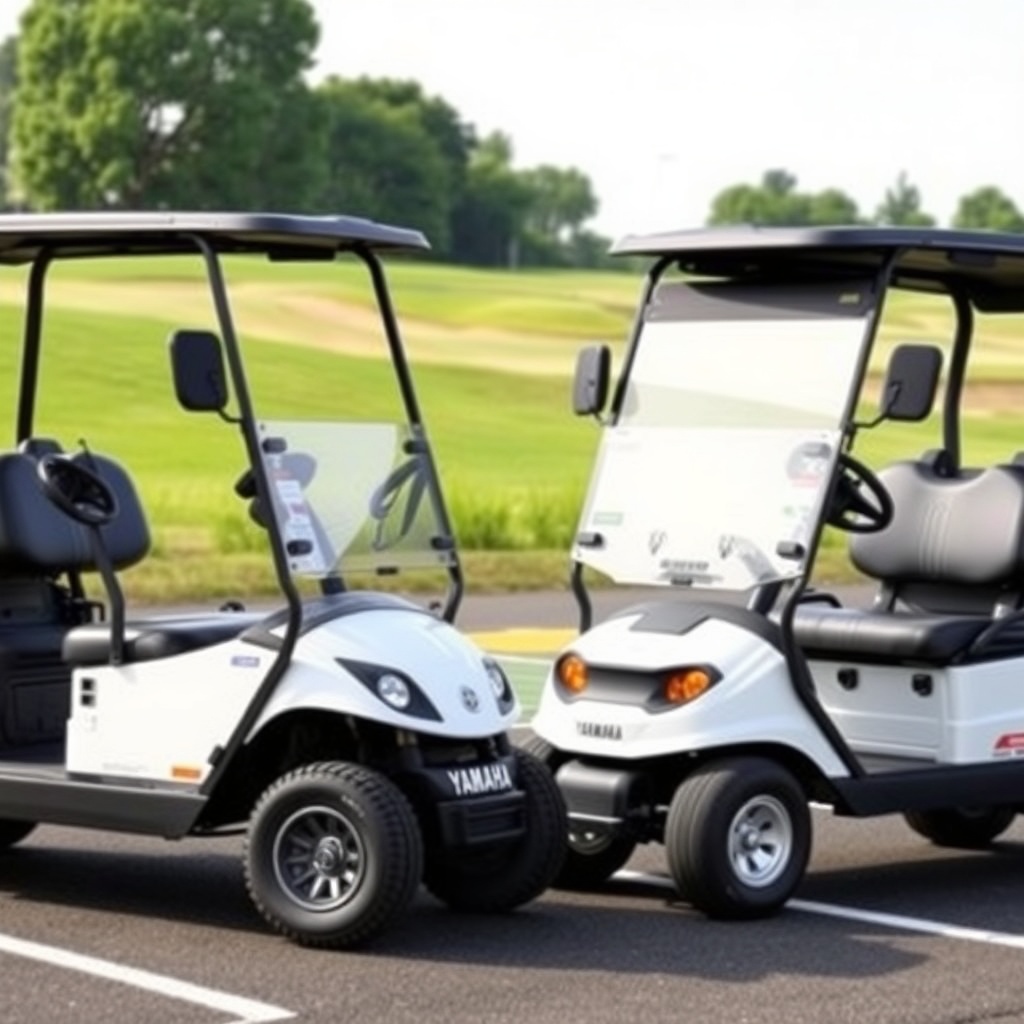
The purchase price of a new Yamaha Drive2 PTV in the US ranges from $8,500 to $11,200 depending on trim, battery type, and dealer fees. A refurbished unit from 2018–2020 often falls between $5,200 and $6,900. However, ownership cost extends beyond the sticker.
| Cost Category | Electric Model (Annual) | Gas Model (Annual) |
|---|---|---|
| Energy/Fuel | $220–$350 (electricity) | $450–$700 (gasoline) |
| Battery replacement (every 4–6 years) | $1,200–$1,800 | N/A |
| Oil & filter changes | $0 | $80–$150 |
| Brake pad replacement | $60–$90 | $80–$130 |
| Insurance (liability only) | $180–$300 | $200–$350 |
Note that electric models benefit from federal or state tax credits in some jurisdictions, potentially lowering net cost by 10–15%. Additionally, consider that battery longevity improves with proper charging habits; our Yamaha Drive2 PTV Battery Charging Tips: Optimize Performance and Longevity can help extend that lifespan.
3. How Does Terrain and Suspension Affect Your Ride?
The Yamaha Drive2 PTV comes with independent front suspension and a leaf-spring rear setup, adequate for flat golf courses or paved paths. However, if your property involves slopes, uneven grass, or gravel trails, aftermarket suspension upgrades become essential. Upgraded shocks and coil-over springs can reduce body roll by 30% on inclines and improve passenger comfort on bumpy terrain.
A typical suspension upgrade package—including gas-charged shocks and progressive springs—costs $400–$700 installed. For a detailed guide on improving ride quality, refer to Yamaha Drive2 PTV Suspension Upgrades: Enhance Comfort and Control. Always test-drive the vehicle on the actual terrain you intend to use it on before finalizing purchase.
4. What Common Electrical Issues Should You Anticipate?
While the Drive2 PTV is dependable, owners report a few recurring electrical gremlins. The most frequent include: (1) solenoid click but no movement, often due to a failing controller or low voltage in a single battery cell; (2) intermittent power loss linked to corroded wire connections under the floorboard; and (3) charger not initiating, typically from a faulty OBC (on-board computer) on 2016–2019 models.
Diagnosing these early requires a multimeter and basic electrical knowledge. A professional repair for a controller failure runs $250–$450. For step-by-step diagnostics, see Yamaha Drive2 PTV Troubleshooting: Common Electrical Issues and Fixes. Avoid buying a unit with a non-functional speed sensor—the replacement part costs $120–$180 alone.
5. How Much Customization Is Possible After Purchase?
The Yamaha Drive2 PTV offers a vast aftermarket ecosystem. Owners frequently upgrade wheels and tires (14-inch alloy rims with low-profile street tires, $600–$900 per set), LED light kits ($150–$300), rear flip-flop seats ($400–$700), and stereo systems ($200–$500). Performance upgrades like speed controllers can raise top speed from 14 mph to 19 mph—but check local regulations first.
Customization doesn’t need to break the bank. A simple color wrap or new seat covers costs $200–$400 and dramatically changes appearance. For a complete list of modifications, browse Yamaha Drive2 PTV Customization: Top 10 Upgrades for Style and Performance. Always verify that upgrades do not void the factory warranty, which typically covers 2 years or 10,000 miles.
What Owners Say
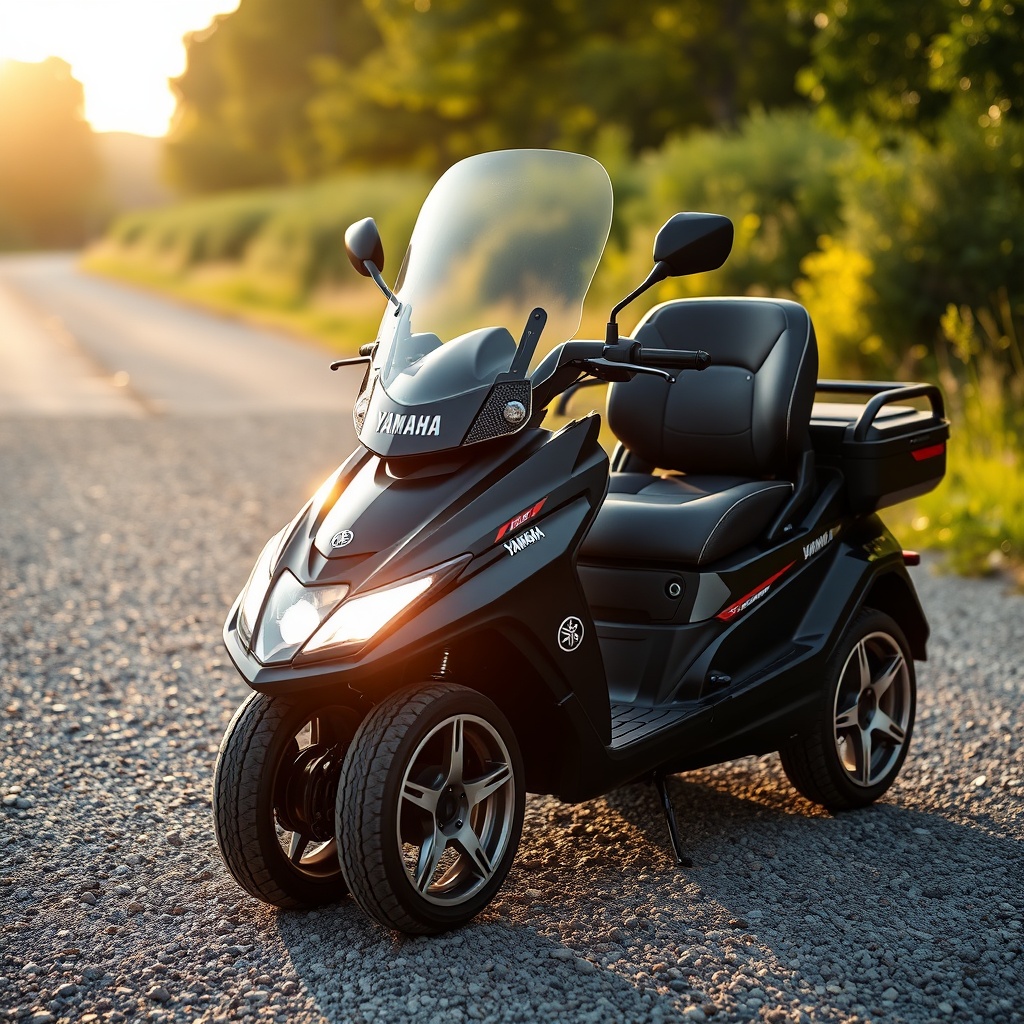
Long-term owners praise the Yamaha Drive2 PTV for its quiet operation—particularly the electric model—and its smooth ride on manicured grass. Many note the battery life meets expectations, with one owner reporting 5,000 miles over four years with only a single battery terminal cleaning. A common criticism: the stock suspension feels stiff on pavement, and the factory seat bottoms lack lumbar support for extended sitting. “I replaced the rear shocks and added a memory foam cushion,” says a Florida resort user. “Now it’s perfect for all-day patrol.” Several owners advise against buying used units without a full battery load test, as aging batteries can cost a third of the vehicle’s value to replace.
Frequently Asked Questions
How much does a Yamaha Drive2 PTV weigh?
The curb weight is approximately 880–950 lbs depending on configuration, with electric models typically 40 lbs heavier due to batteries.
What is the top speed of a stock Drive2 PTV?
Factory setting limits speed to 14 mph, but a dealer can adjust it to 19 mph using a handheld programmer (requires authorization for road use).
Can the Drive2 PTV handle hills?
Yes, its 3.5 hp (electric) or 4.5 hp (gas) motor handles grades up to 25% with two passengers, though sustained climbing may trigger thermal limiting on electric models.
Does it come with a warranty?
New units include a two-year/10,000-mile powertrain warranty; the battery is covered separately for two years against defects, with a prorated third year.
What tires size does the Drive2 PTV use?
Stock tires are 205/50-10 on steel wheels, but many owners upgrade to 215/40-12 for better road grip and aesthetics—check clearance first.
Is it street-legal in all states?
Only if equipped with an LSV (Low-Speed Vehicle) package including headlights, taillights, turn signals, mirrors, and a VIN plate. Most stock units are not street-legal without these additions.