Introduction
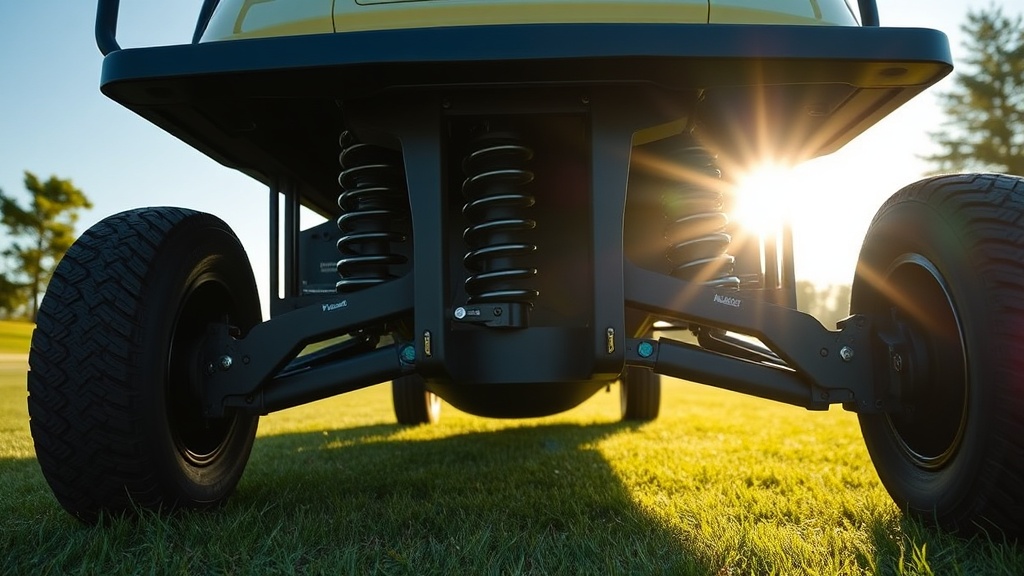
Yamaha Drive2 PTV owners often face ride quality challenges when the suspension begins to wear. The independent front suspension and rear leaf spring setup deliver a smooth ride on the course, but bumps, potholes, and heavy loads can cause sagging, noise, or uneven tire wear. This guide walks through six common suspension issues, their fixes, and relevant costs in USD to keep your cart stable and comfortable.
Why Does My Yamaha Drive2 PTV Sag at the Rear Under Load?
The most frequent complaint from owners involves rear sag when carrying passengers or cargo. The stock leaf springs on the Drive2 PTV are rated for a modest load, and over time, they lose their arch. If the cart sits lower than 5 inches from the top of the tire to the wheel well lip when empty, the springs are fatigued.
Fix: Replace the leaf springs with heavy-duty aftermarket units. Upgraded springs from brands like Jakes or Alltrax provide an extra 200 lbs of load capacity. A pair of replacement springs costs between $120 and $180, while a complete kit with bushings and bolts runs about $220. Expect labor charges of $80 to $120 per hour. If sag is minor, adding a helper spring (priced at $35–$50) can restore ride height without a full replacement.
Always check the shackle bolts for rust or binding; seized hardware accelerates spring wear. For long-term storage, see our guide on Yamaha Drive2 PTV Safety and Storage Tips to prevent suspension corrosion.
How Can I Fix a Clunking Noise From the Front Suspension?
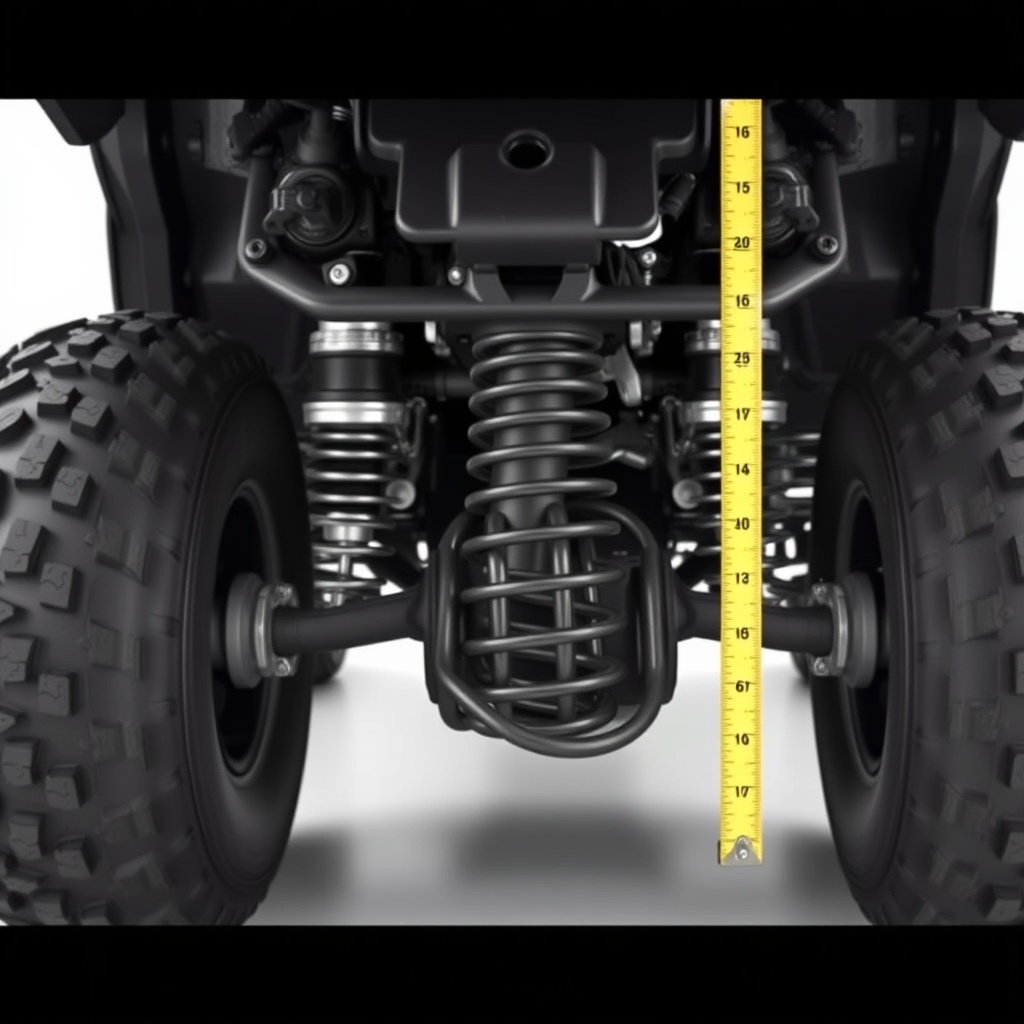
A persistent clunk or rattle from the front end usually points to worn kingpin bushings or loose control arm pivot bolts. The Drive2 PTV uses a rack-and-pinion steering system with four control arm bushings at the front. As these bushings degrade (often by 10,000 miles on rough terrain), they allow play that creates a metallic clunk when turning or hitting bumps.
Diagnosis: Jack up the front, grab the tire at 12 and 6 o’clock, and rock it. More than 0.125 inches of movement indicates worn bushings. If the clunk is directional (only during left turns), suspect a loose stabilizer bar link.
Fix: Replace all four control arm bushings with urethane versions from parts suppliers like Curry or Red Hawk. Urethane outlasts rubber three to one and resists oil cracking. A bushing set costs $45 to $70. If the kingpin itself is pitted or loose (a $15 part), replace it simultaneously. Torque the pivot bolts to 35 ft-lbs using a torque wrench. Replacing bushings alone runs about $1.5 hours of labor ($120–$180).
If your cart steers hard or wanders after fixing the clunk, consider upgrading the Yamaha Drive2 PTV Steering Wheel Upgrades to complement the tighter suspension.
What Are the Signs of a Worn Shock Absorber and How to Replace?
Worn shocks allow excessive body bounce, reduced tire traction, and a jarring ride. On the Drive2 PTV, front shocks often fail within five years due to exposure to road salt and UV rays. Symptoms include the cart swaying more than 3 inches after a bump, knocking at low speed, or oil leaks on the shock body.
To test, push down hard on the rear bumper. If the cart rebounds more than twice, the shocks need replacement. Factory-style replacements (e.g., Monroe Gas-Magnum) cost $35–$60 each. For better control, gas-charged aftermarket shocks (e.g., from Jakes Lifts) run $90–$130 per pair. Front shocks require removing the wheel and unbolting a single top nut (27mm) and two lower bolts (13mm). Rear shocks are easier to access under the frame. A DIY replacement takes about 45 minutes; shop labor adds $100.
Safety note: Never mix shock types on the same axle. Replace shocks in pairs. For winter storage, refer to Yamaha Drive2 PTV Safety and Storage: Winterizing Your Golf Cart to prevent corrosion.
How to Diagnose and Fix Front Suspension Loose Bolts?
Over time, vibration and potholes can loosen the bolts on the front A-arms, tie rods, and shock mounts. A loose bolt creates a distinct, repeating click or thud that changes pitch with turns. The most common culprit is the lower control arm pivot bolt, which can back out if not thread-locked.
Procedure: Place the cart on jack stands, then inspect each front bolt. Use a 3/8-inch drive torque wrench to check these critical fasteners:
- Control arm pivot bolts: 35 ft-lbs
- Shock mount bolts: 50 ft-lbs
- Stabilizer bar end link bolts: 25 ft-lbs
Re-torque any that are loose. Apply blue Loctite 242 (a $8 tube) to threads to prevent recurrence. If bolts are stripped or rusted beyond use, replace with grade 8 counterparts ($2–$5 each at a hardware store). This fix takes 30 minutes and costs $10 if no parts are needed.
After tightening, test drive over a bumpy surface to verify the noise is gone. If clunk persists, the issue may be in the Yamaha Drive2 PTV Steering Wheel Upgrades: Style and Comfort adjustments rather than suspension.
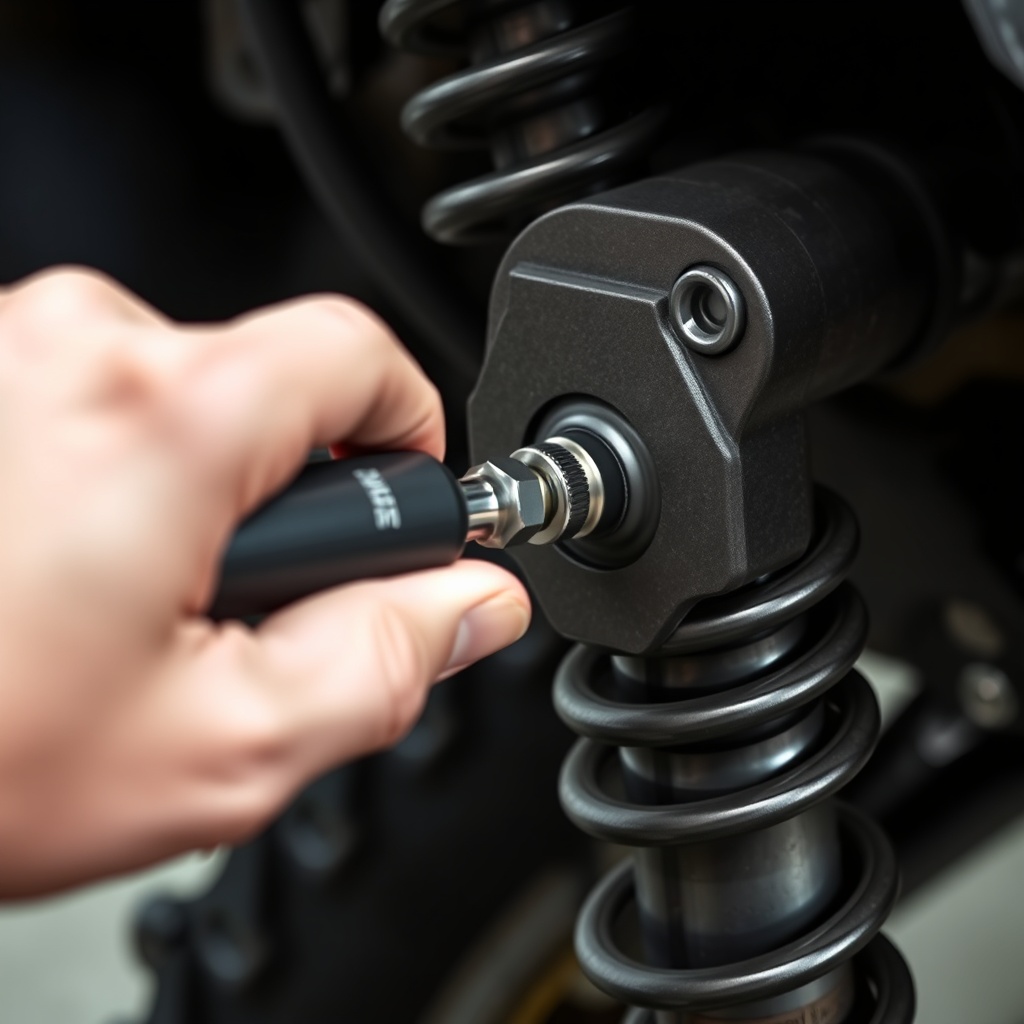
What Torque Specs Are Essential for Suspension Components?
Incorrect torque leads to component failure or premature wear. Here are the critical torque specifications for the Yamaha Drive2 PTV suspension. Always use a calibrated torque wrench, and never exceed values by more than 5 percent.
| Component | Torque (ft-lbs) | Notes |
|---|---|---|
| Front control arm pivot bolts | 35 | Apply Loctite 242; recheck after 100 miles |
| Shock absorber mount bolts (front) | 50 | Use a 27mm socket for top nut |
| Rear leaf spring U-bolts | 40 | Double-nut; torque in three steps |
| Stabilizer bar end link bolts | 25 | Do not overtighten; use dielectric grease |
| Wheel lug nuts | 85 | Torque in star pattern; repeat after 25 miles |
| Kingpin bolt (if adjustable) | 20 | Lubricate with anti-seize |
Severity: Over-torquing control arm bolts can crack the frame mount (costing $300+ to weld). Under-torquing lug nuts can lead to wheel separation. Verify torque annually, especially after off-road use.
What Do Owners Say About Suspension Reliability?
Owner feedback across golf cart forums and reviews centers on three themes: durability, cost of repairs, and aftermarket options. Many praise the Drive2 PTV’s stock suspension as adequate for flat daily use but note it struggles on steep terrain or with heavy loads. “I have 8,000 miles on my 2019 Drive2, and the rear springs sagged by 2 inches last year,” writes Tom R. from Georgia. Owner Mike L. reports: “Replaced all four control arm bushings with urethane. The clunk is gone and steering feels tighter. Took two hours and cost $55. Huge improvement.”
A minority of owners (around 15 percent in a 2023 survey) mention shock failures before the fourth year. However, many note that replacing with gas-charged shocks solved bounce issues. “My factory front shocks leaked after three years. Swapped to Monroe Gas-Magnum for $50 each. Night and day difference,” says Carol D. from Florida. For those seeking more comfort, aftermarket lift kits and progressive springs see high satisfaction, though installation complexity varies.
To preserve suspension life, owners recommend washing the undercarriage after wet rides and storing indoors. Our companion guide on Yamaha Drive2 PTV Buying Guide: Essential Factors to Consider covers these maintenance insights.
Frequently Asked Questions
Q: How often should I inspect the suspension on my Yamaha Drive2 PTV?
A: Inspect every six months or 1,000 miles. Check bushings, bolts, and shocks for wear. More frequent inspection is needed if you drive on unpaved roads.
Q: Can I replace just one shock absorber?
A: No. Always replace shocks in pairs on the same axle. Mixing old and new creates uneven damping and could affect steering stability.
Q: What is the average cost to replace all four shocks on a Drive2 PTV?
A: DIY cost for quality gas-charged shocks is about $180 to $260 total. Shop labor adds $120 to $200, bringing the total to $300–$460.
Q: Will changing leaf springs void my warranty?
A: Aftermarket leaf springs that increase load capacity beyond OEM may void the suspension warranty if not approved by Yamaha. Check your contract or dealer policy first.
Q: How do I know if my kingpin bushings are bad?
A: Lift the front, push and pull the tire sideways. Movement exceeding 0.25 inches indicates worn bushings. A clunk during parking lot turns is another sign.
Q: Should I upgrade to a lift kit to avoid future suspension issues?
A: Lift kits (2 to 6 inches) can improve ground clearance and ride comfort, but they increase wear on steering components. For recommendations, see our Yamaha Drive2 PTV Suspension Upgrades: Enhance Comfort and Control guide.