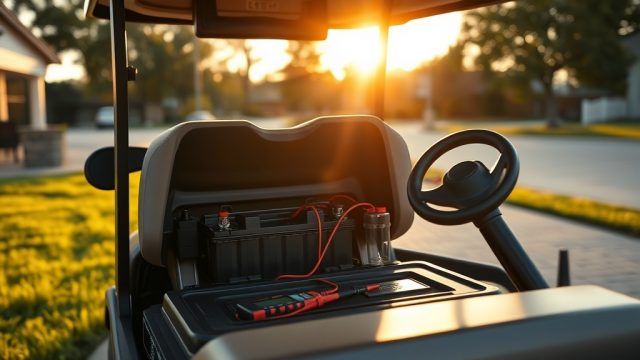
Why Is My Club Car Onward HP Losing Braking Power Under Load?
Owners of the Club Car Onward HP often report a gradual loss of stopping force when carrying passengers or climbing hills. This isn’t a sign of complete brake failure, but rather a symptom of component wear or fluid degradation. The braking system relies on hydraulic pressure generated by the master cylinder and transmitted through brake lines to wheel cylinders. Over time, brake fluid absorbs moisture, lowering its boiling point and creating vapor bubbles in the system. Under heavy load, these bubbles compress instead of transferring force, leading to a spongy pedal.
Another culprit is glazed brake pads. When pads overheat repeatedly—common in hilly terrain with a full cart—their friction material hardens, reducing grip. Inspect pads for a shiny, glass-like surface. If you see it, replace them with OEM-grade ceramics. Also check the brake fluid level; low fluid often points to a slow leak at a wheel cylinder or line. Use DOT 3 or 4 fluid (never silicon-based) and bleed the system to restore solid pedal feel. For a deeper dive into power-related issues, see Club Car Onward HP Gas vs Electric: Pros and Cons Compared.
What Causes the Parking Brake to Slip on My Club Car Onward HP?
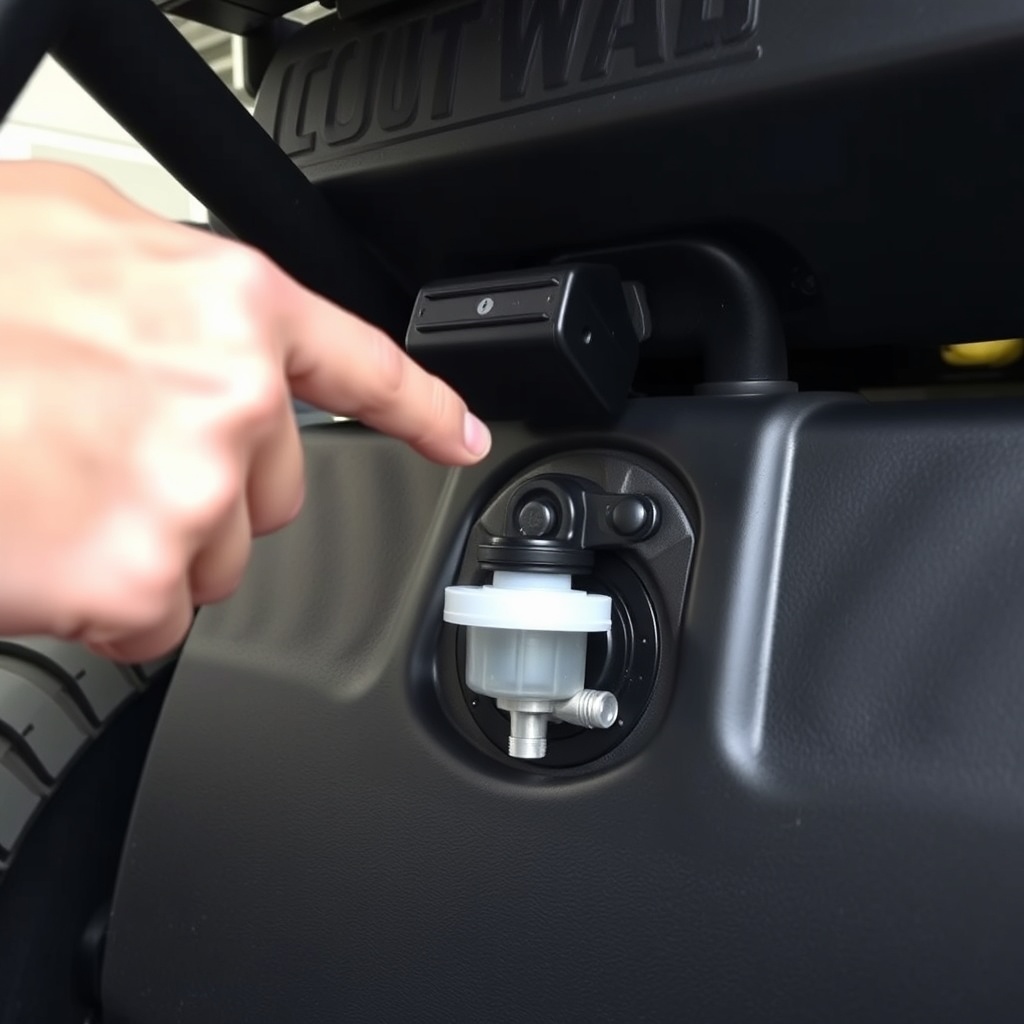
The parking brake on the Onward HP uses a mechanical cable system that tensions a lever at each rear wheel. When the foot pedal is depressed, it locks the driveline. Slippage occurs when the cable stretches beyond its adjustment tolerance or when the locking mechanism’s teeth wear down. If your cart rolls even after you engage the parking brake firmly, you’re likely dealing with cable stretch.
To fix this, locate the adjustment nut near the parking brake pedal assembly under the dash. Turn it clockwise in quarter-turn increments until the brake holds securely on a slight incline. If the cable feels loose even after adjustment, inspect the rear brake levers for rust or bending. Corroded levers fail to grip the brake drum fully. Replace the cable assembly if it shows fraying at the ends. Neglecting this can lead to dangerous rollaways, especially on slopes common at golf courses and community paths.
How Do I Fix a Club Car Onward HP That Stops Jerkily?
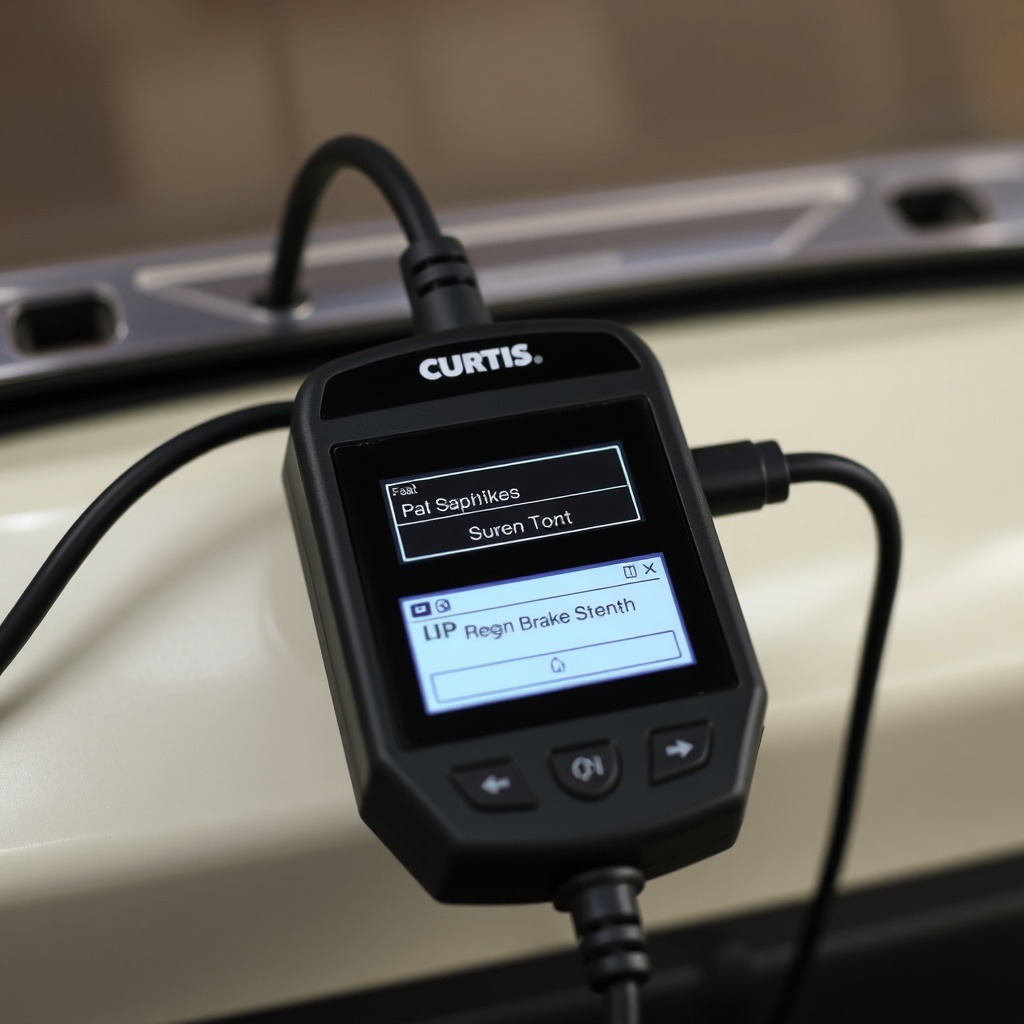
Jerky, abrupt stops are often mistaken for a brake issue, but the root cause frequently lies in the driveline or controller settings. For electric Onward HP models, aggressive regenerative braking can feel like someone slammed the brakes. This is adjustable via the Curtis controller. Connect a handheld programmer or use the dealer-only software to lower the regen strength parameter (typically set between 50% and 80% from factory).
For gas models, jerky stops may indicate a sticking brake shoe return spring or a warped brake drum. Drums warp from heat cycles, causing the shoe to grab and release rapidly. Measure drum runout with a dial indicator; if it exceeds 0.006 inch, replace the drum. Also check the brake pedal linkage for binding. Lubricate all pivot points with a lithium-based grease. If the issue persists, consider upgrading to a hydraulic disc conversion for linear braking feel. For more on performance upgrades, read Club Car Onward HP Customization: Top 10 Upgrades for Style and Performance.
Why Are My Club Car Onward HP Brakes Making a Grinding Noise?
Grinding noises are a clear indicator of metal-on-metal contact. This happens when brake linings wear down to the backing plate or when debris like gravel lodges between the pad and rotor/drum. Ignoring this can score the drum or rotor surfaces, requiring expensive replacements. For gas models with rear drum brakes, the wear indicator is a small tab that screeches when pads get low. Electric models often use a combination of drum and motor brake; the motor brake can also grind if its friction disc delaminates.
Immediately disassemble the wheel end on the affected side. Clean all components with brake cleaner. Look for shiny metal spots on the pad surface. Replace any pad with less than 3mm of friction material. For sealed drum systems, inspect the inside of the drum for grooves. If the drum wall thickness is below the manufacturer’s minimum (usually stamped on the drum), replace it. Reassemble with anti-seize on contact points. A high-quality ceramic pad set will reduce noise and last longer than organic pads. For preventative care, see Club Car Onward HP Troubleshooting: Common Battery Issues and Fixes if you suspect electrical factors.
What Should I Check When the Brake Pedal Goes to the Floor?
A pedal that sinks to the floor without resistance indicates hydraulic failure—either a leak, air in the lines, or a faulty master cylinder. On the Club Car Onward HP, the most common failure is at the rear wheel cylinders. Rust builds up inside the cylinder bore, causing seals to blow. Check the inner side of each rear wheel for wet residue. Do not drive the vehicle until this is resolved.
Replace both rear wheel cylinders at the same time if one leaks; they wear equally. Bench-bleed the master cylinder before installation. Use a pressure bleeder to push fresh fluid through the system, removing all air pockets. Torque the bleeder valves to 6-8 Nm. If the pedal remains soft, the master cylinder bypassing internally—replace it. A complete hydraulic overhaul costs between $150 and $300 in parts for the Onward HP. Most owners can do this in a driveway with basic tools in 2-3 hours.
| Symptom | Likely Cause | Severity Level | Estimated Repair Cost (£) |
|---|---|---|---|
| Spongy pedal under load | Air in fluid / glazed pads | Moderate | $40–$120 |
| Parking brake slips | Cable stretch | Low | $15–$50 |
| Jerky stops | Regen setting / warped drum | Moderate | $50–$200 |
| Grinding noise | Worn pads / debris | High | $80–$250 |
| Pedal to floor | Fluid leak / master cylinder failure | Critical | $150–$350 |
How Do I Adjust the Brake Regen on an Electric Club Car Onward HP?
Regenerative braking on electric Onward HP models harvests energy and slows the cart when the accelerator is released. If it feels too aggressive—causing jolts when you lift off the pedal—you can fine-tune it. Access the Curtis 1313 handheld programmer or equivalent. Navigate to the “Controller Setup” menu, find parameter Regen Brake Strength, and reduce it in 10% increments. Start at 60% for smooth stops. Some aftermarket controllers allow adjusting this via a smartphone app.
If you don’t have a programmer, visit a Club Car dealer (typical cost $75 for a reprogram). Never set regen to 0%—this disables automatic braking on hills and increases pad wear. Pair this adjustment with upgrading to larger brake shoes for improved holding power on steep grades. For accessory suggestions, check Club Car Onward HP Accessories Guide: Must-Have Add-Ons for Comfort and Utility.
What Owners Say
Real-world feedback from Onward HP owners on golf forums and YouTube reveals three common themes. First, many praise the hydraulic disc brake conversion kit from aftermarket suppliers. “My 2023 Onward HP had spongy drums from day one,” says user @FairwayFixer. “Swapped to disc brakes, and now it stops on a dime.” Second, gas model owners frequently complain about parking brake cable corrosion after winter storage. “WD-40 helps, but replacing the cable every two years is the real fix,” notes @GasCartGuru.
Third, electric owners appreciate the regen adjustment but wish it were a dashboard switch. “My neighbor’s newer cart has a regen toggle. Why can’t I adjust it without a dealer?” asks @EVrider22. Overall, the braking system is reliable but requires proactive maintenance, especially in humid or salty environments. Most DIY owners spend $30–100 annually on brake pads and fluid changes. For more feedback on choosing between gas and electric, see Club Car Onward HP Gas vs Electric: Pros and Cons Compared.
Frequently Asked Questions
How often should I change brake fluid on a Club Car Onward HP?
Every two years or 5,000 miles, whichever comes first. Moisture absorption degrades performance. Use DOT 3 or 4 fluid for non-ABS systems.
Can I adjust the brake pedal height on my Onward HP?
Yes. The pedal stop bolt under the dash can be turned to raise or lower pedal height. Ensure at least 1 inch of free play before resistance is felt.
Why do my brakes smell like burning plastic?
Overheating from dragging brakes or riding the pedal. Check for a stuck caliper or brake shoe return spring. Also ensure the parking brake is fully released.
Are ceramic brake pads worth the extra cost for the Club Car Onward HP?
Yes. Ceramic pads cost about $40–$60 per set (vs. $20 for organic) but reduce dust, noise, and last up to 50% longer. They’re ideal if you drive on paved roads.
What tools are needed to bleed brakes on an Onward HP?
A box-end wrench (usually 3/8 inch), clear tubing, a catch bottle, and fresh brake fluid. A pressure bleeder simplifies the job but isn’t mandatory.
Should I replace both sides when doing brake work?
Always replace pads, shoes, or drums in axle pairs. Uneven wear leads to pulling during stops. Replace fluid and bleed both sides for consistent feel.