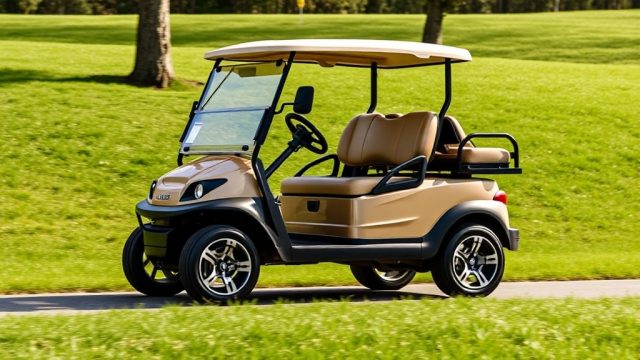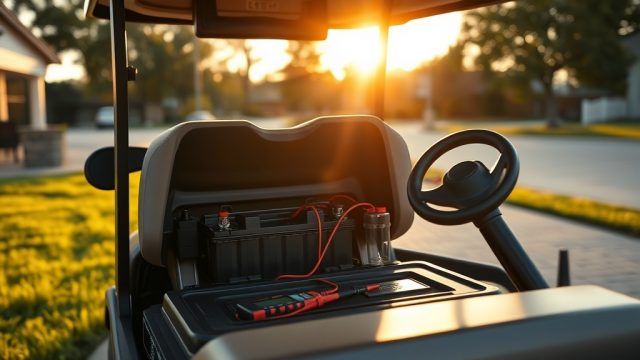
Why Does the Yamaha Drive2 PTV Braking System Need Upgrades?
Owners of the Yamaha Drive2 PTV often notice that the stock braking system, while adequate for gentle neighborhood cruising, struggles under heavier loads, steeper terrain, or when the cart is equipped with aftermarket accessories. The factory drum brakes are prone to fade after repeated stops, and the pedal feel can become spongy as components wear. Upgrading the braking system not only improves safety—reducing stopping distances by up to 30% in some cases—but also enhances overall driving confidence, especially when the cart is used for golf course duty or off-road excursions.
How Do Disc Brake Conversion Kits Improve Stopping Power?
Converting the rear drum brakes to a disc brake setup is the most effective upgrade for the Yamaha Drive2 PTV. Disc brakes dissipate heat much better than drums, virtually eliminating brake fade during repeated stops from moderate speeds. Kits typically include a hub adapter, caliper bracket, stainless steel brake lines, and vented rotors. A quality conversion kit from brands like Jakes or Allsports costs between $350 and $550 AUD, plus installation. The pedal feel becomes firmer and more linear, allowing finer modulation. Drivers report that the cart stops confidently on wet grass or gravel, a major improvement over the factory setup.
Before purchasing, verify that the kit is compatible with your Drive2’s axle configuration—some carts built after 2017 use a different hub spline pattern. Also, consider upgrading the front brakes with high-friction pads if retaining drums; combine this with a rear disc kit for balanced performance.
What Are the Signs of Worn Brake Cables and How Do They Affect Safety?
Brake cables are often overlooked until they snap. On the Yamaha Drive2 PTV, cables can stretch, rust internally, or fray at the pivot points. Symptoms include a brake pedal that goes nearly to the floor before engaging, uneven braking that pulls the cart to one side, or a grinding noise when stopping. A failed cable can leave you without brakes mid-drive. Inspect cables every 6 months—look for kinks, rust, or missing plastic sheathing. Replacement cables cost around $40 to $70 AUD each, and it’s wise to replace both sides as a set. Adjust the cable tension at the equalizer bar after installation to remove slack.
If you’re also noticing steering wobble or vibration, check the Yamaha Drive2 PTV Suspension Upgrades: Enhance Comfort and Control article for suspension-related issues that can mimic brake problems.
Which Brake Fluid and Bleeding Procedure Should Owners Follow?
The Yamaha Drive2 PTV uses DOT 3 or DOT 4 brake fluid in hydraulic brake systems, but many owners don’t realize that fluid absorbs moisture over time, leading to corrosion and a spongy pedal. For best results, flush the system with fresh DOT 4 fluid every two years. Use a high-quality synthetic fluid like Prestone DOT 4, costing about $15 AUD per 500ml bottle. The bleeding process is straightforward: start at the wheel farthest from the master cylinder (driver’s rear), then work closer. Use a one-person bleeder kit or a second person to pump and hold the pedal. Never reuse old fluid—water contamination lowers the boiling point drastically.
For electric Drive2 PTV models, the master cylinder is located under the driver’s seat. Remove the black plastic cover, then use a 10mm wrench to loosen the bleed screws. Torque the screws to 8 Nm to avoid stripping. If you notice persistent air in the lines, inspect the Yamaha Drive2 PTV Troubleshooting: Common Suspension Issues and Fixes for unrelated but common binding problems.
Can Upgraded Brake Pads and Shoes Make a Noticeable Difference?
Yes. The standard organic brake pads and shoes prioritize quiet operation but sacrifice stopping power under heat. Switching to semi-metallic or ceramic pads provides better bite and longer life. For rear drum brakes, Kevlar-lined shoes reduce dust and improve fade resistance. Expect to pay $60 to $90 AUD per set for premium pads. Ceramic pads are slightly more expensive but produce less dust and operate more quietly than semi-metallics. Pair them with slotted or drilled rotors (if disc) to improve water dispersal. Always bed in new pads with 20 gentle stops from 15 mph to mate the friction material to the rotor surface.
If you’re also installing a lift kit for larger tires, upgraded pads become critical because bigger wheels add rotational mass and require more braking force. Check the Yamaha Drive2 PTV Accessories Guide: Must-Have Add-Ons for Comfort and Utility for compatible tire and wheel upgrades.
How Does Brake Maintenance Fit Into Overall Cart Care?
Brake neglect accelerates wear on other components. For example, a sticking caliper can cause uneven tire wear and strain the differential. Incorporate brake inspection into your regular maintenance schedule: clean and lubricate slide pins annually, check pad thickness, and verify that the parking brake holds on a 15% grade. Use a digital caliper to measure rotor thickness—replace rotors if they are below the minimum stamped on the hat. Lithium grease on pivot points prevents corrosion, but keep grease off friction surfaces.
Battery health is equally crucial for electric Drive2 models; a weak battery can affect regenerative braking systems on some variants. Read the Yamaha Drive2 PTV Battery Maintenance: Extend Your Battery Life guide to keep your power system in top shape. For seasonal storage, the Yamaha Drive2 PTV Winterizing and Storage Tips: Protect Your Investment article covers brake system prep to prevent moisture damage.
| Component | Upgrade Type | Cost (AUD) | Difficulty | Safety Impact |
|---|---|---|---|---|
| Rear Disc Brake Kit | Conversion | $350–550 | Moderate (3/5) | High (reduces fade 80%) |
| Brake Cables (pair) | Replacement | $80–140 | Easy (2/5) | Critical |
| Ceramic Brake Pads | Pad Upgrade | $60–90 | Easy (2/5) | Medium |
| Stainless Steel Brake Lines | Line Upgrade | $40–60 | Moderate (3/5) | Medium (firmer pedal) |
| Brake Fluid Flush (DIY) | Maintenance | $15–30 | Easy (2/5) | High (prevents corrosion) |
What Owners Say About Brake Upgrades
Owners on golf cart forums frequently sing the praises of disc brake conversions. One user from Queensland noted, “After fitting a Jakes rear disc kit to my 2019 Drive2, I can stop on a dime going down a steep cart path. No more smoke smell from the drums.” Another owner in Victoria mentioned, “I upgraded to ceramic pads on stock drums—cost me $75 and took an hour. The pedal feel improved dramatically, and dust no longer covers my rims.” Several owners caution against cheap generic cables, which can stretch after a few months. The consensus is that spending $200-300 AUD on a comprehensive brake refresh transforms the driving experience, especially for cart owners who frequently carry passengers or gear.
However, some owners note that stubborn drum brake shoes can be tricky to adjust—a common DIY frustration. A few recommend replacing the entire backing plate assembly if the drums are grooved. Overall, the feedback is overwhelmingly positive, with many planning to add front disc conversions in the future.
Frequently Asked Questions
1. How often should I replace brake pads on my Yamaha Drive2 PTV?
Inspect pads every 1,000 miles or annually. Replace when the friction material is less than 3mm thick. Heavy use (hills, off-road) may require replacement every 6–12 months.
2. Can I use DOT 5 brake fluid in my Drive2 PTV?
No. DOT 5 is silicone-based and will damage the rubber seals in the system. Stick with DOT 3 or DOT 4. Do not mix types.
3. Why does my Drive2 PTV brake pedal feel spongy after an upgrade?
Most likely air in the hydraulic lines. Bleed the system thoroughly, starting at the farthest wheel. Also check for loose banjo bolts at the caliper or master cylinder.
4. Are disc brake conversions street legal in Australia?
Yes, as long as the components are compliant with Australian Design Rules for golf carts and low-speed vehicles. Use kits from reputable manufacturers and keep receipts for any modifications.
5. My parking brake won’t hold on a hill—what should I do?
Adjust the cable tension at the equalizer bar under the rear bumper. If the shoes are worn, replace them. On disc conversions, the parking brake mechanism is separate—inspect the linkage regularly.
6. Can upgrading brakes affect my cart’s warranty?
Aftermarket brake parts may void coverage for the braking system itself, but typically do not affect the powertrain or chassis warranty. If under factory warranty, consult your dealer before making changes.