What Makes the Yamaha Drive2 PTV Suspension Worth Upgrading?
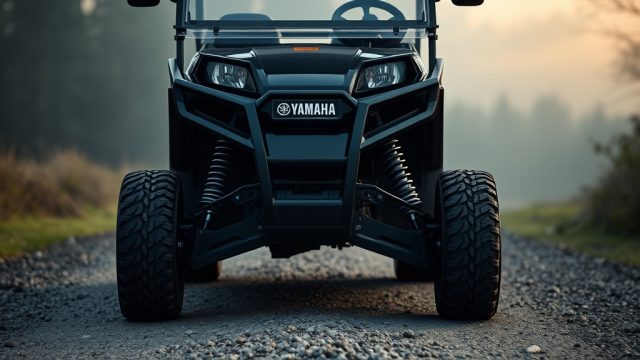
The Yamaha Drive2 PTV is already a capable personal transport vehicle, known for its smooth operation and versatile design. However, many owners find that the stock suspension, while adequate for flat golf courses, can feel stiff or unsettled on uneven terrain, gravel paths, or during daily use on paved roads. Upgrading the suspension transforms the Drive2 PTV from a good vehicle into an exceptional one, offering superior ride comfort, improved stability, and greater control at various speeds. For those weighing powertrain options, the suspension upgrade can complement either choice, as detailed in our comparison of Yamaha Drive2 PTV Gas vs Electric.
How Do Lifted Suspension Kits Improve the Yamaha Drive2 PTV?
A lifted suspension kit is one of the most transformative upgrades for the Drive2 PTV. By raising the vehicle’s ride height by 2 to 4 inches, it provides greater ground clearance for navigating rough terrain, trails, or off-road conditions. This not only prevents undercarriage damage but also allows for larger, more aggressive tires that enhance traction. The improved approach and departure angles make the PTV more capable on inclines and declines. Most kits include heavy-duty coil springs, adjustable shocks, and reinforced brackets to maintain alignment. Owners who pair this with a Yamaha Drive2 PTV Gas vs Electric setup often find the added weight of the gas model benefits from the stiffer suspension components. Installation requires mechanical skill, costing between $600 and $1,200 for a quality kit, with labor adding $200 to $400 if professionally installed.
What Are the Best Aftermarket Shocks for the Drive2 PTV?
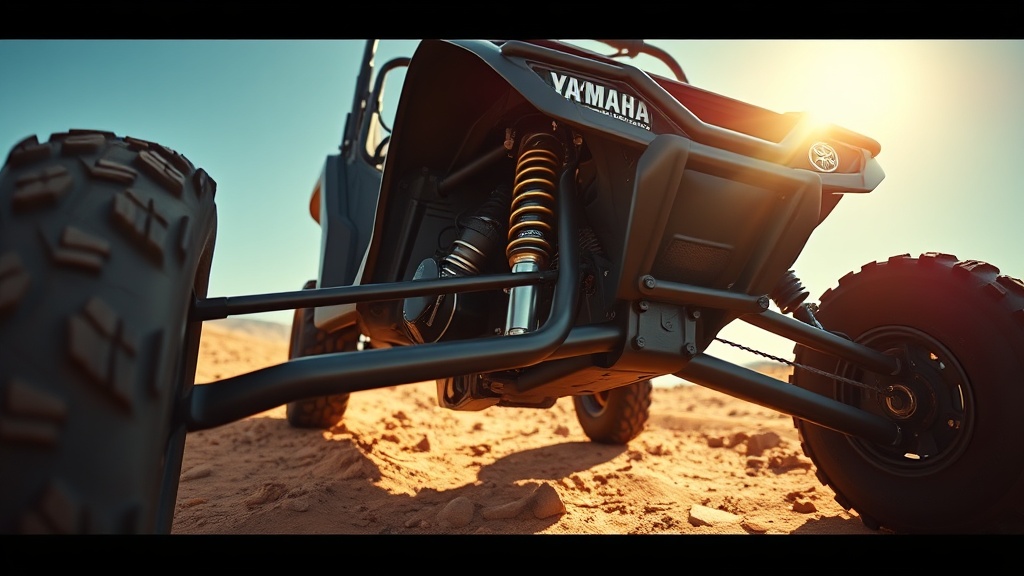
Selecting the right shocks is critical for tuning the Drive2 PTV’s ride quality. For comfort-focused upgrades, gas-charged hydraulic shocks from brands like Monroe or Gabriel provide a supple feel without sacrificing control. For utility or off-road use, adjustable coil-over shocks from companies like Jakes or All Sports allow fine-tuning of compression and rebound damping. A popular choice is the adjustable nitrogen-charged shock, which offers consistent performance across temperature ranges. Below is a specification comparison of three top options:
| Shock Model | Type | Adjustability | Travel (inches) | Price Range (USD) |
|---|---|---|---|---|
| Monroe Gas-Magnum | Gas-charged hydraulic | None | 4.5 | $45–$65 per pair |
| All Sports Coil-Over | Adjustable coil-over | 12-way rebound | 6.0 | $180–$250 per pair |
| Jakes Long Travel | Long travel nitrogen | 8-way compression | 7.5 | $350–$500 per pair |
Choosing the right shocks depends on your primary use. For daily neighborhood driving, the Monroe units provide excellent value. For trail riding or towing, the All Sports or Jakes models deliver durability and adjustability. Always verify fitment for your specific Drive2 PTV year model.
Does Adding a Rear Seat Affect Suspension Needs?
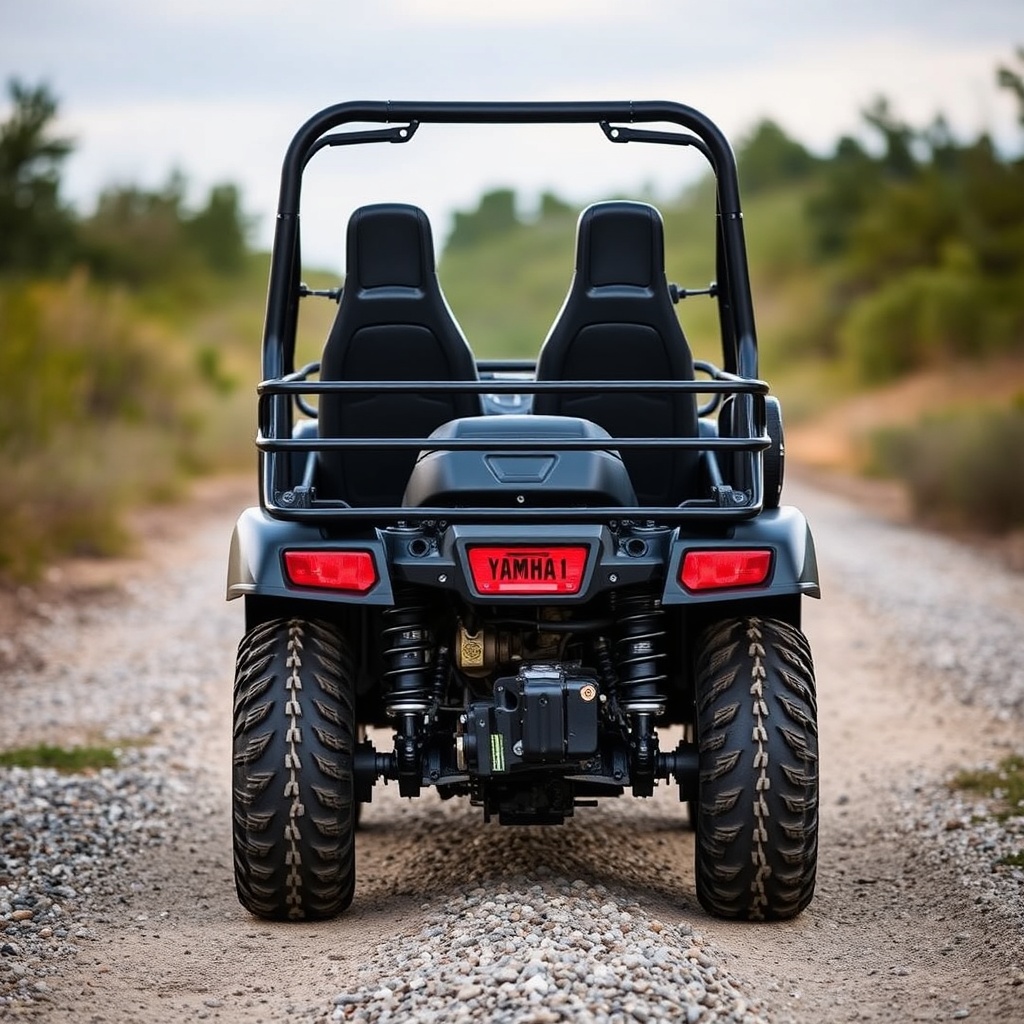
Absolutely. Equipping the Yamaha Drive2 PTV with a rear seat kit—often aftermarket—significantly increases the vehicle’s payload and shifts weight distribution. The stock springs and shocks are not designed for the additional 200–400 pounds of passengers and gear. Without upgrades, the vehicle sags, reducing ground clearance and causing bottoming out over bumps. The solution is to install heavy-duty rear leaf springs or air springs that raise the vehicle to a level ride height. Many owners pair this with adjustable shocks to fine-tune the ride. A spring upgrade kit costs between $150 and $300, while a complete rear suspension overhaul can run $400 to $700. This investment ensures passenger safety and comfort, especially when Yamaha Drive2 PTV Gas vs Electric considerations affect weight distribution—gas models are heavier upfront, which helps balance rear loads.
How Do Tires and Wheels Impact Suspension Performance?
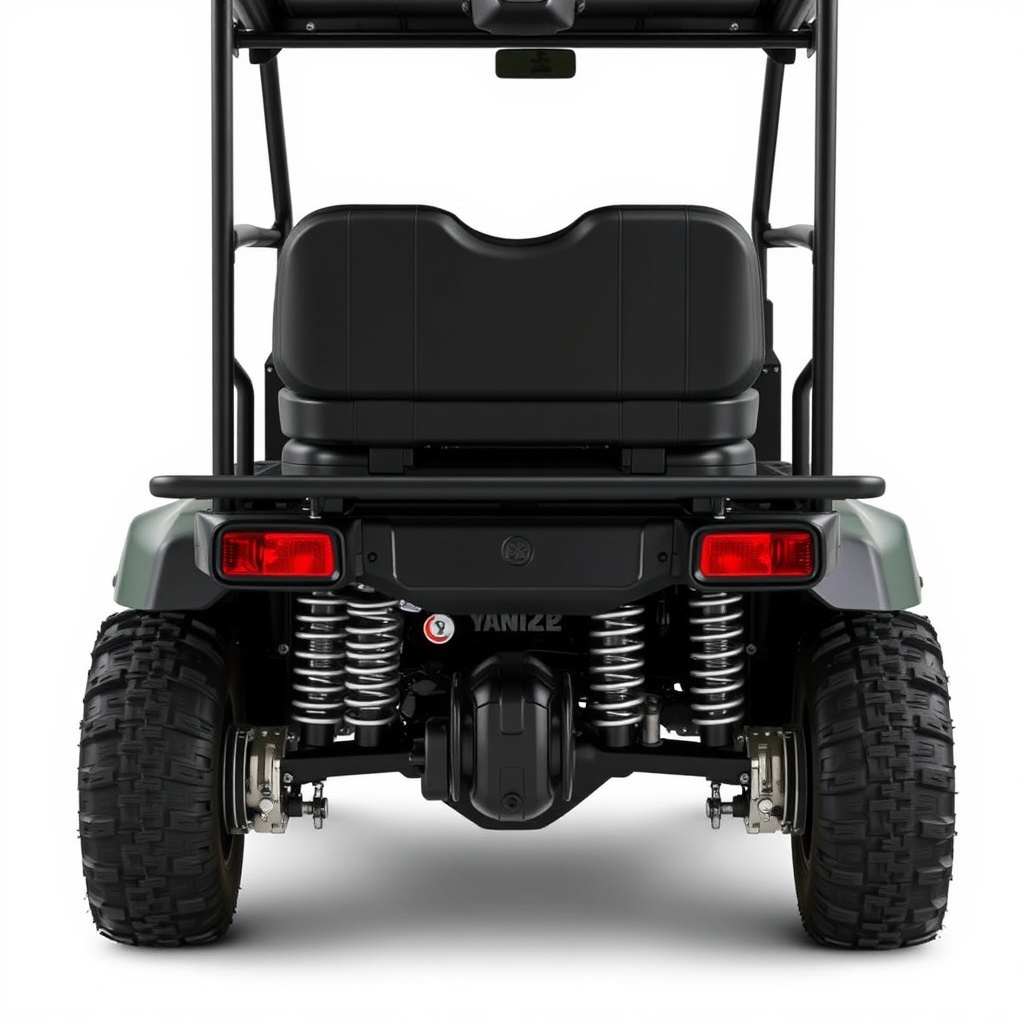
Tires and wheels are an often-overlooked component of the suspension system. The Yamaha Drive2 PTV comes with standard 18-inch or 20-inch street tires, which prioritize low rolling resistance and quiet operation. However, upgrading to larger diameter tires (up to 23 or 25 inches) with more aggressive tread patterns dramatically improves grip on loose surfaces. The trade-off is increased unsprung weight and altered geometry, which overloads stock shocks. To compensate, a lift kit is necessary for clearance, and upgraded shocks with higher damping forces are recommended. Wheel offset also matters—wider wheels (10 to 12 inches) can cause rubbing without proper clearance. A quality tire and wheel package with matching suspension costs $800 to $1,500. For gas-powered units, the extra engine weight can cause additional sag, so adjustment of the Yamaha Drive2 PTV Gas vs Electric suspension setup is crucial.
What Owners Say
Owners who have upgraded their Drive2 PTV suspension consistently report a night-and-day difference in ride quality. Many mention that the vehicle no longer feels like a “shopping cart on bumpy roads.” Those who installed 3-inch lift kits with coil-over shocks describe feeling more confident on steep inclines and over ruts. A common tip from forums is to replace bushings and ball joints during the suspension upgrade, as these wear out on older units. Several owners noted that after upgrading, the vehicle tracked straighter at higher speeds and reduced driver fatigue on longer trips. The most common regret is not upgrading sooner, particularly for those who frequently carry passengers or tackle varied terrain.
Frequently Asked Questions
Can I lift my Yamaha Drive2 PTV without changing shocks?
It is not recommended. A lift kit raises the vehicle’s center of gravity, and stock shocks lack the travel and damping to handle the new geometry, leading to poor handling and premature wear. Always pair a lift with appropriate shocks.
How much does a full suspension upgrade cost?
A complete upgrade—including lift kit, shocks, springs, and bushings—ranges from $1,000 to $2,500 for parts, with labor potentially adding $300 to $600. High-end setups for off-road use can exceed $3,500.
Will upgraded suspension void my warranty?
Yes, aftermarket suspension modifications can void certain warranty coverage on the drivetrain and chassis components. Check with your dealer or warranty provider before proceeding.
How do I know if my Drive2 PTV needs new shocks?
Signs include excessive bouncing after bumps, nose diving during braking, uneven tire wear, and fluid leaks on the shock body. If the vehicle feels “floaty” or unstable at 15 mph, replacement is overdue.
Can I install suspension upgrades myself?
Intermediate mechanical skills are required. Tasks include compressing springs, removing bolts under tension, and aligning the vehicle. With a good socket set, jack, and spring compressor, DIY is possible. Otherwise, professional installation costs $200–$400.
What is the best tire pressure for upgraded suspension?
For stock tires, use the sidewall rating, typically 20–22 psi. For larger tires with a lift, start at 18 psi and adjust based on tire wear and ride comfort. Lower pressure improves traction on soft terrain but increases rolling resistance.