Introduction
When shopping for a premium utility vehicle that balances power, comfort, and versatility, the Club Car Onward HP stands out as a top contender in the golf cart market. This buying guide will walk through critical considerations before purchasing, from performance metrics to customization potential, helping buyers make an informed decision. Whether used for neighborhood cruising, light hauling, or off-course adventures, understanding the Onward HP’s specifications and real-world feedback is essential.
What Is the Club Car Onward HP and Who Is It For?
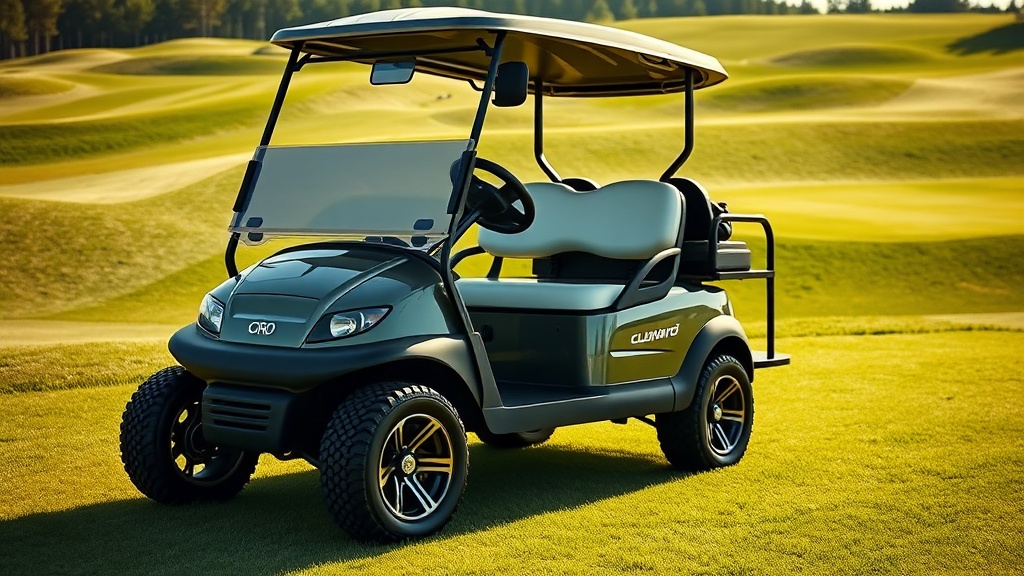
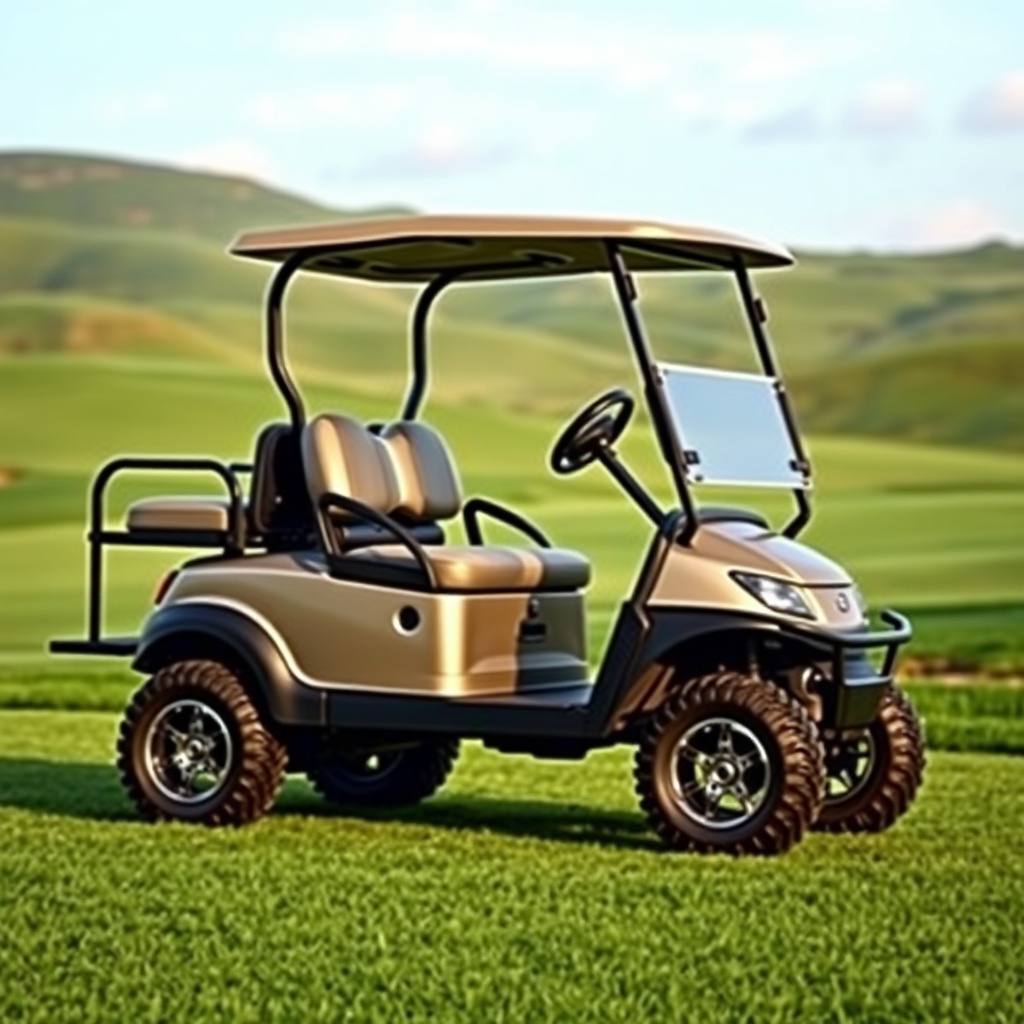
The Club Car Onward HP is a high-performance variant of the popular Onward line, designed for drivers seeking enhanced speed and torque without sacrificing ride quality. It targets golf course managers, residential communities, farm owners, and recreational enthusiasts who need a robust vehicle for uneven terrain. With a top speed of 19–22 mph (depending on configuration) and a 48-volt AC drivetrain, the Onward HP delivers a noticeable upgrade over standard models.
Key ideal users include:
- Golf course maintenance crews hauling equipment
- Resort and gated community security patrollers
- Hobbyists wanting a trail-ready electric cart
- Small business owners for light deliveries on private property
Before purchase, assess whether the HP model’s extra power justifies the price premium over the base Onward or competitor gas carts.
How Does the Onward HP’s Performance Compare to Competitors?
Performance is the primary differentiator. The Onward HP uses a 5 kW AC motor paired with a Curtis controller and high-capacity batteries (either 8x6V flooded lead-acid or optional 4x12V AGM/Lithium). This setup delivers 27% more torque than the standard Onward, climbing 30% grades effortlessly. In contrast, gas-powered rivals like the Yamaha Drive2 Adventurer offer similar torque but require fuel and maintenance.
A head-to-head spec comparison clarifies the choices:
| Specification | Club Car Onward HP | Yamaha Drive2 Adventurer (Electric) | EZGO RXV Elite (Electric) |
|---|---|---|---|
| Motor Power | 5 kW AC | 3.5 kW AC | 4 kW AC |
| Top Speed (mph) | 19–22 | 14–18 | 17–19 |
| Torque (lb-ft) | 45 | 32 | 38 |
| Battery Capacity | 48V 225 Ah (flooded) | 48V 170 Ah | 48V 210 Ah |
| Range (miles) | 35–45 | 30–40 | 25–35 |
| Starting Price (USD) | $9,500 | $8,200 | $8,800 |
The Onward HP clearly leads in torque and range, though its higher price may steer budget-conscious buyers toward Yamaha or EZGO. For those needing consistent hill-climbing ability, the HP’s AC motor option is a standout.
What Battery and Charging Options Should I Consider?
Battery choice impacts performance, longevity, and cost. The standard Onward HP comes with flooded lead-acid batteries (8x6V), which require regular Club Car Onward HP Battery Maintenance: Extend Your Battery Life (watering, cleaning terminals, equalization charges). For reduced maintenance, AGM (absorbent glass mat) batteries or lithium-ion upgrades are available at extra cost.
Charging options include a 48V smart charger (approximately $450–$600 USD) that automatically shuts off at full charge. Lithium batteries, though expensive ($3,500+ USD), offer 50% less weight, faster charging (3–4 hours vs. 8–10 hours for flooded), and a lifespan of 2,000+ cycles vs. 500–600 for flooded. This trade-off is crucial for heavy daily use.
For buyers in colder climates, flooded batteries lose capacity below 40°F; AGM or lithium perform better. Consider your local weather and charging infrastructure before deciding.
Which Tires and Suspension Upgrades Are Worth It?
Standard Onward HP tires are 18×8.5-8 all-season tires, adequate for pavement and light grass. However, owners tackling rough trails or snow often upgrade. The model accommodates 22-inch off-road tires with appropriate lift kits, but this may reduce range by 10–15%. For comfort on uneven turf, Club Car Onward HP Suspension Upgrades: Enhance Comfort and Control are popular, featuring heavy-duty leaf springs or air-adjustable rear shocks (starting at $250–$400 USD per component).
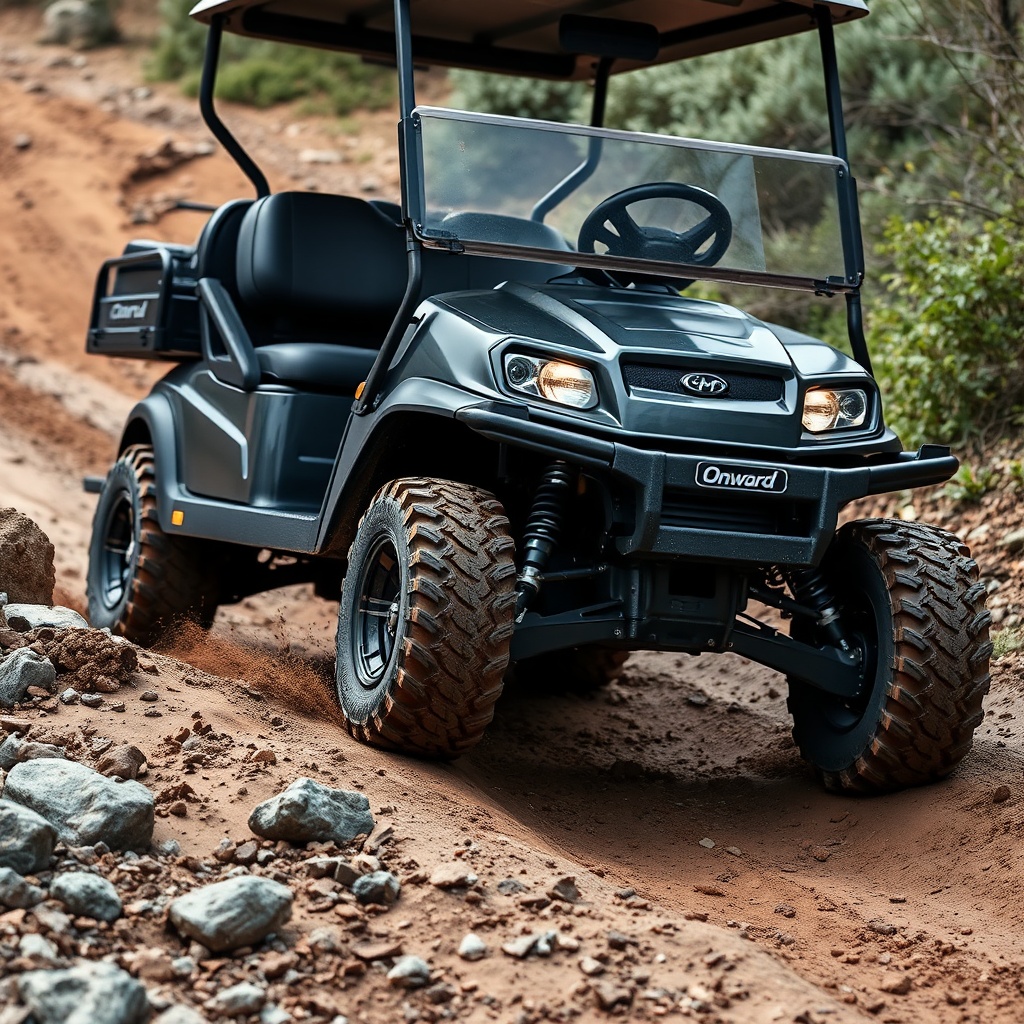
Tire upgrades like those from Club Car Onward HP Tire Upgrades: Improve Grip and Ride Quality can cost $300–$800 USD for a set of four. For primarily pavement use, stick with stock tires to maintain efficiency. Mud or snow terrain demands aggressive tread. Lift kits (2–6 inches) are available from third-party suppliers for $200–$600 USD, but installation labor adds $100–$200.
What Customization Options Are Available for Style and Performance?
The Onward HP is highly customizable. Popular modifications include carbon fiber dash panels, upgraded seats with marine-grade vinyl, LED lighting packages (underbody and headlights), and Club Car Onward HP Steering Wheel Upgrades: Style and Comfort (aftermarket steering wheels, from $80–$250 USD). For power, programmers (e.g., Alltrax XCT) can increase top speed to 25–28 mph, though this voids warranty and may stress the motor.
Budget for customizations: a full “show” package (stereo, LED doors, steering wheel, seat covers) can run $1,500–$4,000 USD. Performance-oriented upgrades like a new controller (approximately $450 USD) or lithium conversion ($3,500 USD) are more focused investments. Consult Club Car Onward HP Customization: Top 10 Upgrades for Style and Performance for a complete list.
What Do Owners Say About the Club Car Onward HP?
Owner feedback highlights the HP’s strong build quality and responsive torque. John from Florida praises: “After 18 months, the all-wheel disc brakes remain crisp, and the 22-mph top speed is great for our golf course hills.” Some owners note that the stock tires wear quickly on hard pavement—around 1,000–1,500 miles—and recommend the before-mentioned tire upgrades. The lithium battery option receives frequent praise for low maintenance. However, a few report that the suspension feels stiff on rough roads without aftermarket shocks.
Common praise points: quiet operation (electric), ease of maintenance (compared to gas), and spacious seating for 4 adults plus cargo. Criticisms include the high price of lithium upgrades and occasional reliability glitches with the charger interface. Overall, satisfaction ratings average 4.4 out of 5 across golf cart forums.
Frequently Asked Questions
1. Is the Club Car Onward HP street legal?
In many US states, the Onward HP is LSV (low-speed vehicle) legal when equipped with headlights, taillights, turn signals, seat belts, and a VIN. Check local DMV rules; top speed regulation is 25 mph in most jurisdictions.
2. How much does a new Onward HP cost in (USD)?
New prices range from $9,500 for the base model to $15,000+ for fully loaded versions with lithium battery, stereo, and premium paint. Used models (2–3 years old) sell for $6,000–$8,500.
3. What is the towing capacity of the Onward HP?
With appropriate hitch and wiring, the Onward HP can tow up to 1,000 pounds on level ground. For heavier loads, reduce speed and monitor battery drain. Exceeding recommended capacity may void warranty.
4. How long does the battery last per charge?
With flooded lead-acid, expect 35–45 miles under normal use (mixed terrain, moderate inclines). Lithium versions achieve 40–50 miles due to lower weight and deeper discharge capability.
5. Can I upgrade to lithium batteries after purchase?
Yes. Aftermarket lithium kits (e.g., from Dakota Lithium or Battle Born) are available for approximately $2,000–$4,000 USD. Ensure compatibility with your controller and charging system. Battery management system integration is critical.
6. What engine issues do owners commonly report?
Since the Onward HP is electric, engine issues are rare. Common problems involve solenoid failure, wiring corrosion, or controller faults. Refer to Club Car Onward HP Troubleshooting: Common Engine Issues and Fixes for detailed diagnostics.