Club Car Onward HP Gas vs Electric: Pros and Cons Compared
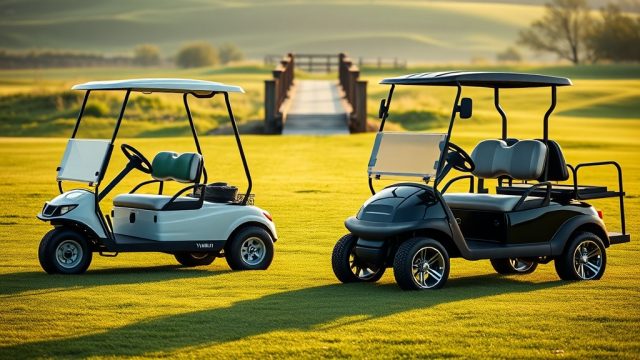
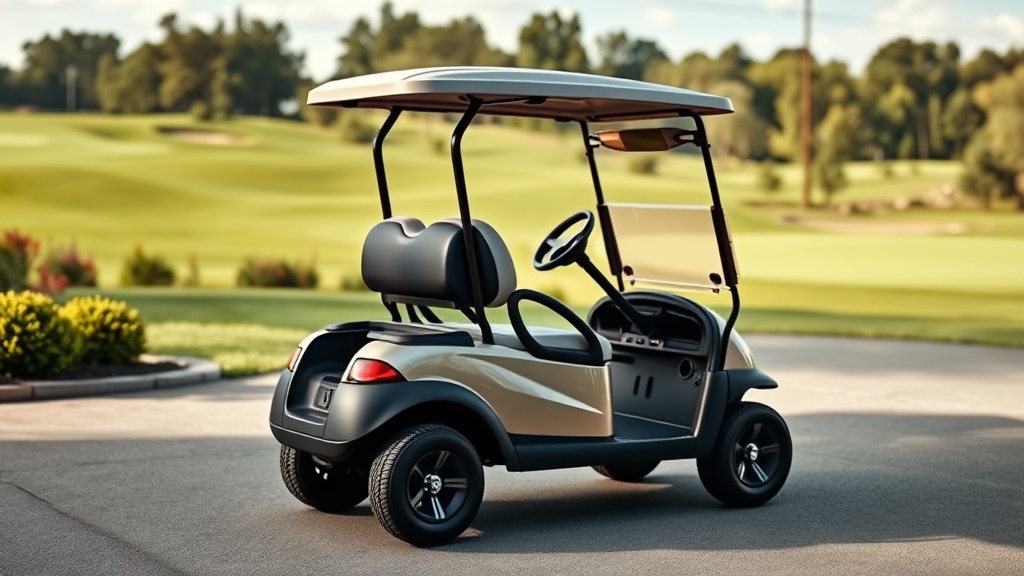
The Club Car Onward HP stands out as a premium personal transportation vehicle, offering a choice between a gasoline-powered engine and an electric drivetrain. Both variants deliver impressive power and durability, but they cater to different needs, terrains, and maintenance preferences. This comparison breaks down the key differences in performance, cost, and usability to help buyers decide which version fits their lifestyle. Whether traversing a golf course, a large property, or a neighborhood, understanding the trade-offs is essential for a smart investment.
What are the upfront cost differences between gas and electric Onward HP models?
The initial purchase price varies noticeably between the two powertrains. The Club Car Onward HP gas model typically starts around $11,500 USD, while the electric version begins at approximately $12,000 USD. This $500 difference is due to the cost of the battery pack and the electronic controller in the electric model. However, gas models often include a premium for the engine and exhaust system, so the gap can shrink depending on dealer pricing and region. It is worth checking local incentives, as some areas offer tax credits for electric vehicles, which could lower the electric model’s effective price. For a detailed breakdown of factors affecting purchase decisions, see the Club Car Onward HP Buying Guide: Essential Factors to Consider.
In the table below, we compare the key cost metrics for each model.
| Cost Factor | Club Car Onward HP Gas | Club Car Onward HP Electric |
|---|---|---|
| Base MSRP (USD) | $11,500 | $12,000 |
| Federal/State Incentives | None | Up to $1,500 (varies) |
| Average Annual Fuel/Energy | $600 (gasoline) | $250 (electricity) |
| Typical Battery Replacement | $0 (engine replacement ~$2,000 after 8-10 yrs) | $1,500 (after 5-7 yrs) |
| Resale Value (5-year) | 55-65% of MSRP | 50-60% of MSRP |
How does performance compare on hills and rough terrain?
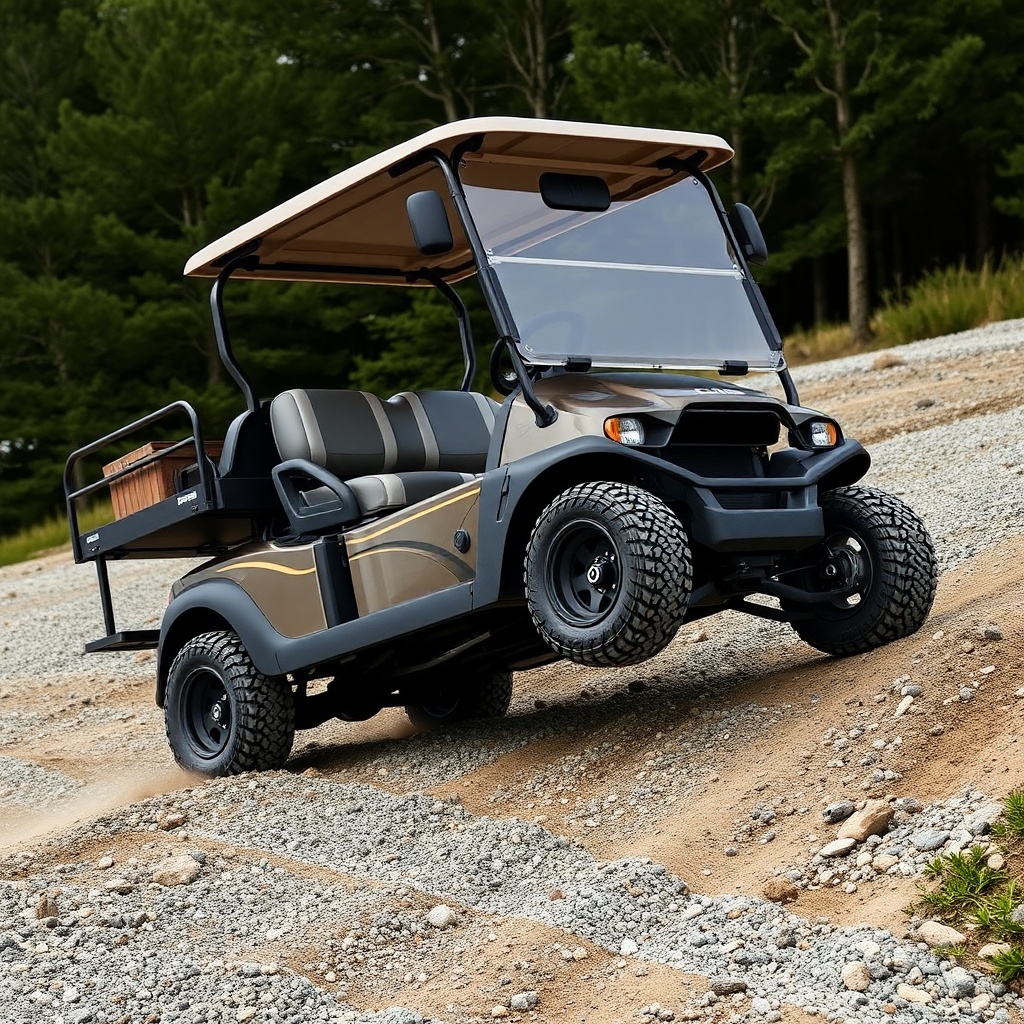
The gas-powered Onward HP, equipped with a 14-horsepower EFI engine, delivers consistent torque across a wide RPM range. This makes it excellent for climbing steep hills and handling unpaved paths, as the engine maintains power without degradation over long distances. The electric version, with its instant torque from a permanent magnet motor, offers snappy acceleration from a standstill—ideal for quick starts on flat ground. However, on extended steep grades, the electric motor can draw significant battery power, reducing range. The gas model shines in remote areas or courses with significant elevation changes, as refueling is quick and requires no charging infrastructure. For maintenance issues related to suspension on both models, refer to Club Car Onward HP Troubleshooting: Common Suspension Issues and Fixes.
What is the real-world range and refueling/recharging time?
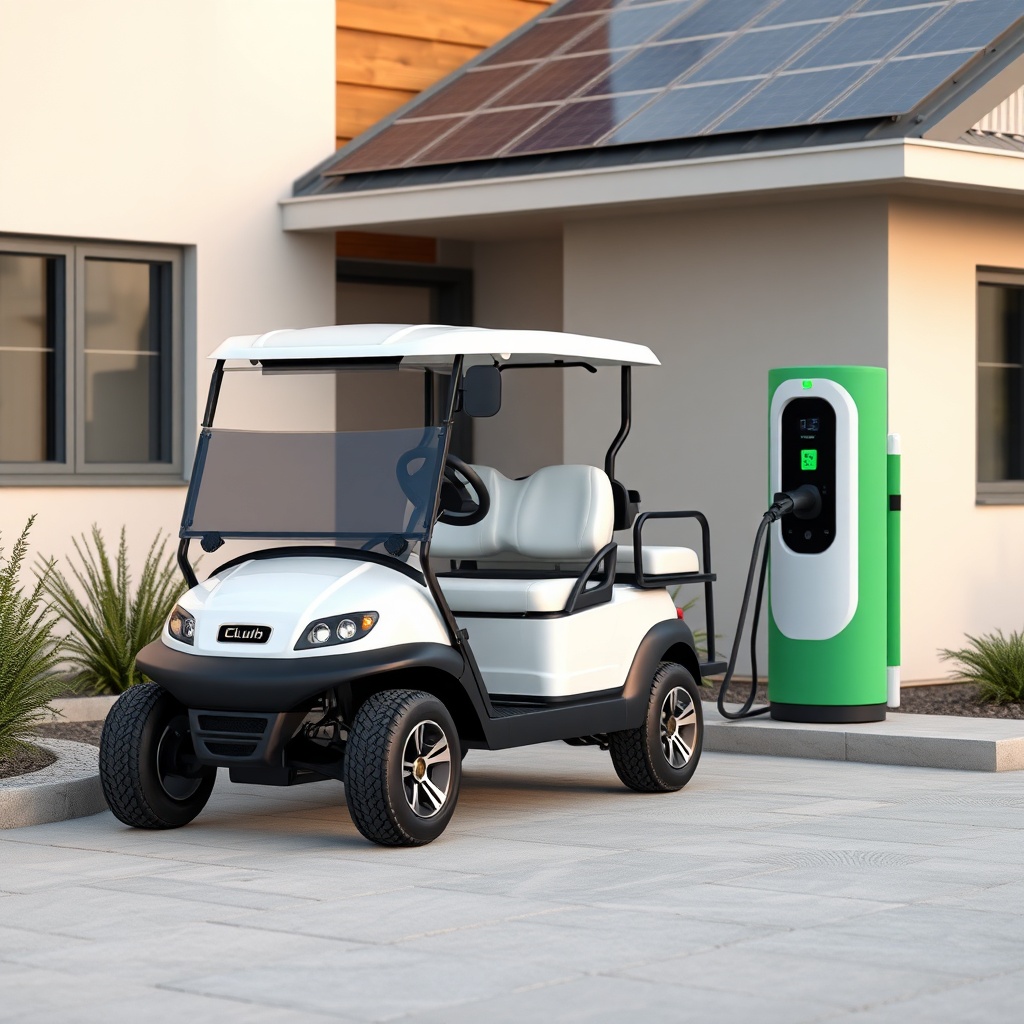
Range is a critical differentiator. A full tank of gas on the Club Car Onward HP (3.5 gallons) provides approximately 35 to 45 miles of driving, depending on load and terrain. Refueling takes only minutes at any gas station. The electric model, with a standard 48-volt battery system (8x 6-volt or 4x 12-volt), offers a range of 35 to 50 miles per full charge under ideal conditions. However, full recharge time ranges from 6 to 10 hours using a standard 110V outlet. For users who drive multiple rounds of golf or cover large properties daily, the gas model’s quick refueling is a major advantage. For users who can charge overnight, the electric model’s range is sufficient for most daily tasks. If you encounter battery performance problems, see Club Car Onward HP Troubleshooting: Common Battery Issues and Fixes.
What are the maintenance and noise differences?
Maintenance requirements diverge significantly. The gas model needs regular oil changes (every 100 hours), air filter replacements, spark plug checks, and fuel stabilizer treatments if stored. It also requires annual engine tune-ups. The electric model has far fewer moving parts—no oil, no belts, no exhaust system. The primary maintenance tasks are checking battery water levels (in lead-acid batteries) and keeping terminals clean. Noise levels also differ: the gas engine produces a distinct hum (around 60-70 decibels at cruising speed), while the electric motor is nearly silent (under 40 decibels). The quiet operation of the electric model is appreciated in noise-sensitive neighborhoods or early morning rounds. For specific winter care, read Club Car Onward HP Winterizing and Storage Tips.
Which model is more environmentally friendly?
The electric Onward HP is indisputably cleaner during operation, producing zero tailpipe emissions. This is a key consideration for communities with emission restrictions or for eco-conscious buyers. The gas model emits carbon dioxide, hydrocarbons, and nitrogen oxides, though modern EFI engines are cleaner than older carbureted versions. However, the overall environmental impact must account for electricity generation. In regions with coal-heavy grids, the electric model’s lifecycle emissions may approach those of efficient gas engines. Battery production also involves mining and manufacturing impacts. For owners who drive fewer than 1,500 miles per year, the environmental difference may be negligible. But for daily users, the electric model still has a lower carbon footprint in most scenarios.
What Owners Say
Real-world feedback from Onward HP owners reveals consistent themes. Gas model owners praise the unrestricted range and the ability to run the vehicle all day without worrying about battery charge. They highlight the engine’s reliability in cold weather (no battery drain) and the ease of refueling on long trips. Common complaints include the engine noise during quiet cruising and the annual maintenance schedule. Electric model owners love the silent operation and low daily costs. Many report that the instant torque makes the vehicle feel quicker off the line. However, they note that battery replacement costs can be substantial and that range anxiety can occur on longer journeys without access to charging. Both groups agree that the Onward HP chassis is robust and comfortable, with excellent ride quality from the independent front suspension. For customization ideas, check Club Car Onward HP Customization: Top 10 Upgrades for Style and Performance.
Frequently Asked Questions
Can I convert a gas Onward HP to electric?
Yes, conversion kits are available, but they are complex and expensive (typically $3,000 to $5,000 USD). The process involves removing the engine, adding a motor, controller, and batteries, plus rewiring. Most owners find it more economical to purchase the factory electric model.
How long do the batteries last in the electric Onward HP?
With proper maintenance, lead-acid batteries last 4 to 6 years, while lithium-ion options (available as upgrades) can last 8 to 10 years. Regular water checks and avoiding deep discharges extend lifespan.
Is the gas Onward HP legal on public roads?
It depends on local laws. Most gas-powered golf carts are classified as low-speed vehicles (LSVs) if equipped with headlights, turn signals, and seat belts. The Onward HP meets these requirements in many states, but always check your local DMV regulations.
Which holds its value better: gas or electric?
Historically, gas models retain slightly higher resale value due to their long-range capability and lower battery replacement costs. However, as electric infrastructure grows, residuals are converging. On average, gas models see 55-65% residual after 5 years, electric models 50-60%.
Can I upgrade the battery in an electric Onward HP for more range?
Yes, upgrading to a lithium-ion battery can increase range by 30-50% and reduce weight by 50-60%. This upgrade typically costs $1,500 to $2,500 USD, but it also shortens recharge time and extends overall battery life.
Does the gas model require premium fuel?
No, the EFI engine is designed to run on regular unleaded gasoline with an octane rating of 87 or higher. Using premium fuel offers no benefit and is not recommended by the manufacturer.