
Short and Direct Intro
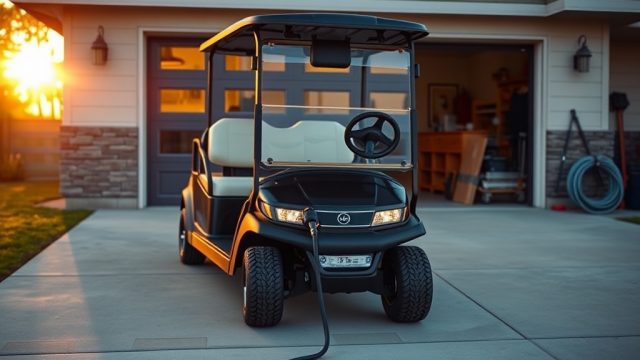
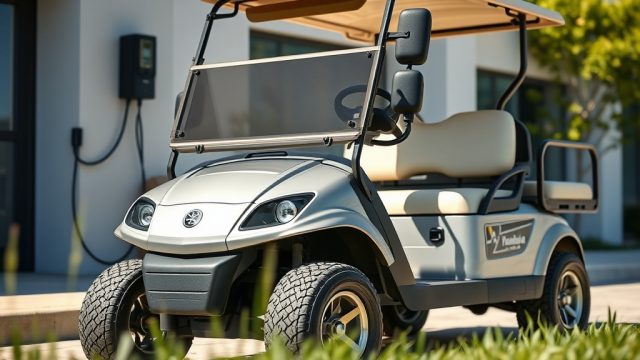
For Club Car Onward HP owners, battery longevity directly translates to more rounds and fewer unplanned pit stops. Whether you rely on your cart for daily course duty or leisurely neighborhood cruises, mastering the charging routine is the single most cost-effective way to keep your lithium or lead-acid pack performing at its peak. This guide distills the essential maintenance steps, common pitfalls, and owner-tested tips specific to the Onward HP platform.
How Often Should I Charge My Club Car Onward HP Battery?
The frequency depends on your battery chemistry. For the standard 48V lead-acid (flooded or AGM) pack, charge after every use—even a short 18-hole loop—to prevent sulfation. For the factory lithium-ion option, you can charge after every use or when the state of charge dips below 30%. Avoid letting either type sit for extended periods below 20% charge. A good rule for Onward HP owners: plug in when the dashboard meter shows two bars or less on lead-acid, or when the lithium battery management system (BMS) reports 30% or lower.
Always use the OEM Club Car ERIC (Energy Recovery Integrated Charger) or a compatible smart charger. The Onward HP’s controller communicates with the charger to optimize the charge curve. If you use a generic charger, you risk undercharging lead-acid batteries or triggering a fault in the lithium BMS. Aim for at least one full charge cycle per week even if the cart sits idle.
For storage over 30 days, maintain a 50-80% charge on lithium packs and a full charge on lead-acid (with distilled water topped off). A battery tender or maintainer is strongly advised for off-season storage.
What Is the Correct Charging Procedure for the Onward HP?
Follow this sequence to protect both the charger and battery pack:
- Step 1: Park the cart on level ground and turn the key switch to the OFF position. Never charge with the key on—this can confuse the controller and cause erratic charging.
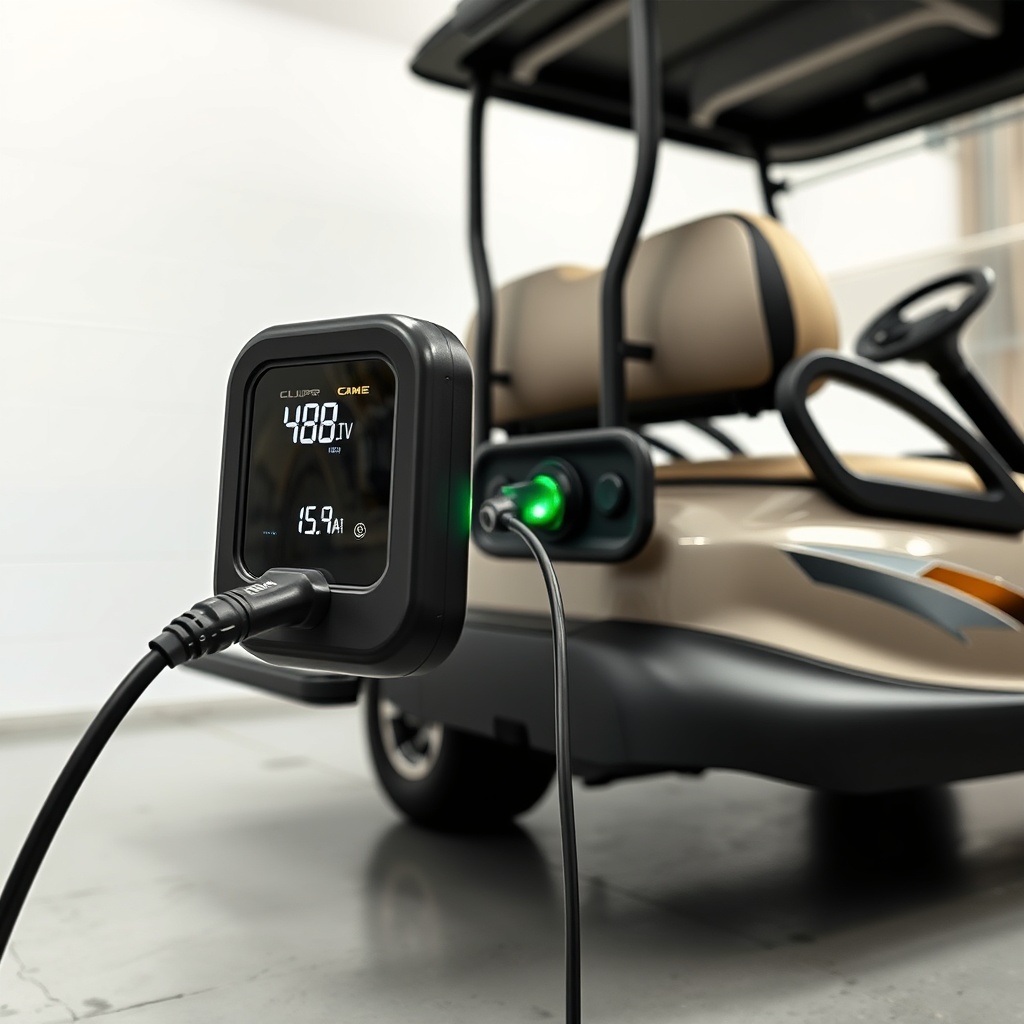
- Step 2: Connect the charger’s DC cord to the Onward HP’s receptacle. Ensure the connector is fully seated—you’ll hear a distinct click on Club Car’s proprietary round connector.
- Step 3: Plug the charger AC cord into a grounded 120V outlet. Use a dedicated circuit; avoid extension cords longer than 25 feet to prevent voltage drop.
- Step 4: Let the charger run its full cycle. For lead-acid, the ERIC charger will shut off automatically when the pack reaches 57-59V (depending on temperature). For lithium, the BMS will terminate charge at the manufacturer’s set point.
- Step 5: Unplug the AC cord first, then disconnect the DC cord from the cart. This prevents arcing at the receptacle.
The Onward HP’s charger does not have a manual override—trust the automation. If you need to stop early, use the AC plug disconnect, not the DC side.
| Symptom | Usually Not Urgent | Needs Attention Soon |
|---|---|---|
| Charger runs for more than 14 hours | Possible indicator of a weak cell; check pack voltage after a full cycle | Battery may be sulfated or one cell shorting—have capacity tested |
| Charge terminates before full pack voltage | Could be a warm battery—let it cool to room temp, retry | BMS fault on lithium or a dead cell on lead-acid; professional diagnosis needed |
| Battery hot to touch (over 50°C/122°F) | Normal after heavy use and fast charge; allow 1-2 hour cooldown | Persistent overheating suggests internal short or overcharging—stop use |
| Dashboard battery gauge drops rapidly after full charge | Temperature swing or high load (e.g., steep hills) can cause transient drop | Capacity loss from sulfation or aging—plan for replacement within 6 months |
Can I Use a Fast Charger or Aftermarket Charger With the Onward HP?
Club Car does not officially endorse third-party fast chargers for the Onward HP. The factory ERIC charger delivers a maximum of 15A at 48V, which is a safe “overnight” rate. Aftermarket “super chargers” pushing 25A or more can heat the pack excessively, especially on hot days. Lithium packs are more tolerant of higher C-rates than lead-acid, but the Onward HP’s BMS may still limit the charge current if it detects overheating.
If you must use an aftermarket charger, ensure it supports the Club Car’s proprietary communication protocol (the ERIC system uses a “handshake” over the DC line). A charger without this handshake may not start charging at all, or worse, it could run constant current without termination. Most Club Car dealers recommend sticking with OEM for this reason.
For top-up charges between rounds, a standard household 110V outlet with the OEM charger is perfectly fine. The Onward HP’s pack design can handle partial charging without memory issues, especially with lithium.
How Do I Clean and Inspect the Onward HP Battery Compartment?
Your Onward HP’s battery compartment is under the front seat. Open the seat and secure the gas strut. For lead-acid batteries, check the water level monthly—the electrolyte should cover the plates by about 1/4 inch. Use only distilled water; tap water introduces minerals that can cause internal shorting.
Clean the battery tops and terminals with a mixture of baking soda and water (1 tablespoon per liter) to neutralize any acid corrosion. Rinse with clean water and dry thoroughly. Apply a thin coat of petroleum jelly or anti-corrosion spray to the terminals after cleaning.
For lithium packs, the compartment should stay clean and dry—do not open the sealed battery case. Wipe down the exterior with a damp cloth. Inspect the main fuse holder (usually a 200A or 250A ANL fuse on the positive cable) for any signs of melting or corrosion. Tighten all cable connections to 5-7 Nm of torque—loose connections cause voltage drop and heat.
What Is the Ideal Temperature Range for Charging the Onward HP?
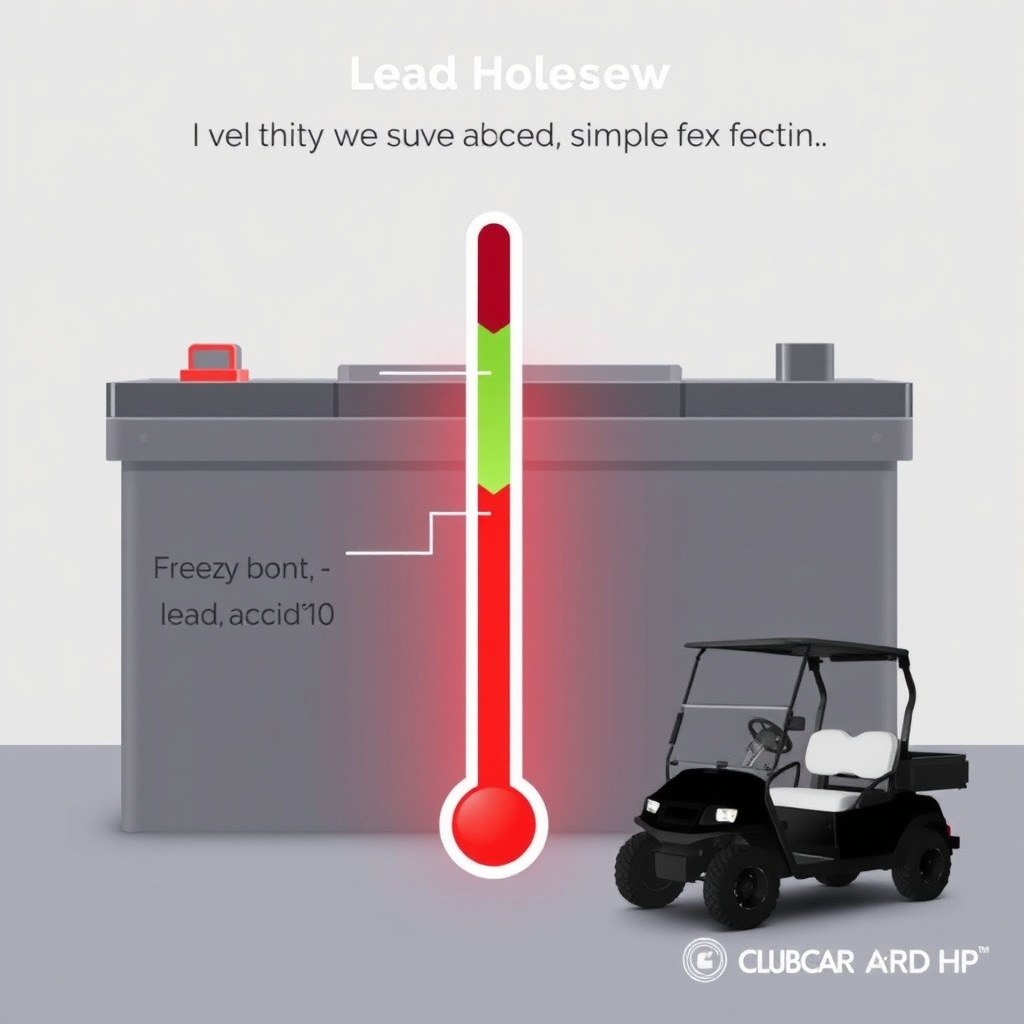
Lead-acid batteries perform best when charged between 10°C (50°F) and 30°C (86°F). Charging below freezing (0°C/32°F) can cause permanent damage—the electrolyte may freeze at low states of charge, and charging frozen batteries can cause gas buildup and case rupture. The Onward HP’s charger has a temperature compensation feature that adjusts voltage slightly based on ambient temp, but extreme cold still stresses the pack.
Lithium batteries are more forgiving: they can charge from 0°C to 45°C (32°F to 113°F). However, charging lithium below 0°C can plate lithium metal on the anode, a dangerous condition. The Onward HP’s BMS prohibits charging below 0°C, but you may notice a delay before charging begins if the pack is cold. Always allow the battery to warm up naturally before plugging in.
In summer heat (above 35°C/95°F), let the cart cool for 30 minutes after driving before charging. High starting temperatures combined with fast charging reduce overall cycle life, especially for lead-acid.
What Owners Say
Mark from Arizona: “I’ve had my Onward HP for 18 months. I was charging after every 9 holes on my lead-acid pack, but then read that partial cycles are fine—I switched to full charge only after full discharge or once a week. My pack voltage stayed stronger, and I don’t need distilled water as often. The battery gauge reads more consistently now.”
Linda from Florida: “My lithium Onward HP came with a 48V 15A charger. I accidentally bumped the plug while it was charging and heard a spark. The receptacle got hot to the touch for a month before I bought a new one. Now I always check that the connector clicks fully.”
Carlos from Texas: “I use my cart for hunting camp, so it sits for two months in winter. I put a Battery Tender Junior on the lead-acid pack—keeps it at 13.5V per battery. When I come back, it starts and drives like I used it yesterday. Money well spent.”
Frequently Asked Questions
- Q: How long does it take to fully charge a Club Car Onward HP battery?
For lead-acid (48V, 200Ah): about 6-10 hours from a 50% discharge, 12-14 hours from empty. For lithium (48V, 100Ah): roughly 4-6 hours from empty. - Q: Can I leave the Club Car Onward HP charger plugged in continuously?
Yes—the ERIC charger has a maintenance mode that floats the pack at 52-53V after full charge. This is safe for both lead-acid and lithium, though for lithium it’s best to unplug once fully charged if storing long-term. - Q: My Onward HP battery charger shows a red light—what does it mean?
A solid red light indicates a fault (e.g., reversed polarity, shorted cell, or internal charger error). Flashing red usually means a temperature or voltage out of range. Consult your owner’s manual or visit a Club Car dealer. - Q: What voltage should a fully charged Onward HP battery read?
For lead-acid: 50.9-51.3V at rest (20 min after charging). For lithium: 54.6-55.2V at rest. Higher readings may indicate overcharging; lower readings suggest sulfation or weak cells. - Q: Can I jump-start my Club Car Onward HP if the battery dies?
No—never jump-start a golf cart. The controller can be damaged by a sudden voltage surge. Instead, charge the pack with the OEM charger, or replace the battery if it cannot hold a charge. - Q: How often should I replace the water in my Onward HP lead-acid batteries?
Check monthly; you may need to add distilled water every 2-3 months under normal use. Overwatering (filling to the cap ring) can cause acid spillage—use a turkey baster or watering bottle for precision.